How to Travel Thailand
with a Peanut Allergy
Peanuts are in the wok oil, the garnish, and the sauce, often all three at once. Here's how to eat safely in Thailand without avoiding food entirely, and how a peanut allergy travel card in Thai closes the gap when English isn't enough.
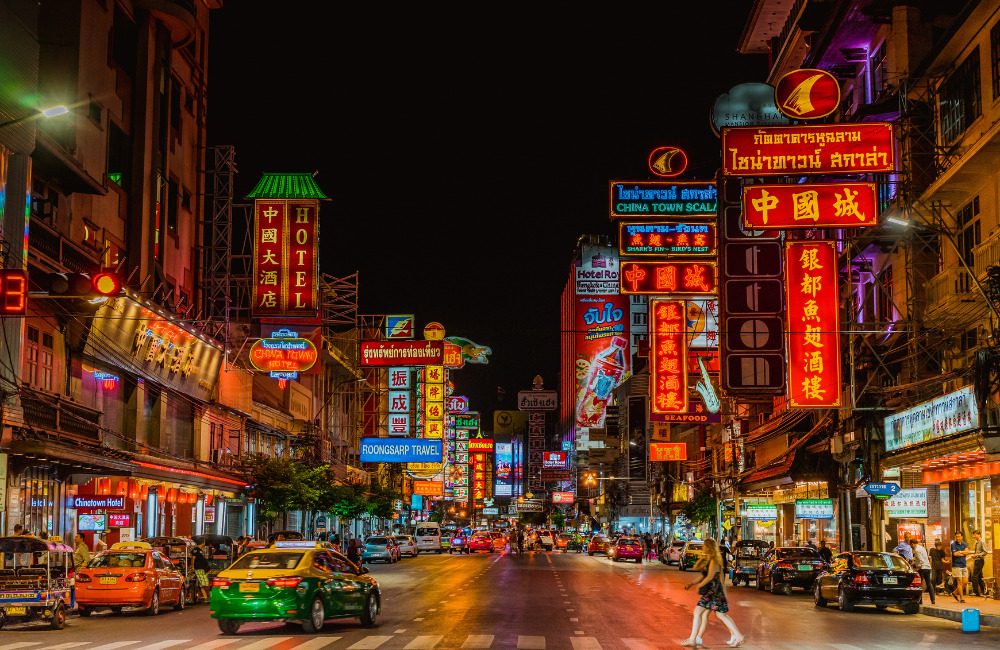
The problem isn't just the pad thai
Most travelers with peanut allergies know to watch out for pad thai (almost always has crushed peanuts on top) and satay sauce (peanut-based). Those are visible. The harder issue is that peanut oil is used as a standard cooking fat at street stalls and in many restaurant woks, and it won't show up anywhere on a menu.
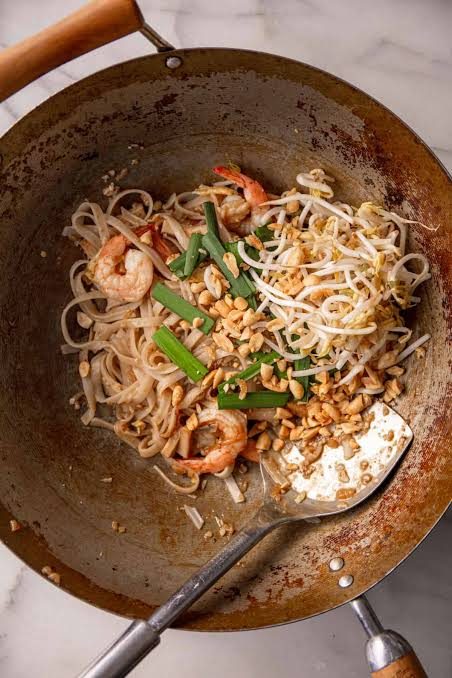
Whether peanut oil triggers a reaction depends on your specific allergy. Highly refined peanut oil typically has most of the protein removed, but cold-pressed or crude peanut oil retains protein and can cause reactions. At a Thai street stall, you have no way to know which type is being used. If your allergy is anaphylactic, this is the most significant structural risk in Thai food, separate from any visible peanuts in the dish.
The second issue is cross-contamination. A busy stall running one wok will go from a peanut pad thai to your order in under a minute, with the same wok, same spatula, same surface. For severe allergies, this matters even if your dish contains zero peanuts as an ingredient.
This guide covers preparation, dish risk, and communication. The section on the four forms peanuts take in Thai cooking covers oil, garnish, paste, and sauce separately. For how to navigate individual stalls and read risk in real time, see the street food guide.
Before you arrive: what to prepare
Preparation makes the difference between a stressful trip and a manageable one. The basics:
- Carry your epinephrine auto-injector on your person, not in checked luggage, not at the bottom of a daypack. Thailand's heat and humidity mean a slim, insulated EpiPen carrier is worth bringing. (A basic neoprene carrier keeps it accessible and adds some temperature protection.)
- Get a written Thai-language allergy card. English explanations at street stalls often get misunderstood. A card that states your allergy in Thai (specifying both whole peanuts and peanut oil) is the clearest communication tool available. AllergyPass generates these free, including specific Thai script for restaurant and street stall situations.
- Know the word in Thai. The key phrase: แพ้ถั่วลิสงอย่างรุนแรง (pae thua lisong yang run raeng), severely allergic to peanuts. For peanut oil specifically: ไม่ใส่น้ำมันถั่วลิสง (mai sai nam man thua lisong).
- Get travel insurance that covers medical evacuation. Thailand has excellent private hospitals in Bangkok, Chiang Mai, and major tourist areas, but they cost money, and a severe reaction requiring IV treatment or observation is not cheap without coverage.
- Pack backup food for unpredictable situations. Train journeys, long boat rides, remote areas, moments where your options shrink. Having a few peanut-free snacks from home eliminates the anxiety of being stuck without safe food.
Generate a free Thai-English peanut allergy card to show at any restaurant or stall
Build My CardHigh-risk dishes to know by name
These are the dishes most likely to contain peanuts, either as an ingredient, a garnish, or both. Treating them as high-risk by default is the right approach.
Dishes that tend to be lower risk
None of these are guaranteed safe, cooking oil, garnish habits, and cross-contamination vary by stall and region. But these are generally cleaner options to ask about first.
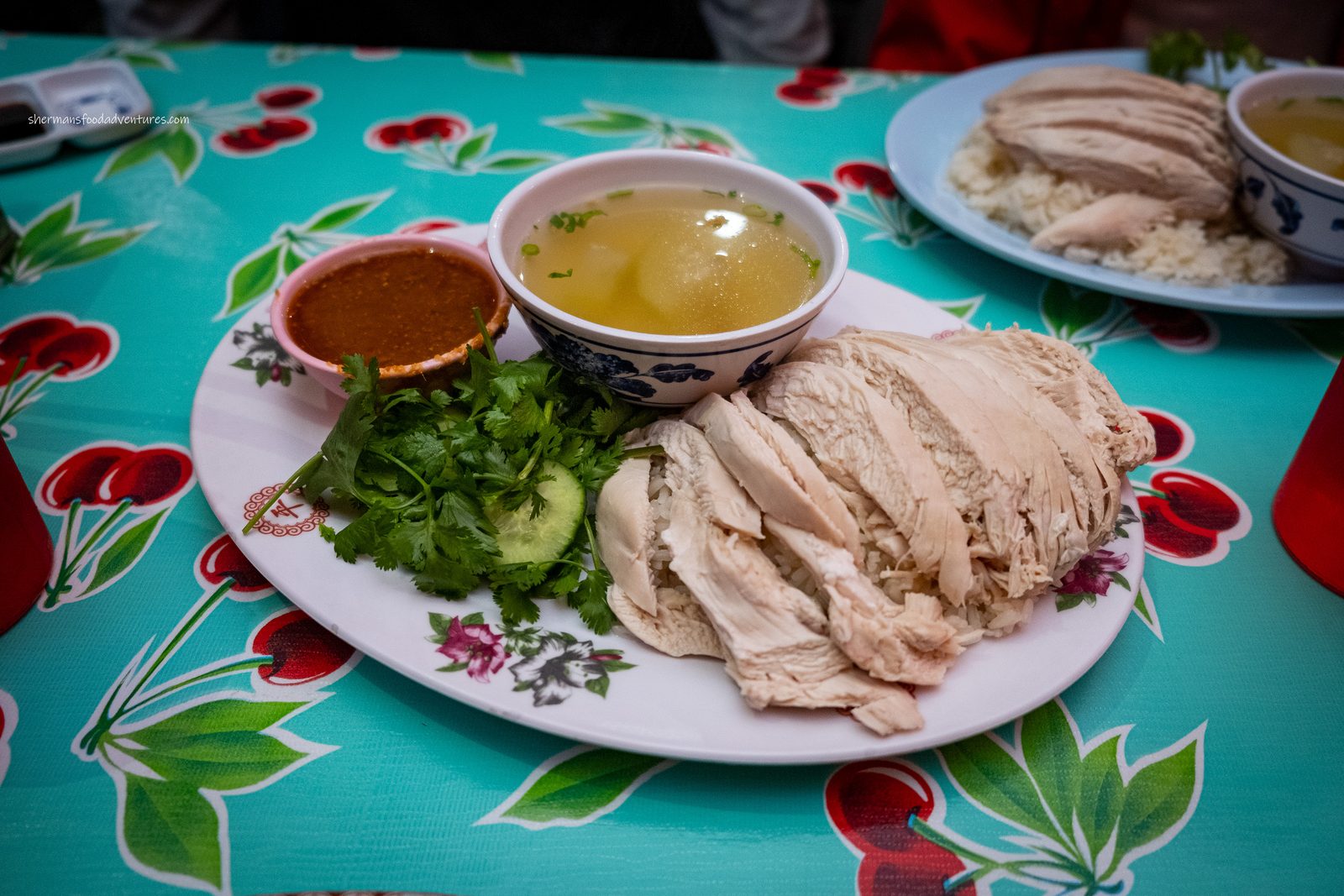
- Khao man gai, poached chicken with rice and ginger broth. No peanuts as an ingredient; be careful about the dipping sauces served alongside.
- Tom yum goong, prawn soup with lemongrass, galangal, lime leaves. No peanuts in the standard recipe; the risk is cooking oil and shared equipment at street stalls.
- Khao pad (fried rice), rice with egg, vegetables, protein. Peanuts aren't standard; the concern is cooking oil and cross-contamination.
- Grilled fish or meat on skewers, simple preparations with fewer ingredients and more visible cooking.
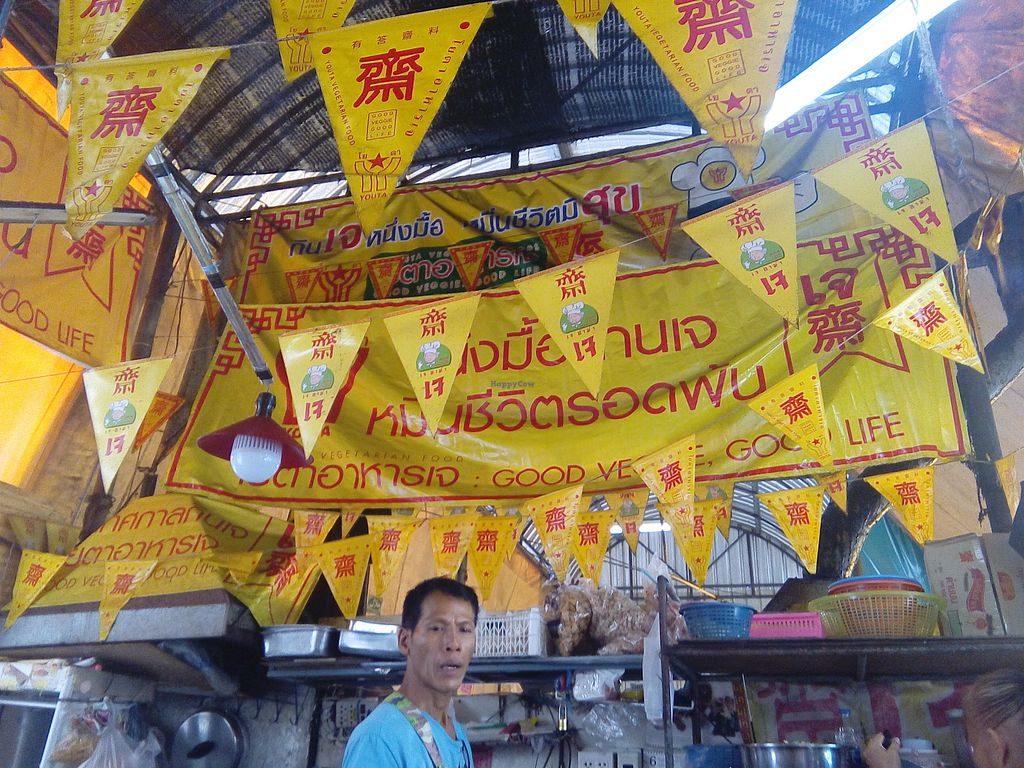
- Jay (เจ) food, Buddhist vegetarian food sold under a yellow flag. These stalls are more likely to use vegetable oil instead of peanut oil, and avoid many common allergens. Not peanut-free by definition, but worth asking at.
How to communicate at restaurants vs street stalls
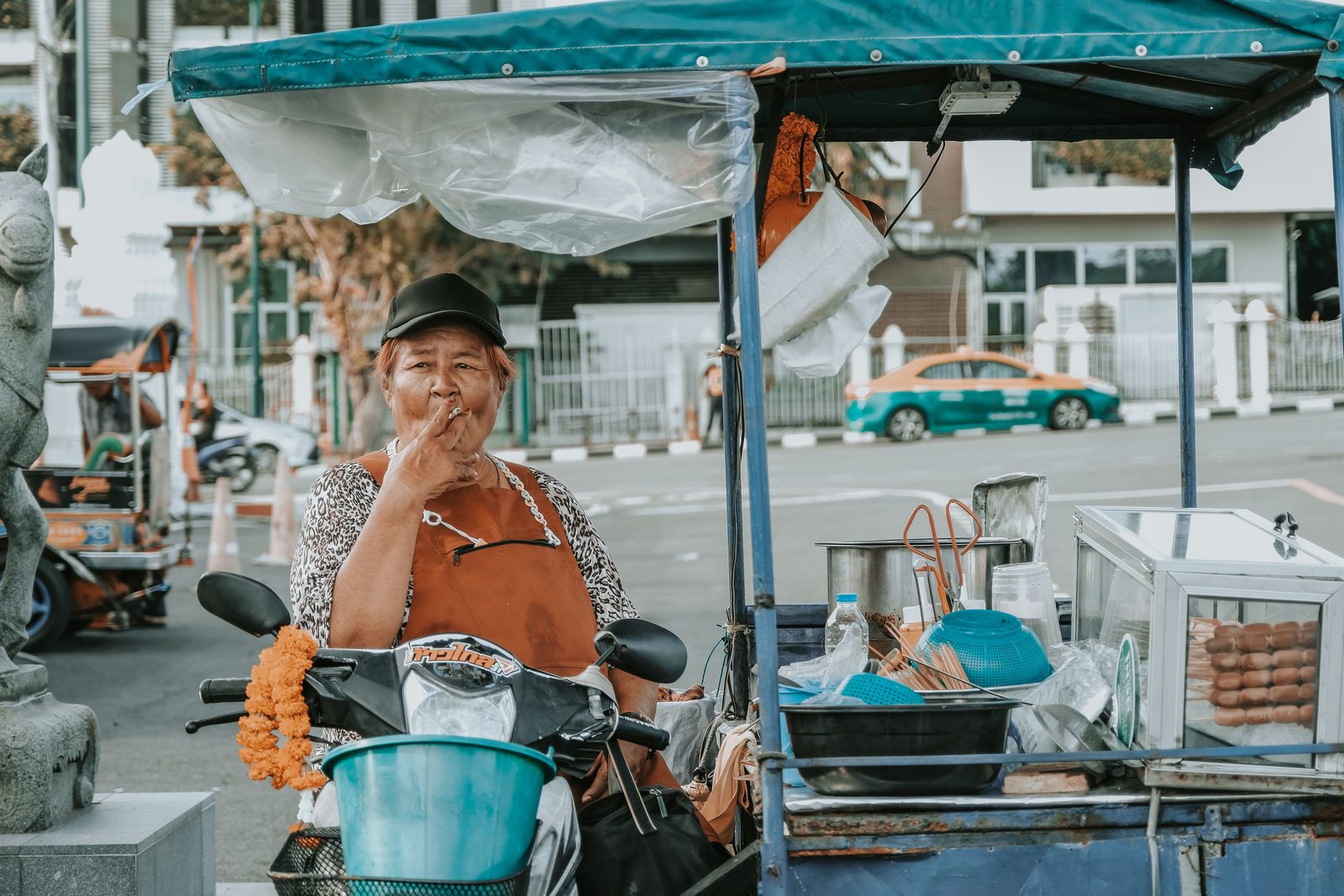
The approach needs to match the setting. A restaurant with a manager you can speak to is a different situation from a one-person street cart at peak hour.
At restaurants: Show your allergy card as soon as you sit down, before looking at the menu. Ask to speak with someone who knows the kitchen. Phrase requests specifically ("no peanuts and no peanut oil") not just "no peanuts." Ask whether the dish is cooked in the same wok as peanut dishes. A restaurant that takes the question seriously and responds with specifics (not just "yes, no problem") is a better bet.
At street stalls: Show the written Thai card. Watch how the vendor responds, including their tone and body language, not only their words. A vendor who reads it carefully and either confirms they don't use peanut oil, or says they're not sure, is more trustworthy than one who waves it away. If a stall has a single wok handling multiple dishes, cross-contamination is difficult to avoid regardless of what you order.
A note on "no problem": In Thai culture, maintaining harmony and not disappointing a guest is important. A vendor who says "no problem, no peanuts" may mean it, or may not want to lose your business. This isn't deception; it's a cultural context worth understanding. A written card in Thai specifying the severity ("severe allergy") tends to shift the response toward accuracy, because it removes ambiguity about what you're asking.
The four forms peanuts take in Thai cooking
Understanding each form makes it easier to know what to ask about. Requesting "no peanuts" addresses the garnish but not the oil, the paste, or the sauce. These four are distinct risks and need to be treated separately.
1. Peanut oil in the wok
This is the least visible and most structurally difficult to avoid. Peanut oil is a standard cooking fat at many Thai street stalls and wok-based restaurants. It has a high smoke point and it is cheap and widely available in Thailand. Vendors do not advertise it. It will not appear on any menu. At a busy stall with a single large oil container, swapping oils for one order is often impractical.
The allergy relevance depends on the oil type. Highly refined peanut oil has most peanut protein removed and is considered lower risk by some allergists. Cold-pressed or crude peanut oil retains protein and can cause reactions. At a street stall, you will not know which type is being used. If your allergy is anaphylactic, this uncertainty matters.
Thai to show: ไม่ใส่น้ำมันถั่วลิสง (mai sai nam man thua lisong, no peanut oil)
2. Crushed peanuts as a garnish
This is the most visible form and the one most travelers focus on. Crushed or coarsely ground peanuts are scattered on top of a finished dish as standard presentation. "No peanuts on top" is the easy request, it does not address the oil, the paste, or shared equipment. Vendors often hear "no peanuts" and remove the garnish while the dish is otherwise unchanged.
Dishes where this is standard: pad thai (almost always), some versions of khao soi, certain noodle soups, and some curry dishes in northern Thailand.
Thai to show: ไม่ใส่ถั่วลิสง (mai sai thua lisong, no peanuts)
3. Ground into curry paste or sauce
Some Thai dishes incorporate peanuts as a structural ingredient ground into the base. Massaman curry is the most significant example, traditional massaman paste often contains peanuts mixed in during cooking, making them impossible to remove from a finished dish.
Satay sauce is peanut-based by definition: a thick sauce made from ground peanuts, coconut milk, and spices. It appears as the dipping sauce for satay skewers and is sometimes used as a sauce for noodle dishes.
Thai to show: แพ้ถั่วลิสงอย่างรุนแรง (pae thua lisong yang run raeng, severely allergic to peanuts)
4. Whole or crushed peanuts mixed directly into the dish
Som tam (green papaya salad) is the main example. Peanuts are pounded directly into the salad in the mortar during preparation, not added on top after. They cannot be removed once the dish is made. The same mortar is used for multiple orders at a busy stall, so even a som tam prepared without peanuts may have peanut residue from the previous order.
Cross-contamination at street stalls
Even if a specific dish contains no peanuts as an ingredient, the cooking environment at a busy street stall introduces cross-contamination risk. One wok handles multiple dishes in rapid succession. The same spatula moves between orders. Peanuts from a previous order remain on the cooking surface.
This does not mean all street food is off-limits for travelers with peanut allergies. It means the stall matters as much as the dish. A stall that specializes in one or two simple dishes (grilled meat, mango sticky rice, fresh fruit) has a completely different risk profile than a multi-dish wok stall running pad thai alongside everything else.
For travelers with anaphylactic peanut allergies, the cross-contamination reality of busy multi-dish stalls is a genuine constraint. Being honest with yourself about this is more useful than trying to negotiate it dish by dish.
What to do if you have a reaction
Use your epinephrine auto-injector if you have one and experience anaphylactic symptoms (throat tightening, difficulty breathing, severe hives, drop in blood pressure). Call for help immediately, Thailand Emergency Services: dial 1669.
Major private hospitals with English-speaking staff: Bangkok Hospital (multiple locations), Bumrungrad International (Bangkok), Samitivej Hospital (Bangkok), Ram Hospital (Chiang Mai), Bangkok Hospital Phuket. These are expensive but capable. Get to a hospital even if initial symptoms seem mild, allergic reactions can worsen over 4–8 hours.
Keep your travel insurance documents accessible on your phone, not only your luggage.
Frequently asked questions
Can you travel Thailand with a severe peanut allergy?
Yes, but it requires active preparation. Peanuts appear as a cooking oil, garnish, and sauce ingredient across many dishes, and cross-contamination at street stalls is a genuine concern. Carrying your epinephrine auto-injector, using a written Thai-language allergy card, and choosing venues carefully makes the trip manageable for most travelers, including those with severe allergies.
Which Thai dishes are safe for people with peanut allergies?
Lower-risk options include khao man gai (without peanut dipping sauce), tom yum soup, plain jasmine rice, grilled meats without sauce, and fresh tropical fruit. Always confirm with staff that peanut oil was not used in cooking, and be aware that cross-contamination at busy stalls is difficult to control regardless of the dish ingredients.
How do you say peanut allergy in Thai?
The key phrase to show in writing: แพ้ถั่วลิสงอย่างรุนแรง (pae thua lisong yang run raeng), severely allergic to peanuts. For peanut oil specifically: ไม่ใส่น้ำมันถั่วลิสง (mai sai nam man thua lisong). A written card beats spoken requests at street stalls.
Is peanut oil used in Thai street food?
Yes, commonly, and it is the hardest form of peanut to control for. Highly refined peanut oil has most protein removed; cold-pressed or crude oil retains protein and can cause reactions. At a street stall you will not know which type is in use. The section above on peanut oil in the wok covers this in detail.
Do Thai restaurants understand peanut allergy?
Awareness varies significantly. Upscale hotels and tourist-facing restaurants in major cities are much more likely to understand the severity of a food allergy and have kitchen procedures to accommodate it. Busy street stalls and smaller local restaurants may not distinguish between "removing the garnish" and "changing the cooking oil." A written card in Thai that specifies the allergy is severe helps bridge this gap.