Where to Stay in Bangkok
with Food Allergies
The neighborhood you choose in Bangkok determines how easy your next two weeks are. Here is the breakdown by area: food access, hospital proximity, and what to actually look for in a hotel.
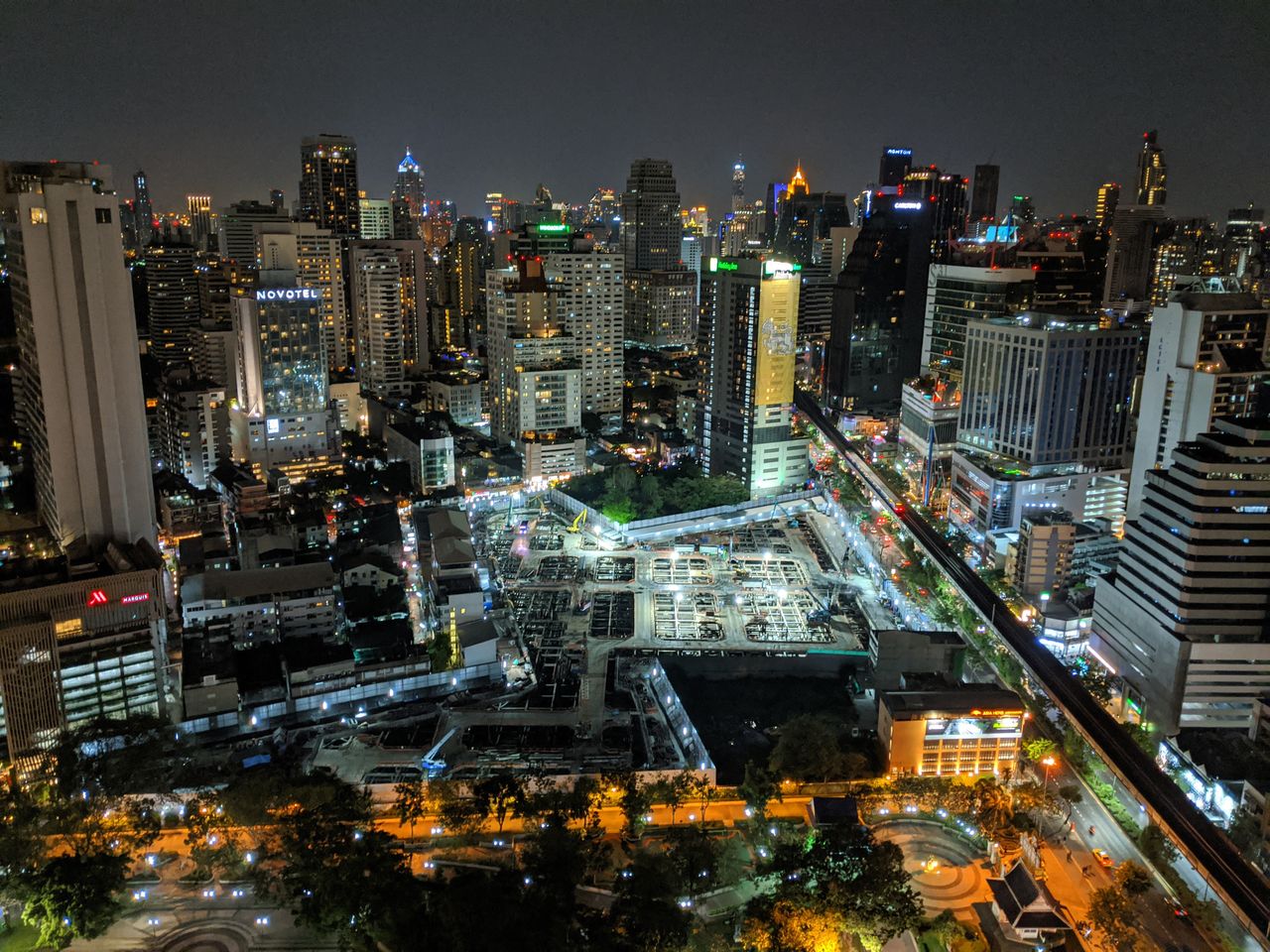
What actually matters for allergy travelers choosing a neighborhood
Standard travel advice focuses on price, vibe, and tourist attractions. For allergy travelers, the relevant variables are different. The three that matter most:
- Food access: Can you find restaurants with English menus and transparent ingredient communication within walking distance? Are there supermarkets with labeled imported products nearby?
- Hospital proximity: How far are you from an international hospital with 24-hour emergency care? In a severe reaction, time to a hospital is the medical variable you control with accommodation choice.
- Hotel kitchen capability: Does the hotel restaurant have English-speaking staff who can communicate with the kitchen about your allergens? Budget guesthouses often cannot.
Bangkok neighborhoods: allergy traveler breakdown
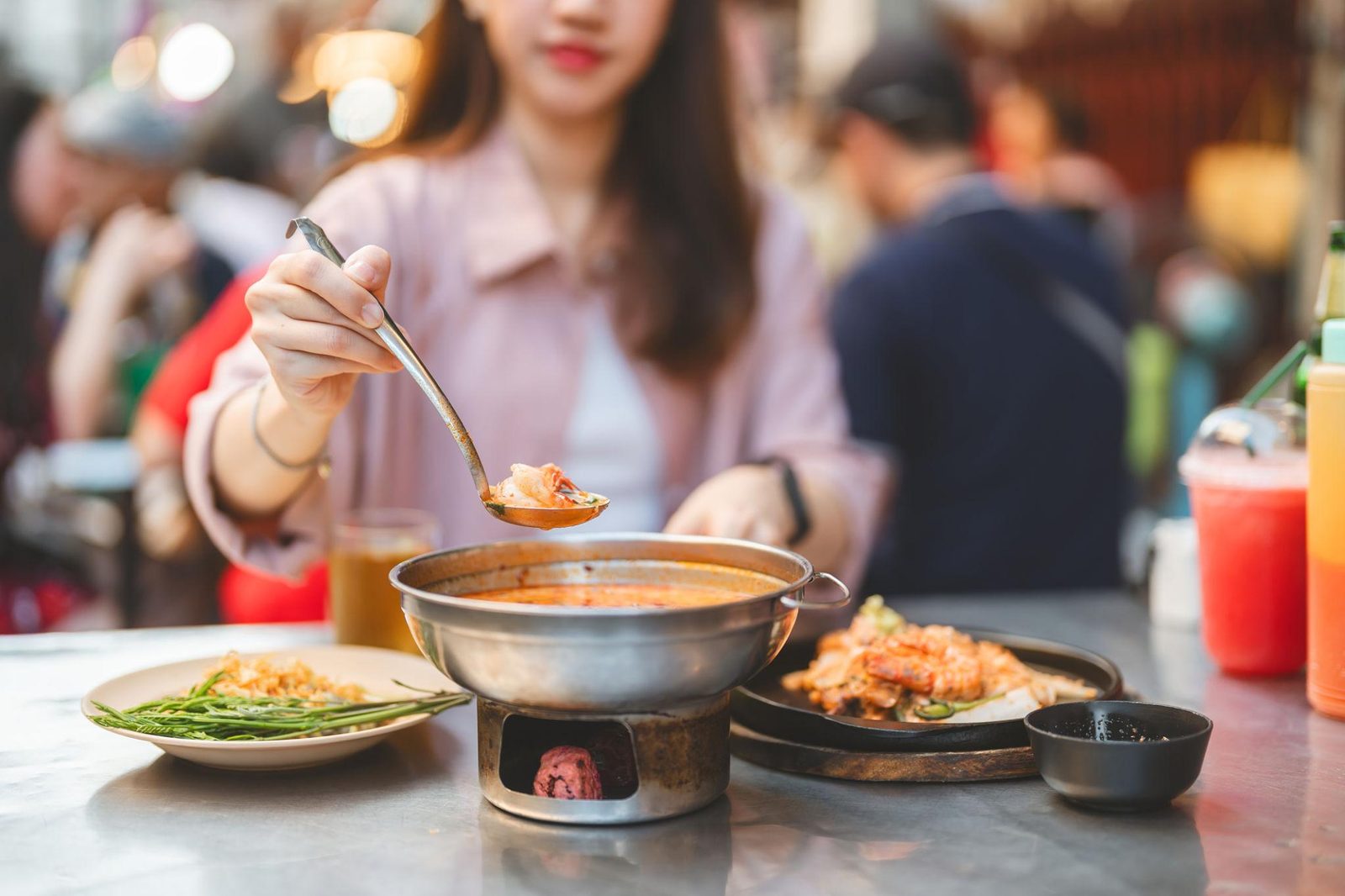
Sukhumvit (BTS Asok to Phrom Phong)
Bangkok's most international neighborhood and the clearest choice for allergy travelers. Terminal 21 and EmQuartier malls house dozens of international restaurants with English menus and allergy-aware kitchen practices. Villa Market and Gourmet Market, Bangkok's two best international supermarkets for labeled imported products, have branches in this area. Bumrungrad International Hospital is on Sukhumvit Soi 3, 10 minutes from Asok by taxi.
The concentration of 4-star and 5-star international hotels here is the highest in Bangkok. At this hotel tier, restaurant staff are practiced at dietary accommodations and kitchen communication is more reliable.
Silom / Sathorn
Bangkok's business district, south of the river. Strong international hotel presence at the 4-star level, and a solid selection of international restaurants along Silom Road and around Sala Daeng BTS. Patpong Night Market adds street food variety, but the allergy communication challenges of street food apply here as elsewhere in Bangkok.
Hospital proximity: Bangkok Christian Hospital on Silom handles international patients. For severe reactions, Bangkok Hospital on New Phetchaburi (20 min by taxi) or Bumrungrad (15 min) are the preferred international-standard facilities. The BTS Silom line makes reaching Bumrungrad from this area straightforward.
Siam / Ratchathewi
Bangkok's central shopping area. Siam Paragon, Central World, and MBK Center each contain food courts and restaurants with varying levels of allergy accommodation. The mall food courts at Siam Paragon (Gourmet Market in the basement) have better labeling than street food areas. Hotel options in this area skew toward large international chains.
Hospital proximity is reasonable: 15 to 20 minutes by BTS or taxi to both Bumrungrad (via Sukhumvit line) and Bangkok Hospital. The BTS interchange at Siam is central for reaching any part of the city quickly.
Riverside / Charoen Krung
Beautiful area with iconic hotels (Mandarin Oriental, Capella Bangkok, Peninsula). At this hotel tier, in-hotel dining is reliably allergy-accommodating. The challenge is the distance from BTS and the concentration of local Thai restaurants in the neighborhood, excellent food, but higher allergy communication difficulty than the international strips of Sukhumvit or Silom.
Hospital proximity: approximately 30 minutes to Bumrungrad without traffic; Bangkok Christian Hospital on Silom is closer. The Chao Phraya ferry adds transit flexibility but slows hospital access compared to taxi in an emergency.
Khao San Road / Banglamphu
The cheapest accommodation area in Bangkok. Hostel and budget guesthouse concentration is high. Food options are predominantly local Thai street food and tourist-oriented Thai restaurants. Allergy communication at this price point is more variable: budget kitchens are less likely to have staff with English proficiency or allergy training, and cross-contamination in shared cooking spaces is a real consideration.
Hospital proximity: 20 to 30 minutes by taxi to Bumrungrad or Bangkok Hospital. No BTS access from this area.
Supermarkets and packaged food in Bangkok

Villa Market and Gourmet Market carry the most reliable English ingredient labeling in the city. Villa Market has branches on Sukhumvit Soi 33 and in Thonglor. Gourmet Market sits in the basement of Siam Paragon and inside EmQuartier. Both stock imported products where the label tells you what is actually in the package, which matters more here than in most Southeast Asian capitals.
Tops and Foodland cover more neighborhoods but carry fewer imported items, so their labeling leans Thai-only outside the fresh produce section. For a severe allergy, the extra ten minutes to reach a Villa Market or Gourmet Market is worth it over a closer Tops.
7-Eleven and Family Mart are on nearly every block, but treat them as a source for water and snacks you already recognize, not for trying something new. Their packaged food rarely carries English allergen labeling.
International hospitals in Bangkok
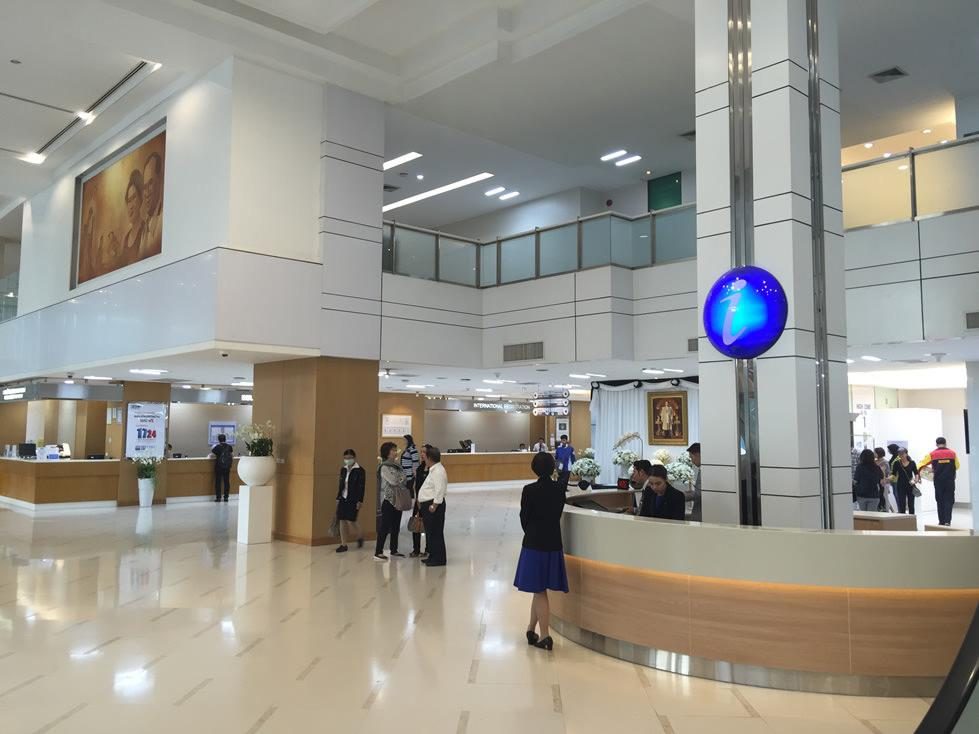
Sukhumvit Soi 3. Thailand's leading hospital for allergy and immunology treatment, 24-hour emergency care, and English-speaking staff throughout. Handles the highest volume of foreign patients in the city.
Emergency: +66 2 667 1000
New Phetchaburi Road. One of Thailand's largest private hospital networks, with strong emergency infrastructure. A reliable second option when Bumrungrad is not accessible.
Emergency: +66 2 310 3000
Sukhumvit 49. English-speaking staff throughout, a well-equipped emergency department, and direct acceptance of most international insurance.
Emergency: +66 2 022 2222
Confirm your travel insurance covers anaphylaxis treatment and emergency evacuation before you land. Bangkok's private hospitals bill upfront, and international insurance desks at all three above can process direct billing if your policy supports it.
What to ask your Bangkok hotel before you book
Email these questions before you arrive
- Can your restaurant kitchen accommodate a [specific allergen] allergy and confirm no cross-contamination?
- Can breakfast buffet staff identify dishes prepared without fish sauce, shrimp paste, or peanut oil?
- Does the room have a kettle and minibar refrigeration for storing safe food?
- Is there a Villa Market, Gourmet Market, or other international supermarket within walking distance?
- What is the nearest private hospital with 24-hour emergency services, and how far is it by taxi?
- Do front desk or concierge staff speak enough English to assist in a medical situation?
Thai breakfast and street dishes hide fish sauce, shrimp paste, and peanut oil in places you would not expect. Check common Thai dishes for hidden allergens in the Allergy Risk Checker before you arrive.
Frequently asked questions
What is the best area to stay in Bangkok for food allergy travelers?
Sukhumvit (particularly lower Sukhumvit, BTS Asok to Phrom Phong) is the most practical area for food allergy travelers. It has the highest density of international restaurants with English menus, proximity to Bumrungrad International Hospital, access to international supermarkets with labeled products, and a strong concentration of international hotels with staff experienced in dietary needs.
Do Bangkok hotels accommodate food allergies?
International chain hotels in Bangkok generally accommodate food allergies well, particularly at the 4-star level and above. Most hotel restaurants will modify dishes on request and communicate with kitchen staff about your allergens. Budget guesthouses vary significantly. Contact the hotel directly before arrival to confirm their kitchen can handle your specific allergy, rather than assuming at check-in.
Which Bangkok hospital handles severe allergic reactions?
Bumrungrad International Hospital in Sukhumvit is Bangkok's most internationally recognized hospital for allergy treatment and emergency care, with 24-hour service, English-speaking staff, and allergy and immunology specialists. Bangkok Hospital and Samitivej Sukhumvit Hospital are also strong options. All three accept international insurance and treat foreign patients regularly.