 AllergyPass
Goa Food Allergy Guide:
Cashews, Seafood & Questions
Goan dishes and drinks may involve cashews, coconut, seafood, wheat, egg, or dairy. This guide focuses on the questions to ask at beach shacks and other kitchens, plus practical emergency planning before you travel.
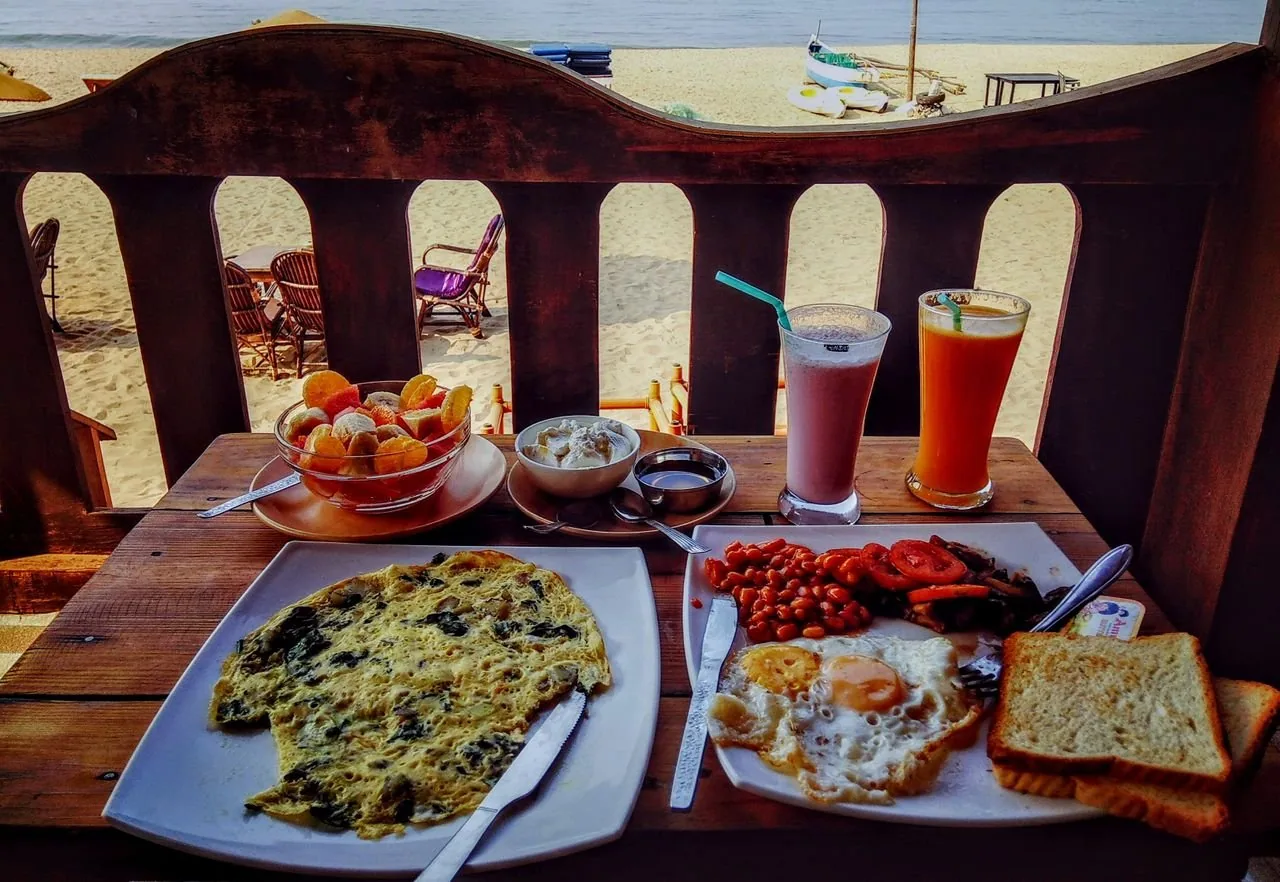 Goa, India
Prepare a written allergy card before your first meal in Goa.
Build My Goa Allergy CardThe Goa allergen problem in plain terms
Goan food combines coastal Konkan traditions with Portuguese influence, and recipes can vary between homes, restaurants, and beach shacks. Cashew may appear in dishes or in feni, coconut may be used in curry bases and pastes, and seafood is common in coastal cooking. Wheat-based bread, egg, and dairy also appear in breads, pastries, and desserts. Ask about the complete recipe rather than assuming a dish name tells you everything.
Portuguese-influenced dishes such as sorpotel, chorizo, and vindaloo are part of Goa’s food culture, but a dish name still does not identify every sauce, marinade, bread, or shared cooking surface. If you avoid pork or any other ingredient for medical, religious, or personal reasons, state that separately when ordering.
Goa's core hidden allergens
- Cashew: ask about curry pastes, desserts, garnishes, and drinks such as feni
- Coconut: check curry bases, masalas, chutneys, and desserts
- Fish and shellfish: ask about the named seafood, stock, paste, and shared grills or fryers
- Wheat, egg, and dairy: check poi, pastries, bebinca, sauces, and any bread or batter served with the dish
Goan dishes: questions to ask
| Dish | Questions to ask | Why the question matters |
|---|---|---|
| Fish curry rice | Is there fish, shellfish, seafood stock, paste, or coconut? Are utensils shared? | The curry base and equipment may contain more than the named seafood |
| Xacuti | Does the paste contain coconut, cashew, or another nut? What is in the masala? | The nut or coconut may be blended into the paste rather than visible on the plate |
| Prawn balchão | Is the base made with prawns or another shellfish? Is the same spoon or container used for other dishes? | A pickle-like preparation can be mistaken for a general condiment |
| Sorpotel / vindaloo | What meat is used? What is in the marinade, sauce, and accompanying bread? | Dish names and regional versions do not identify the full recipe |
| Bebinca | Are egg, dairy, or coconut used? Is it prepared with shared bakery equipment? | The finished layered dessert does not reveal every ingredient or contact surface |
| Feni (cashew liquor) | Is the drink made from cashew or another nut? What else is in the glass or mixer? | A drink can contain an allergen even when no food is being ordered |
| Poi bread / Goan pastries | What flour is used? Are there egg, dairy, fillings, or shared bakery surfaces? | Bread and pastry recipes vary, and the filling or equipment may add another allergen |
Beach shacks and cross-contact
Beach shacks may prepare seafood, meat, and vegetable dishes in a compact kitchen. Ask whether the grill, fryer oil, pans, knives, utensils, and serving surfaces are shared, and whether the staff can explain the preparation of the dish you want. A chicken or vegetable dish is not automatically free from seafood contact. If the answer is unclear, skip the dish or choose a different venue rather than relying on a general promise.
Your Goa allergy card
A written English-Hindi allergy card can help you state the exact ingredients you need to avoid and ask the same questions at each stop. It is a communication aid, not proof that a server understands the kitchen or that shared equipment is free from cross-contact. Name the allergens that apply to you rather than relying on a broad “seafood allergy” message.
AllergyPass builds multilingual allergy cards formatted specifically for restaurant and beach shack use. Generate yours before you land, print a copy, and save a digital version on your phone home screen.
Planning emergency care in Goa
Your accommodation affects which emergency department is practical to reach. Before travel, use your accommodation’s current location to identify an appropriate facility and recheck the route, phone details, and access arrangements. For a severe reaction, follow your prescribed action plan, use emergency medication as directed, seek urgent care, and call India’s official emergency number, 112.
These are planning starting points, not a ranking or guarantee of current services. Confirm emergency access, location, phone details, and availability before relying on any facility.
Dona Paula, Panaji. A possible planning point for travelers staying nearer Panaji. Confirm current emergency-department access and contact details before relying on it.
Contact: +91 832 663 2500
Margao, South Goa. A possible planning point for travelers staying nearby. Confirm current emergency-department access and contact details before relying on it.
Contact: +91 832 272 8888
Confirm your travel insurance covers emergency treatment for an allergic reaction, and ask the insurer how to contact its assistance service. Do not delay urgent care while trying to settle payment or authorization questions.
Travel insurance for Goa
Look for wording that addresses emergency treatment for allergic reactions, not only general travel mishaps. Confirm the current medical, pre-existing-condition, evacuation, and eligibility terms in writing before purchase.
SafetyWing Nomad Insurance is one policy to compare, but its documentation does not name food allergies or anaphylaxis. Review the pre-existing-condition and evacuation terms and get written clarification before buying.
Read the full guide to travel insurance for food allergies →
Pre-trip checklist
Before you land in Goa
- Build your allergy card, naming cashews, coconut, fish, and shellfish specifically if any apply to you
- Carry your prescribed emergency medication and keep it accessible
- Confirm your travel insurance covers emergency treatment for an allergic reaction
- Save 112 and recheck the nearest appropriate emergency department from your accommodation
- Ask beach shacks about shared grills, fryer oil, pans, utensils, sauces, and serving surfaces