 AllergyPass
Your Food Allergy Translation Card,
in All Languages
Build a destination-specific card whenever you travel, with your allergens in English and the local language. All Languages is one permanent purchase, and languages added later are included.

One purchase · 40+ languages
Build every trip with All Languages
Create a destination-specific card whenever you travel. Newly added languages are included automatically, with no renewal or per-language repurchase.
- Your allergens in English and the destination language, side by side
- Phone image and printable PDF delivered digitally
- Apple and Google Wallet passes for cards with up to three allergens
- Permanent access to newly added languages
$29.99 one-time All Languages · no subscription · instant digital access · no shipping charge
Get All LanguagesConfigure your first card in the builder, then continue to secure checkout. 14-day refund policy.
In this guide
Why spoken requests aren't enough
You researched the cuisine, learned a few phrases, and told the server about your allergy. They nodded, smiled, and brought your food.
That response still does not prove that the kitchen understood your request or prevented allergen contact.
Restaurant staff may be trying to help, but a short verbal exchange can leave important details unstated. A request to “leave out peanuts,” for example, may not cover peanut oil, sauce, shared cookware, or a derivative ingredient.
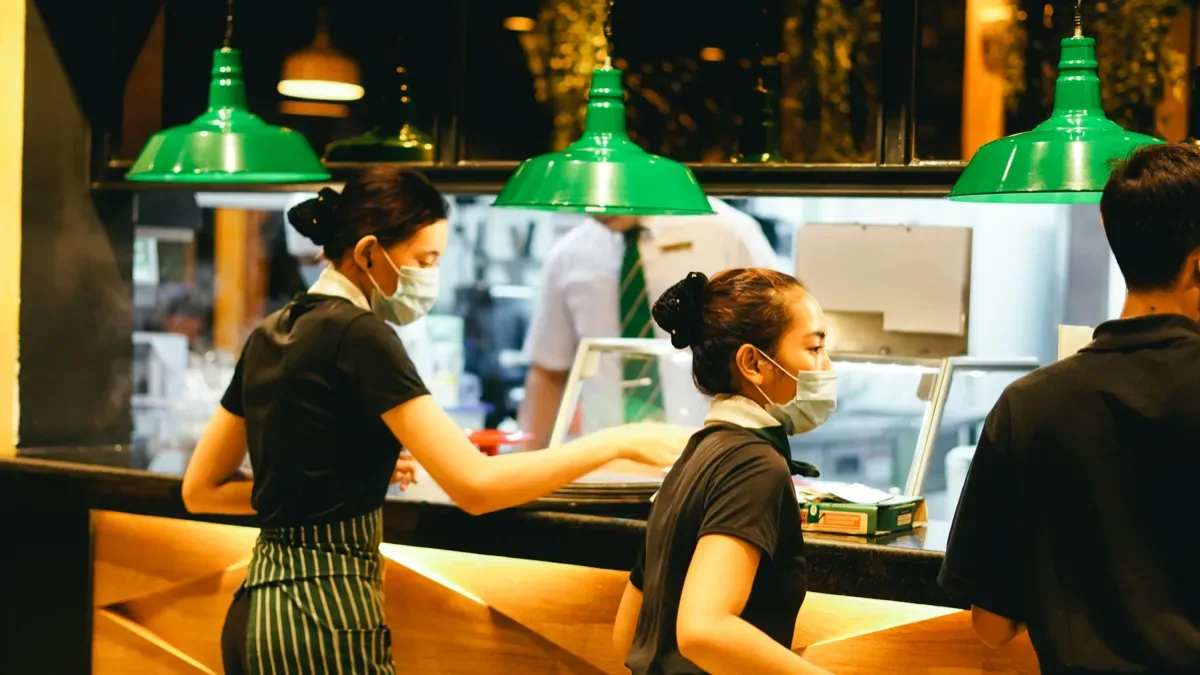
The weak point is the handoff between you, the server, and the kitchen. A request can be simplified or misunderstood at each step:
- You explain your allergy in English
- The server translates it internally, imperfectly
- The server relays it to the kitchen, possibly incorrectly
- The kitchen interprets the request based on their familiarity with Western allergy concerns
- The dish arrives with a hidden ingredient neither party discussed
A written card can preserve the details when it reaches the person preparing the food. It does not remove every handoff, and it does not replace asking whether the kitchen can actually avoid your allergen.
What a food allergy translation card actually is
A food allergy translation card is a physical or digital written explanation of the ingredients you must avoid, the forms those ingredients can take, and the preparation precautions that matter to you. It should be shown to the server and, when possible, the chef or person preparing the food.
The best cards include:
- Allergen names in wording and script the intended reader can understand
- Derivative ingredient names (peanut oil, fish sauce, shrimp paste, soy sauce)
- A statement explaining whether cross-contact can trigger a reaction
- A clear severity statement based on your medical advice
- A request to verify with the kitchen before preparing the meal
- An emergency phrase in the local language, kept separate from the ordering request
The card does not replace prescribed emergency medication, an allergy action plan, or your decision about whether to eat. It is one communication tool in that preparation.
When translation cards make the biggest difference
Allergy cards are useful in more places than sit-down restaurants. In each setting, they improve the handoff—but the person receiving the card still needs to understand it and be able to answer questions.
Street Food Markets
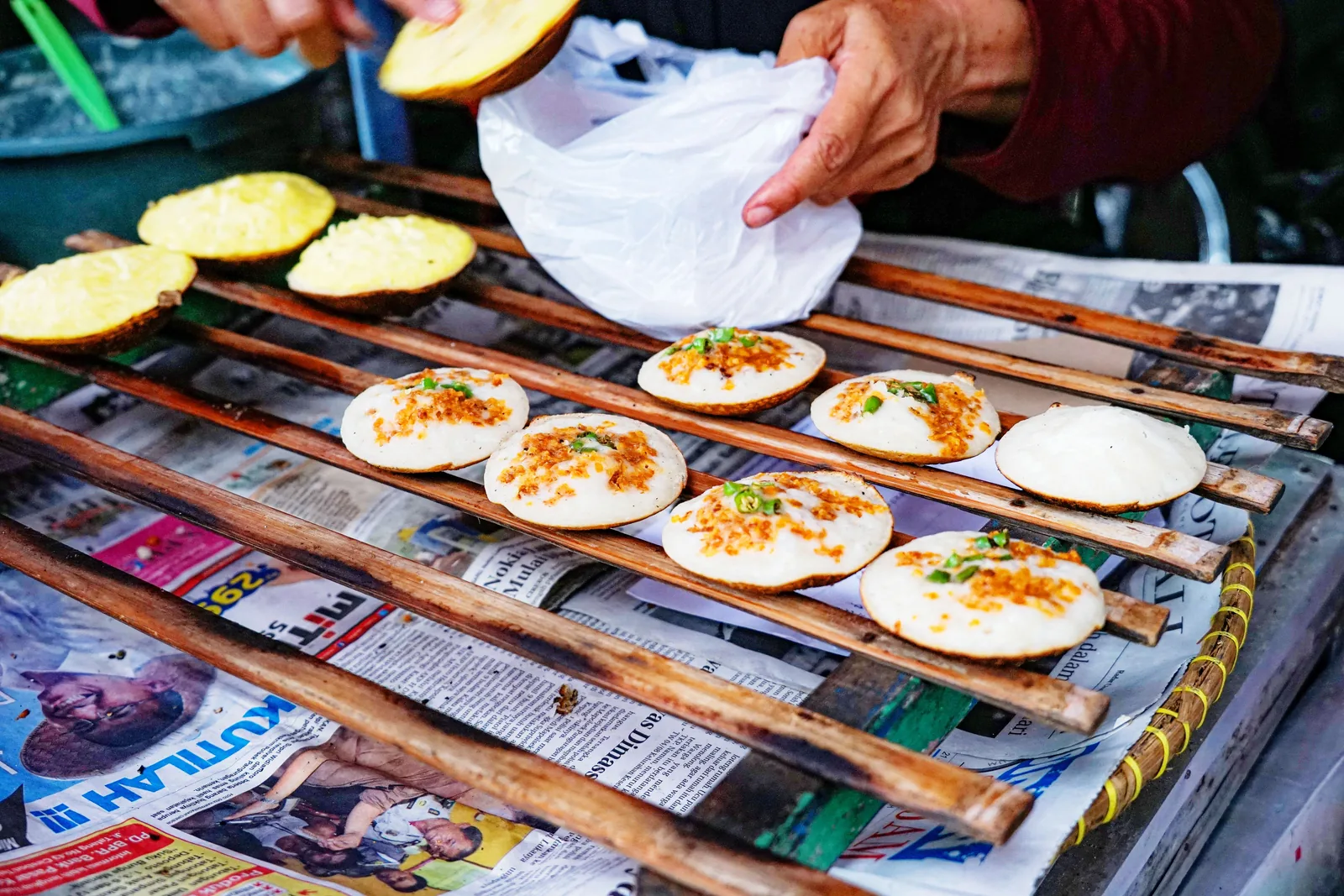
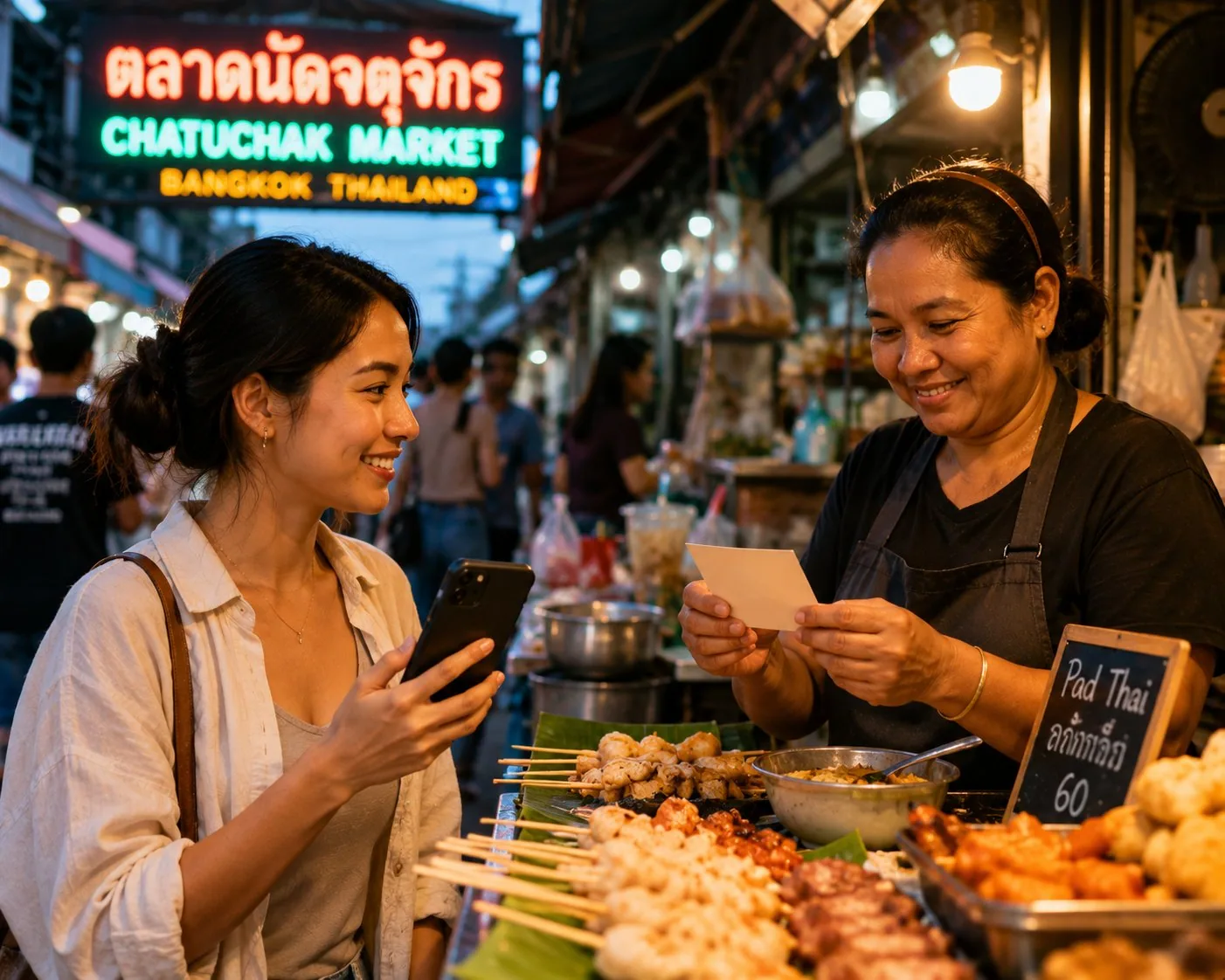
Vendors work fast and may not share your language. A card gives them a chance to read the full request, but a fixed sauce or shared cookware may still make the answer no.
Local Restaurants Without English Menus
When the server's English is limited, ask for the card to be shown to the person preparing the food. The card helps preserve the details through the handoff.
Hotel Dining and Room Service
The person taking your order and the person preparing it may be different. Attach the card to the order or show it directly to kitchen staff, then confirm that the request was understood.
Cooking Classes and Group Tours
Pre-prepped ingredients may already contain your allergen. Give the card to the instructor before the class starts and ask whether ingredients and equipment can be kept separate.
Airports and Transit Hubs
Airports are loud and rushed. A printed card can make the request easier to show, but packaged labels, shared counters, and limited preparation space still need checking.
Visiting Someone's Home
A card can start the conversation with a host, but it should not be the only check. Ask what ingredients and utensils will be used, and offer to bring food you can verify.
Why Google Translate is not a replacement

Google Translate can be useful for asking a follow-up question or checking a menu, but a machine-generated sentence may be awkward, incomplete, or missing the derivative ingredients that matter in a particular cuisine. Treat it as a backup, not as proof that a kitchen understands or can prevent cross-contact.
The core issue with on-the-spot translation is verification. You may not know whether the output is natural in the destination language or whether it names the ingredients used in that cuisine. If you use a translation app, have the wording checked before relying on it for a serious allergy.
There is also a practical issue. In a busy restaurant, opening an app and typing a restriction takes time. A saved image or printed card is quicker to show, especially when the phone has no signal or the battery is low.
Build a destination-specific allergy card now, then use All Languages for every future trip.
Get All LanguagesWhat to put on your card
The specifics depend on your allergies, medical advice, and destination. These five elements give the kitchen enough context to decide whether it can accommodate you.
1. Allergen names in native script: not romanized text
Use the language and script the intended reader is likely to understand, with English as a backup if useful. Romanization can help you pronounce a phrase, but it is not a substitute for wording that a server or cook can read. If possible, have the card reviewed by a fluent speaker familiar with local food terms.
2. Derivative ingredient names
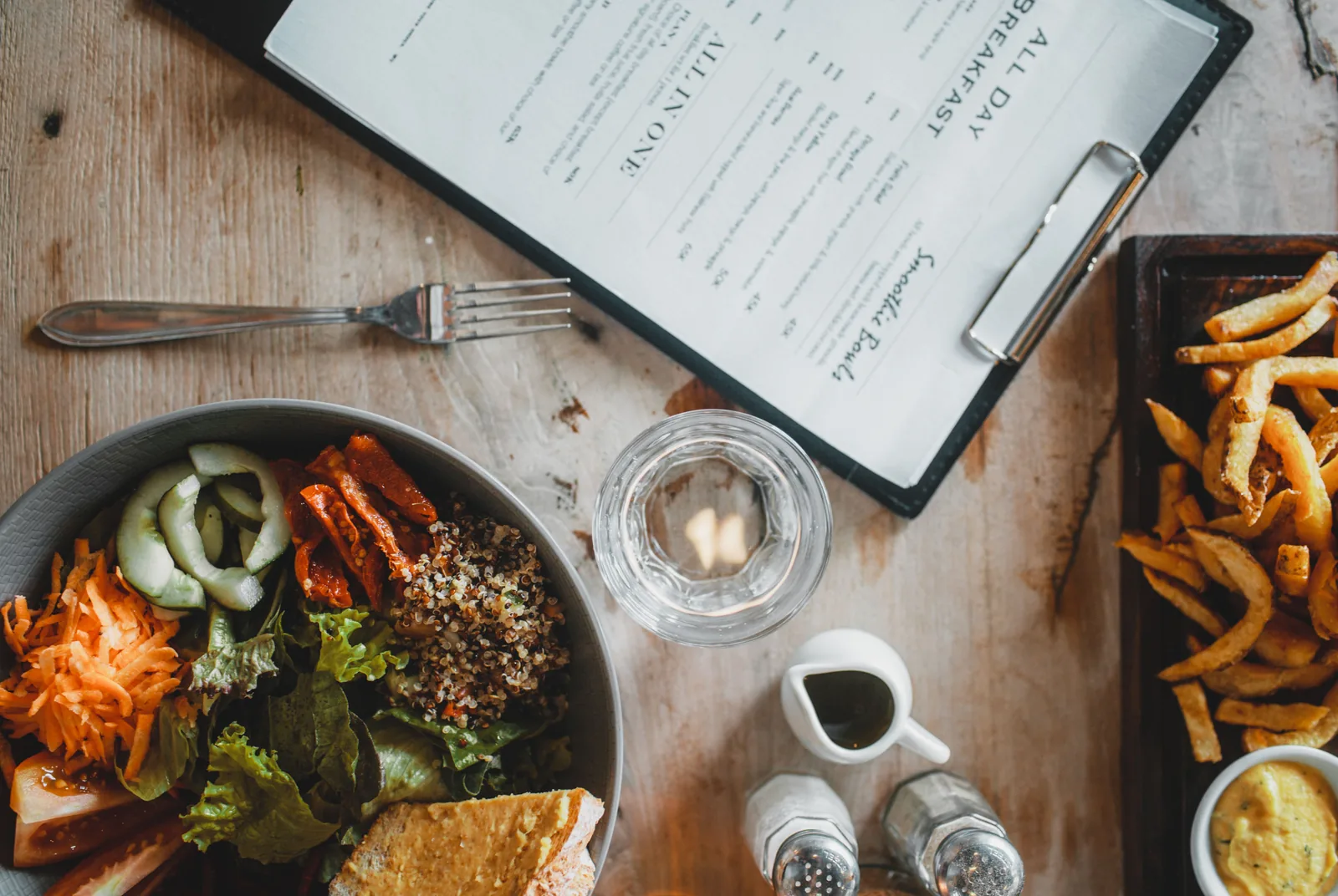
Your allergen may appear in sauces, stocks, oils, pastes, or processed ingredients that are not obvious from a menu. List the forms relevant to your own allergy and destination. For example:
- Peanut: peanut oil, peanut sauce, peanut paste, ground peanut in satay and some curries
- Fish: fish sauce (น้ำปลา in Thai), fish paste, fish-based stock, dried fish flakes
- Shellfish: shrimp paste (กะปิ in Thai), dried shrimp, oyster sauce, crab roe
- Soy: soy sauce, tofu, miso, tempeh, edamame, when relevant to your allergy
- Gluten/Wheat: wheat-containing soy sauce, seitan, flour-thickened sauces, breadcrumb coatings
3. A cross-contact statement
If even small amounts can trigger a reaction, say so plainly and name the equipment that matters: shared woks, fryers, grills, knives, boards, utensils, or serving containers. A card should explain that removing a visible ingredient is not enough. Use the wording recommended by your clinician or allergy organization.
4. A severity indicator
“I avoid peanuts” and “peanut exposure may require emergency treatment” communicate different levels of urgency. Use a short, factual statement that reflects your medical advice. Avoid relying on color alone, since printed cards and lighting vary.
5. An emergency phrase
Keep a separate emergency line saying that you are having a reaction and need medical help. It should not replace your allergy action plan or medication. In Thailand, the emergency medical number is 1669; use the current emergency guidance for the country you are visiting.
Common mistakes travelers make
Treating the server as the end point
Showing your card to a server and watching them nod does not prove that the kitchen understood it. Ask the server to show it to the chef or person preparing the food, then ask whether the dish can be prepared without your allergen and cross-contact.
Naming the allergen without its forms
A card that says “I cannot eat peanuts” may not communicate that peanut oil, peanut-based dipping sauces, and shared cookware are also concerns. List the forms that matter to you, then ask how the specific dish is made. Removing visible peanuts is not enough if the sauce or equipment cannot be verified.
Relying on "no problem" as confirmation
“No problem” is not a substitute for a specific answer. Ask what ingredients, sauces, oils, and equipment are involved. If the response remains vague, the staff seem rushed, or the kitchen cannot avoid cross-contact, choose another place to eat.
Not researching destination-specific hidden risks
Hidden ingredients vary by cuisine. Fish sauce can be present in Thai dishes that do not taste strongly of fish; sesame can appear in Korean and Japanese dishes; and sauces or stocks may contain ingredients that are not obvious from the dish name. Research the destination before you arrive so your card and questions match the local cooking.
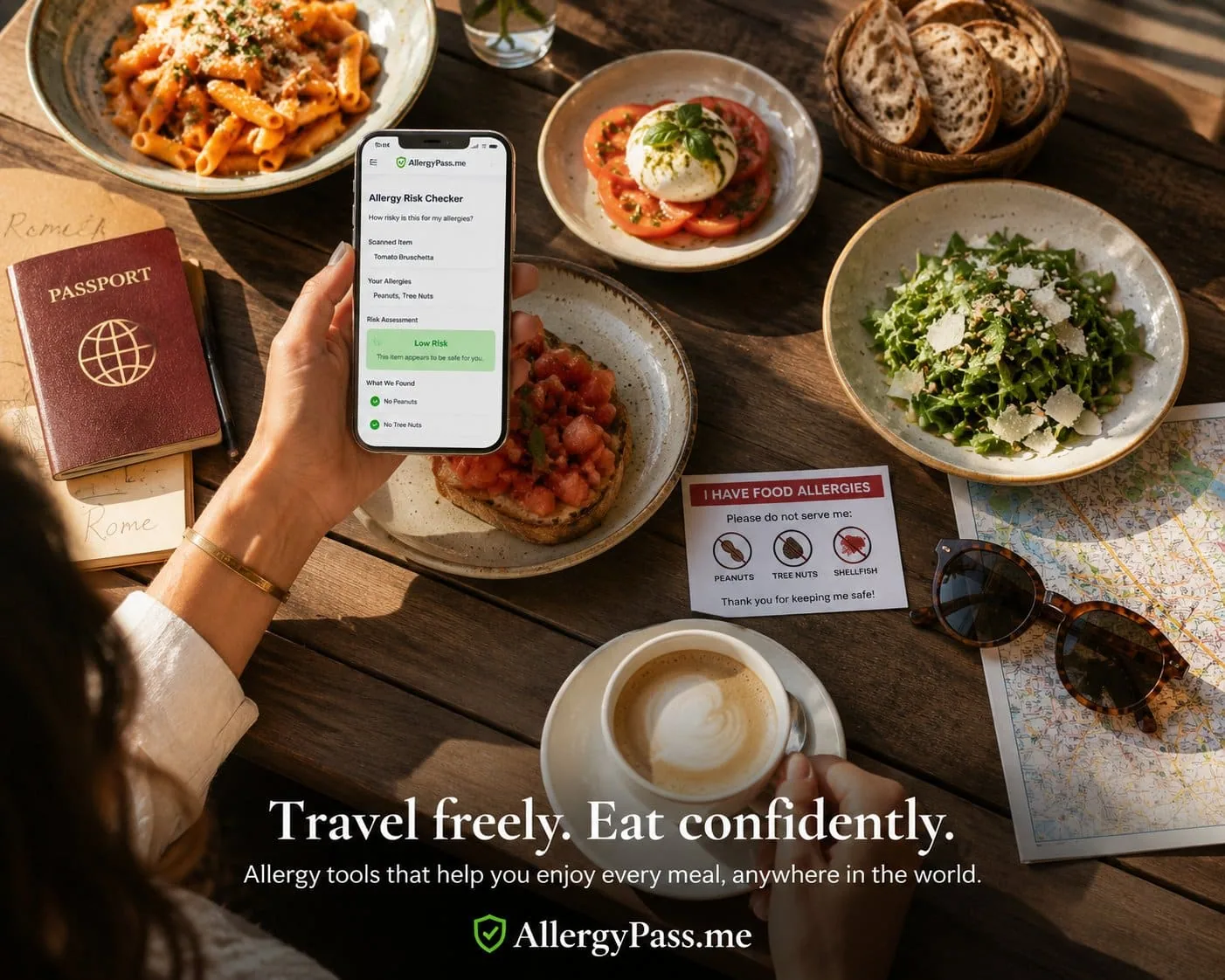
The AllergyPass Allergy Risk Checker covers common Thai dishes with per-allergen risk levels and specific questions to ask when ordering. Reviewing it before a meal gives you a realistic picture of what to watch for.
Physical card vs. digital: which to use
Both is practical. They serve different backup roles, and neither one makes a kitchen capable of handling an allergy if it cannot control the preparation.
A printed card can be handed directly to kitchen staff, requires no battery, and is useful in loud or busy environments. A laminated wallet-sized card is easier to protect from spills and humidity. Carry a spare in case the original is left at a restaurant.
A digital card saved as a photo is a useful backup and is easy to update if your restrictions change. Save it to your camera roll or photo gallery, make it available offline, and check that the text can be read without zooming through several screens.
If you are traveling to multiple countries, keep each card as a clearly labeled photo. Check the destination before showing it; the wrong language creates confusion at exactly the moment you need clarity.
If you're weighing a pre-printed physical card from a service like SelectWisely against a digital, build-it-yourself option, see how AllergyPass compares to SelectWisely on price, turnaround, and language coverage.
How AllergyPass helps you prepare
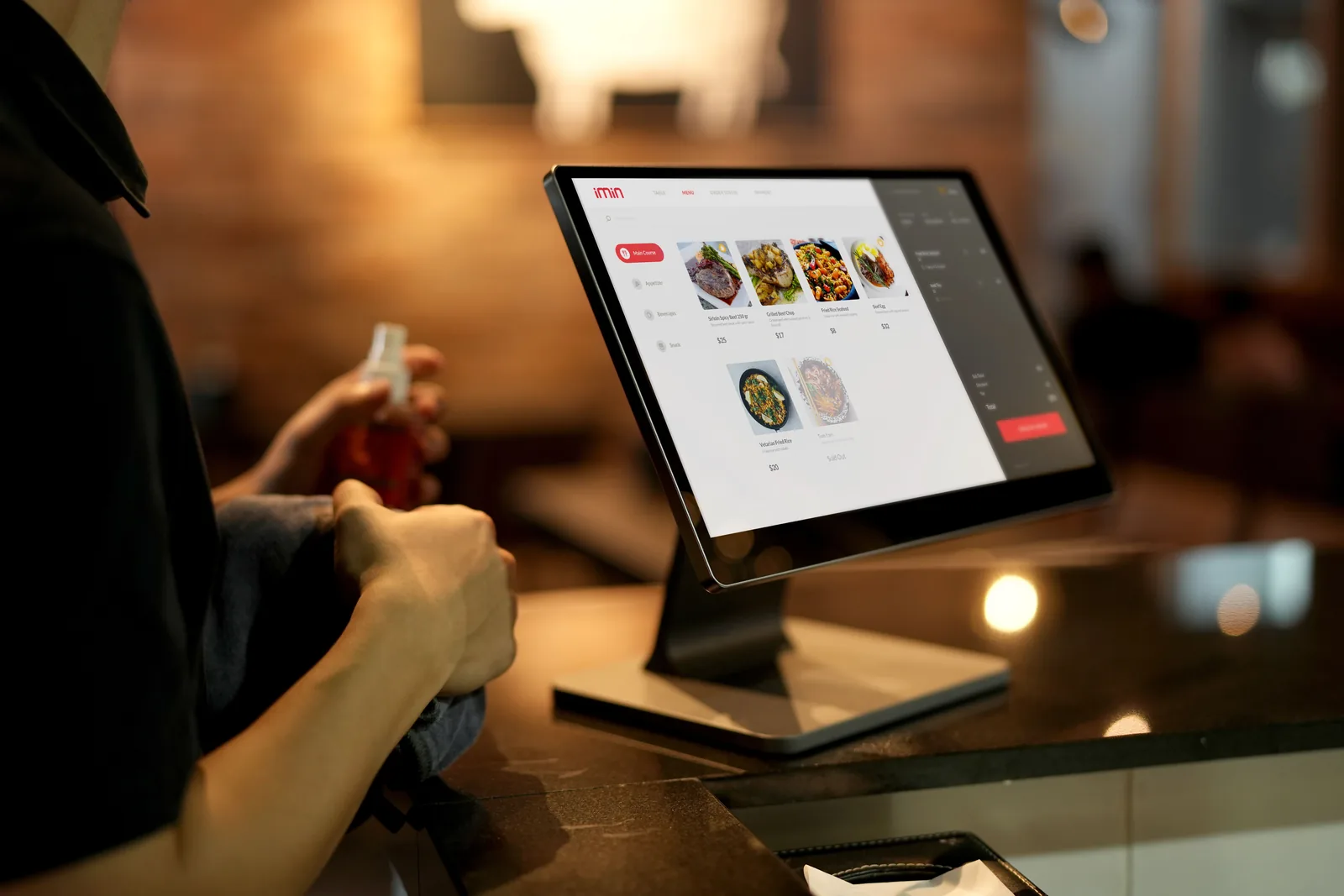
AllergyPass builds a food allergy translation card in 40+ languages, with each card showing the local script alongside English. The card builder lets you select your allergens and severity level, then produces a format designed to be shown to restaurant staff or a person preparing the food.
The card includes allergen names, relevant derivative forms, and cross-contact wording. Review the finished card before travel and make sure it matches your actual allergy and medical advice.
Alongside the card, the Allergy Risk Checker covers common Thai dishes with allergen breakdowns by ingredient, which is useful for understanding which dishes carry hidden risk before you sit down to order.
Both tools are preparation resources, not medical solutions. Carry prescribed emergency medication, keep your allergy action plan available, and know the local emergency number. A translation card supports those preparations but cannot replace them.
Frequently asked questions
Are food allergy translation cards actually effective?
They can improve communication when they use clear local terminology, list the relevant forms of your allergens, and are shown to the person preparing the food. A card reduces ambiguity; it does not remove the need to ask questions, check preparation, or decide whether the venue can manage your allergy. It is a communication tool, not a medical guarantee.
Can I just use Google Translate?
Google Translate can help in a pinch, but it may produce awkward or incomplete allergy wording and depends on a charged, accessible phone. A prepared card that has been checked for the destination language can be faster and easier to show. Neither tool confirms that a venue can prevent allergen contact.
What allergens should I include on my card?
List every allergen you react to and the forms that matter in the destination cuisine. Depending on your allergy, that may include peanut oil, fish sauce, fish stock, shrimp paste, dried shrimp, or wheat-containing soy sauce. Add a clear cross-contact statement if even small amounts can cause a reaction, and follow the wording recommended by your clinician.
Physical card or digital?
Both is practical. A printed card works without battery or signal and can be handed to kitchen staff. A digital copy saved as a photo is a useful backup. Keep it accessible offline and check that the text is readable before you travel.
Do allergy cards work at street food stalls?
A card can help at a street stall, but the outcome depends on whether the vendor can understand it, answer questions, and control the preparation. Fixed sauces and shared cookware may make a dish unsuitable. If the response is unclear or the stall cannot avoid cross-contact, the right answer is to skip the dish.
Which countries benefit most from allergy translation cards?
Any destination where you may need to explain an allergy in another language can benefit from a prepared card. It is especially useful when local dishes rely on sauces, cooking fats, stocks, or fermented pastes that are not obvious from the dish name. The card still needs to match the destination and your specific allergens.
Key takeaways
- A food allergy translation card can preserve important details across a language barrier, but it does not remove every handoff or guarantee a safe meal.
- Cards work best when they list derivative ingredient names, not just the primary allergen. Fish sauce, peanut oil, and shrimp paste are invisible in dishes but real risks.
- Google Translate is a backup, not a substitute for wording checked before travel.
- Ask that your card reaches the kitchen, not just the server. If the person preparing your food has not understood it, keep asking or choose another meal.
- Carry both a printed card and a digital backup. Save the digital version to your camera roll rather than behind an app.
- A translation card is a communication tool. It does not replace emergency medication, medical consultation, or careful ordering decisions.
This article is for informational and travel preparation purposes only. It does not constitute medical advice. Food allergy severity and appropriate precautions vary by individual. Always consult a qualified healthcare professional before traveling with a food allergy. Carry any prescribed emergency medication at all times. AllergyPass translation cards are communication tools. They improve the accuracy of allergy communication but do not guarantee a reaction-free dining experience. See our full medical disclaimer.