 AllergyPass
Hidden Allergens
in Thai Food
In Thai cooking, an ingredient can be mixed into a sauce or curry paste long before the dish reaches your table. The dish name may give you no clue that it is there.
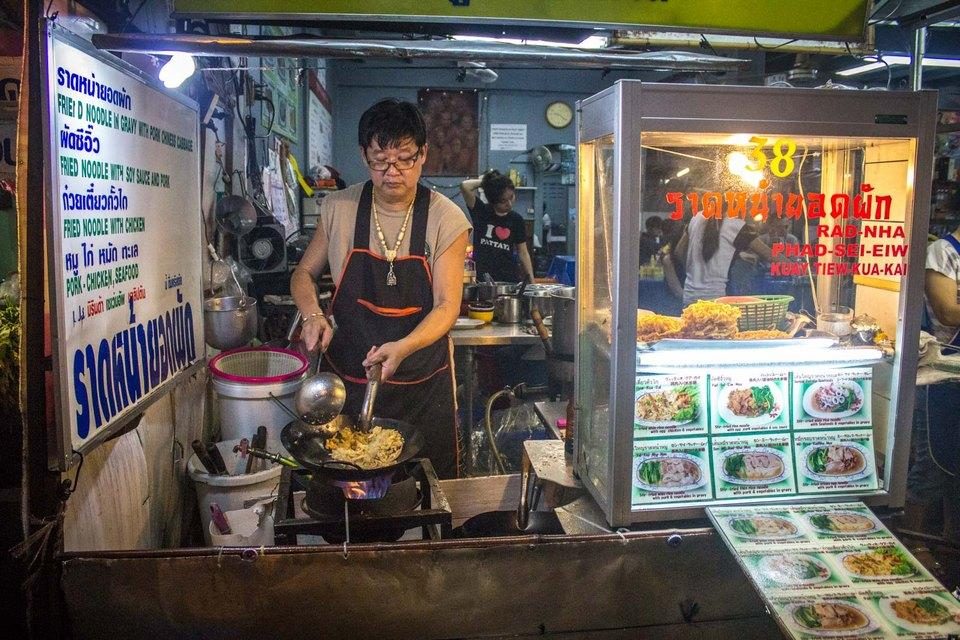 Thailand
In this guide
Why ingredients are easy to miss in Thai food
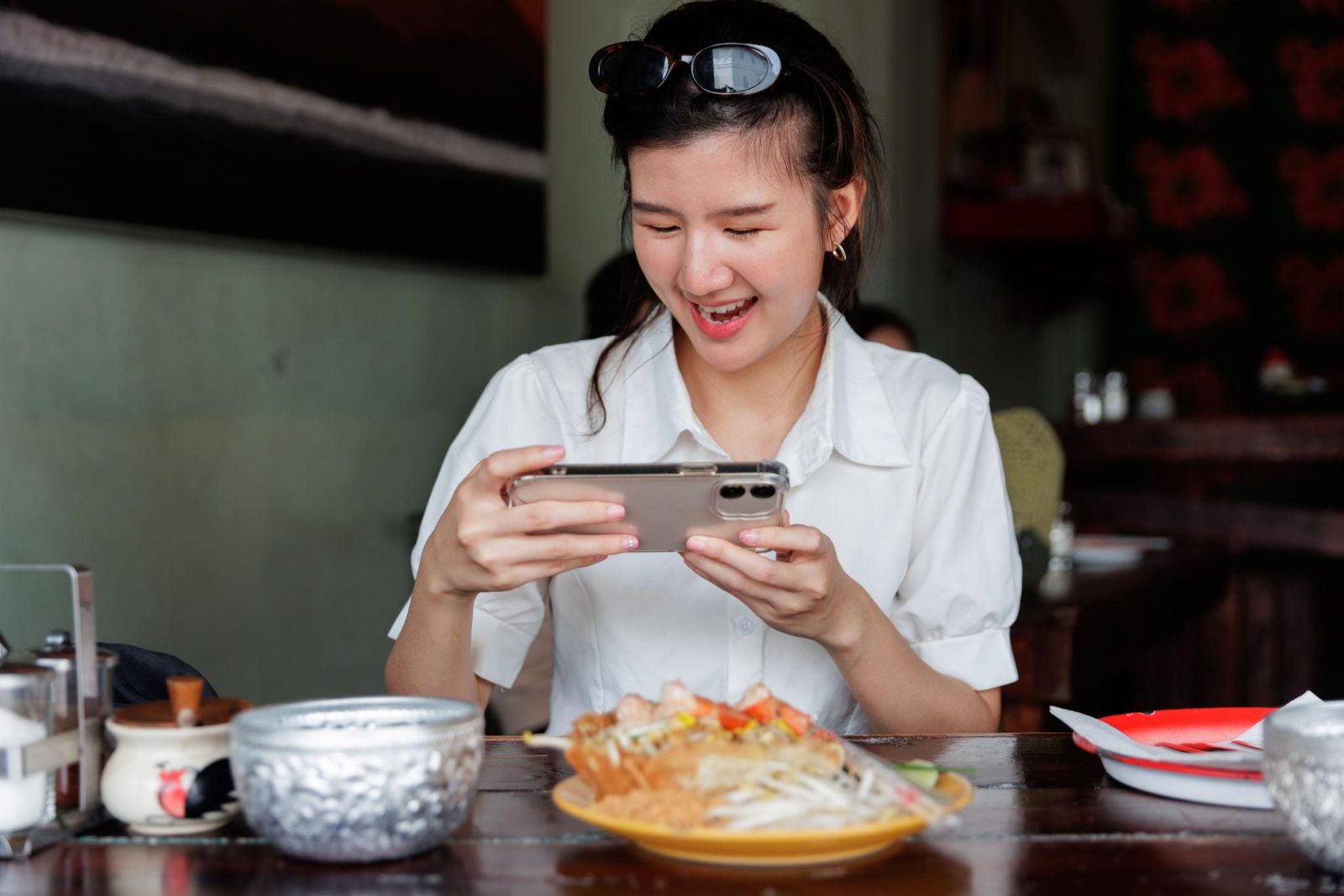
Thai cuisine gets much of its flavor from sauces, pastes, and condiments added during cooking. Fish sauce is a common savory seasoning, while shrimp paste appears in some curry pastes and regional sauces. Some kitchens also use peanut oil. Because recipes and cooking practices vary, a menu description usually cannot tell you whether a particular ingredient is present; ask about the recipe and preparation surface.
So a dish described as "mixed vegetables with tofu" could be stir-fried in peanut oil, seasoned with fish sauce, or served with a shrimp-paste dipping sauce. None of that is visible from the description, and a server may not know which ingredients you need to avoid unless you ask directly.
This guide covers five hidden ingredient risks and how to flag each one in Thai. For trip-wide planning, start with the food allergies in Thailand travel guide. For peanut-specific dish risks, cooking oil, shared woks, and Thai phrases, use the peanut allergy in Thailand guide.
Fish sauce: น้ำปลา (nam pla)
Fish sauce is one of the most common hidden fish allergens in Thai food. It is used as a savory seasoning in many recipes and may also be added at the table as a condiment.
It commonly appears in pad thai, fried rice, tom yum (opens in new tab) soup, some curries, papaya salad, stir-fried vegetables, and many dipping sauces. Even restaurants describing food as vegetarian or "healthy" may use fish sauce unless they specifically cater to strict vegetarians, so ask rather than assume.
Thai to show: ไม่ใส่น้ำปลา · mai sai nam pla (no fish sauce)
Shrimp paste: กะปิ (kapi)
Shrimp paste is a strongly fermented paste made from ground shrimp and salt. It has a pungent, concentrated flavor and appears in some curry pastes, chili-based dips called nam prik, and some versions of som tam. Its use varies by recipe and region.
Unlike fish sauce, shrimp paste may be mixed into a curry paste before the dish is cooked, so it cannot simply be removed after ordering. If a standard curry paste contains shrimp, ask whether the kitchen can prepare a separate paste; otherwise, choose a different dish.
Thai to show: ไม่ใส่กะปิ · mai sai kapi (no shrimp paste)
Peanuts and peanut oil: ถั่วลิสง (thua lisong)
Peanuts appear in Thai cooking as visible garnishes, sauce ingredients, and sometimes as a cooking oil. Some stalls or restaurants may use peanut oil, but oil practices vary and are not reliably shown on a menu. Whole or crushed peanuts are common with pad thai, some noodle dishes, and satay accompaniments.
The garnish issue is particularly relevant for cross-contamination: in a busy street food stall, peanuts are handled continuously, and the same utensils and surfaces are used across multiple dishes.
Thai to show: แพ้ถั่วลิสง · pae thua lisong (allergic to peanuts)
Dried shrimp: กุ้งแห้ง (kung haeng)
Dried shrimp are used whole, chopped, or ground as a flavor component. They appear in some versions of som tam, fried rice, stir-fried vegetables, and various noodle dishes. They can be ground finely enough that they are not visible in the finished dish.
Even a small amount can matter for someone with a shellfish allergy, so do not assume that a garnish or seasoning is harmless because it is easy to miss.
Thai to show: ไม่ใส่กุ้งแห้ง · mai sai kung haeng (no dried shrimp)
Oyster sauce: ซอสหอยนางรม (sot hoi nang rom)
Less discussed than fish sauce, oyster sauce is common in some Chinese-influenced Thai stir-fries, including morning glory (pak boong), broccoli, and some noodle dishes. Like fish sauce, it is added during cooking and may not appear on a short menu description.
Thai to show: ไม่ใส่ซอสหอยนางรม · mai sai sot hoi nang rom (no oyster sauce)
Your card will flag all of these specifically in Thai
Build your Thai allergy cardWhere each allergen appears
| Allergen | Appears in | Visibility |
|---|---|---|
| Fish sauce: น้ำปลา | Many savory dishes and sauces | Often invisible: used in cooking |
| Shrimp paste: กะปิ | Curries, some salads | Invisible: in paste base |
| Peanuts and peanut oil: ถั่วลิสง | Pad thai, satay, salads | Sometimes visible as garnish |
| Dried shrimp: กุ้งแห้ง | Som tam, fried rice, noodles | Sometimes visible |
| Oyster sauce: ซอสหอยนางรม | Stir-fries, noodles | Invisible: used in cooking |
Sources and food-safety notes
- FAO/WHO Codex Alimentarius: General Standard for the Labelling of Prepackaged Foods (CXS 1-1985) — Section 4.2.1.4 lists the foods known to cause hypersensitivity that must always be declared: gluten-containing cereals, crustacea, eggs, fish, peanuts and soybeans, milk, tree nuts, and sulphite at 10 mg/kg or more. It governs prepackaged food, not a dish cooked to order at a stall.
- Royal Thai Embassy, Copenhagen: Som tam and pla kung listed among Thailand's best-known dishes — An official dish reference illustrating why named dishes still need recipe-specific ingredient checks.
- U.S. Food and Drug Administration: Approaches to establish thresholds for major food allergens — Reviews evidence distinguishing highly refined peanut oil from crude peanut oil. Individual advice should still come from a clinician.
Frequently asked questions
Does fish sauce contain shellfish?
Traditional fish sauce is made from fermented fish rather than crustaceans or mollusks, but packaged products, blended sauces, and kitchen cross-contact can vary. It is still a fish allergen and must be avoided by anyone with a fish allergy.
Is peanut oil safe for people with peanut allergies?
Highly refined peanut oil may be tolerated by some people with peanut allergies, but cold-pressed or unrefined peanut oil retains peanut proteins and can trigger reactions. Cooking-oil practices vary, so ask what oil is used and follow your clinician's advice; avoiding unverified peanut oil is the safer default.
What Thai dishes are safe for people with shellfish allergies?
Dishes without shrimp paste (kapi) or dried shrimp as a base are lower risk. Clear soups, plain rice dishes, and some stir-fries made without shrimp paste may be options, but always confirm with kitchen staff, since these ingredients are often used invisibly in sauces and curry bases.