 AllergyPass
How to Assess Thai Street Food
When You Have a Food Allergy
Yes, sometimes—but not by guesswork. Learn how to assess the stall, ask about preparation, and know when to walk away.
 Thailand
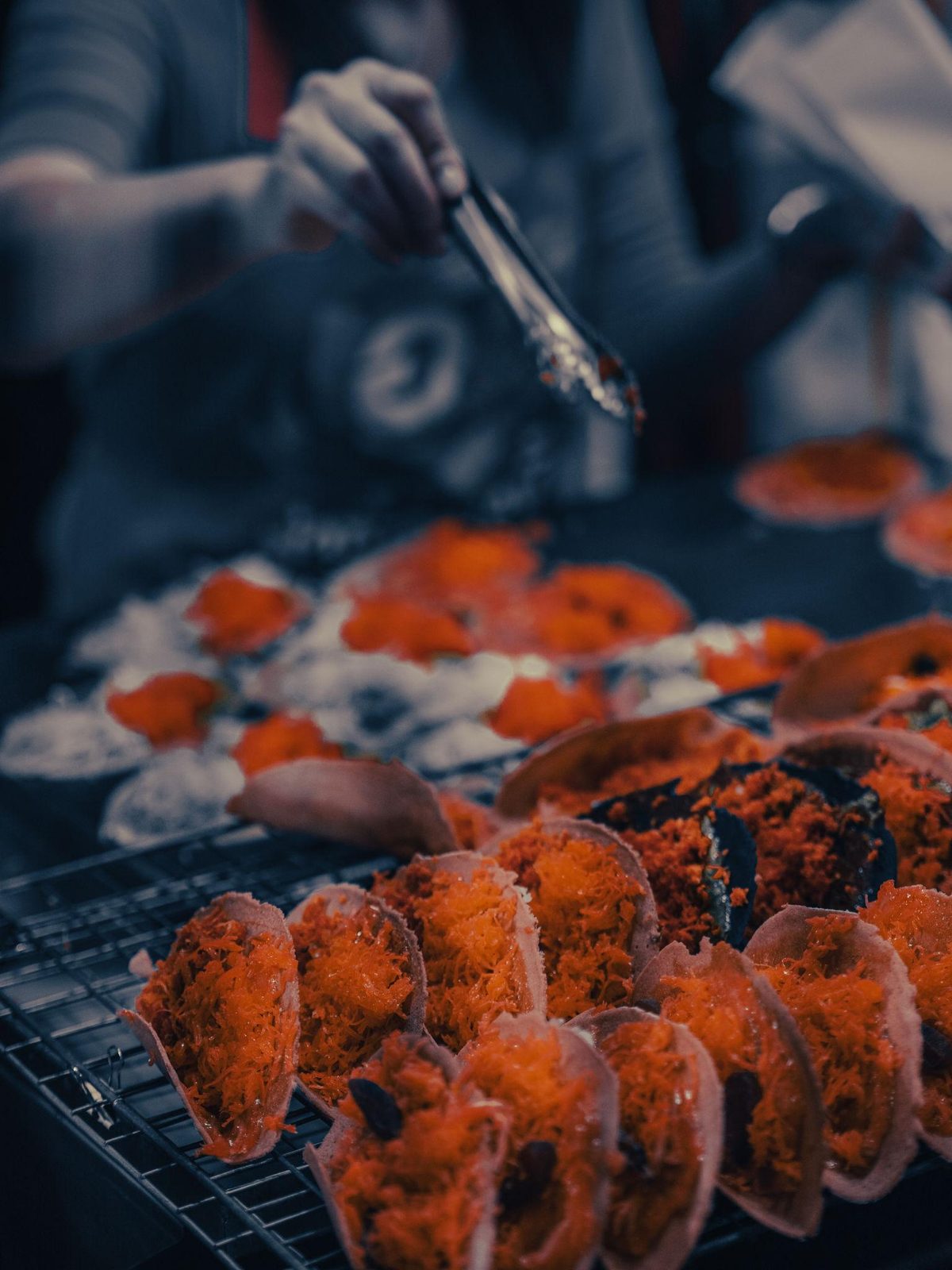
Street food is a major part of eating in Thailand, but the right choice depends on your allergen, your reaction history, the dish, and the stall's preparation setup. Treat the goal as making an informed decision—not proving that every cart can accommodate you.
This guide focuses on stall selection and real-time decision-making, how to read a stall before you order, when to walk away, and how to communicate clearly when you do. For a full reference on which allergens hide in which dishes, see the Hidden Allergens in Thai Food.
In this guide
Why Thailand street food feels risky for allergy travelers
The uncertainty is understandable. You may be standing in Yaowarat or Chatuchak, pointing at a sizzling wok while the vendor handles several orders and the menu is in Thai.
A stall vendor may know the recipe, but still be unable to answer questions about packaged sauces, shared equipment, or a last-minute substitution. That is why a written card, a specific question, and a willingness to walk away matter more than reassurance alone.
The actual risks: what makes Thai street food complicated
Peanuts appear constantly
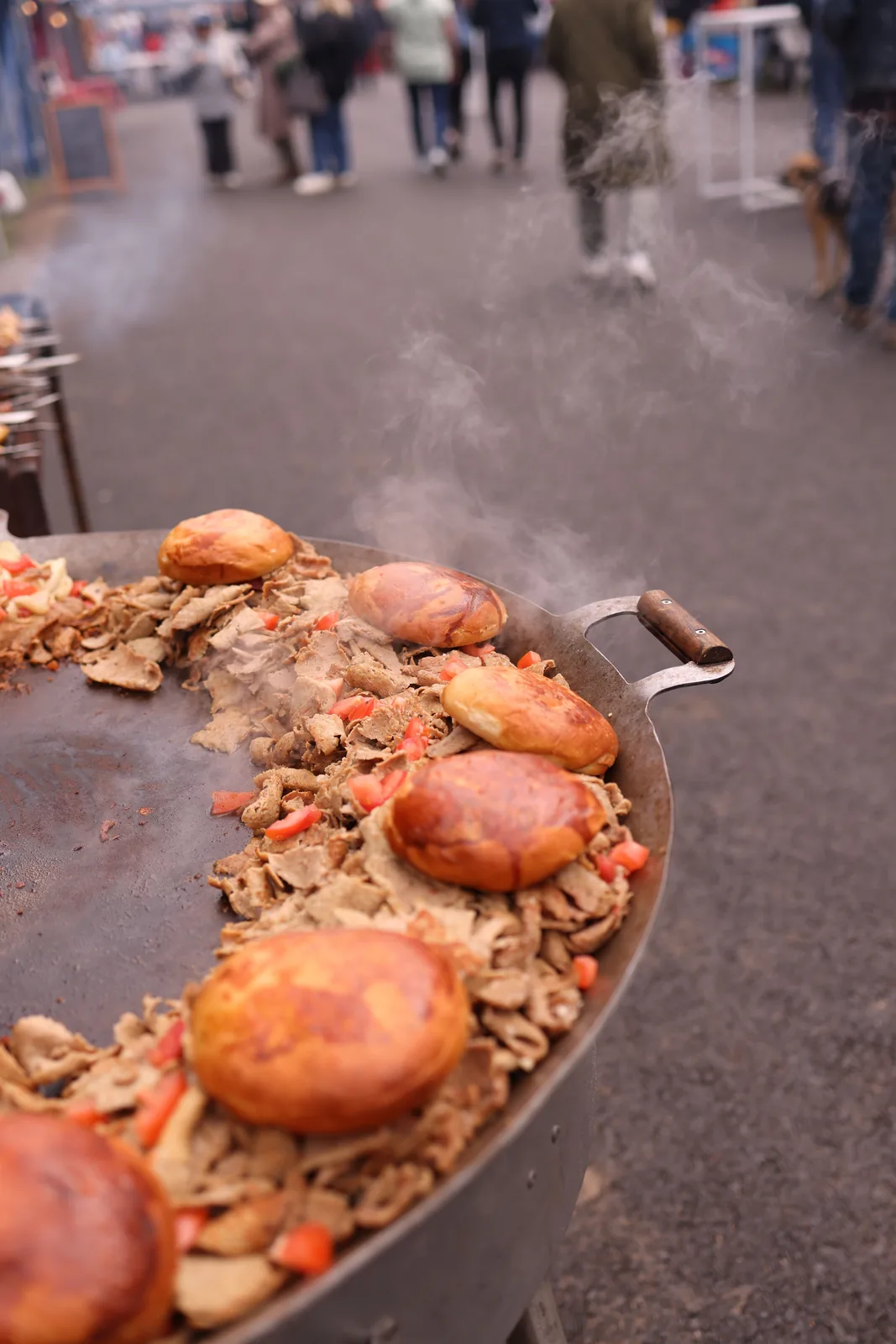
Peanuts show up in pad thai (often as a garnish), satay sauces, some curry pastes, som tam, and certain stir-fry dishes. The visible garnish is only one question: ask about the sauce, marinade, oil, and shared wok as well. For a fuller breakdown of peanut risks in Thai cooking, see Traveling to Thailand with a Peanut Allergy.
Fish sauce and shrimp paste are common in many dishes
Nam pla (fish sauce), kapi (shrimp paste), and dried shrimp appear in many Thai recipes. They may be mixed into curries, soups, stir-fries, dipping sauces, and marinades, so a dish can contain seafood-derived ingredients without looking like seafood. Ask about the exact preparation, including curry paste and seasoning sauces.
Cross-contamination at street stalls
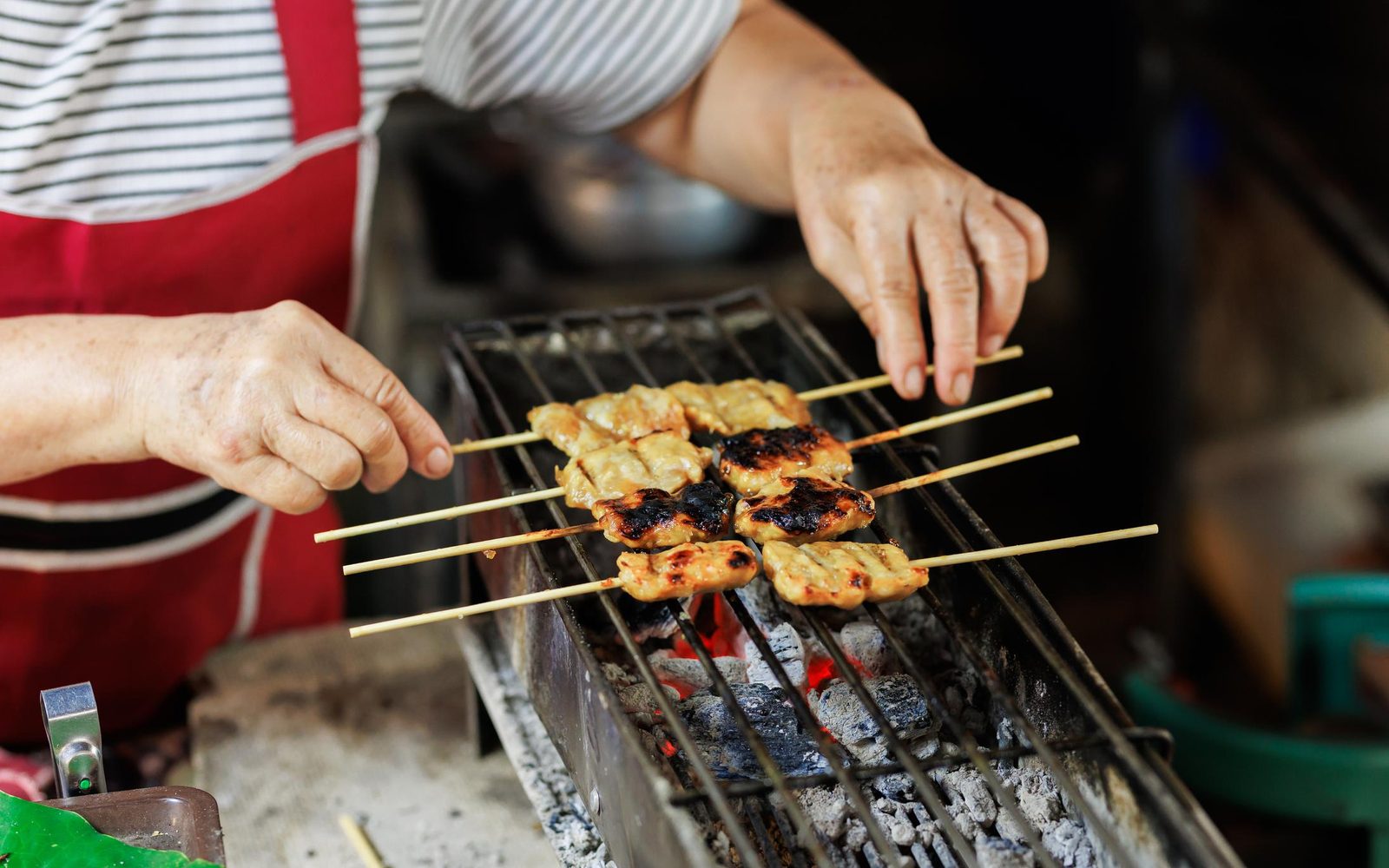
A busy stall may use the same wok, grill, tongs, knives, ladles, oil, or sauce containers for several dishes. Removing visible peanuts does not remove the risk if the equipment or sauce has already contacted your allergen. For someone with a serious food allergy, that uncertainty can be enough reason to choose another meal. The cross-contact mechanics are covered in more detail in the hidden peanuts guide above.
Language creates real gaps
English may not be enough to explain the difference between "leave the peanuts off" and "I must not have any peanut contact." A written Thai card that names the specific ingredient and the seriousness of the allergy is clearer than a short spoken request.
When street food is lower risk
Stalls that specialize in one or two dishes
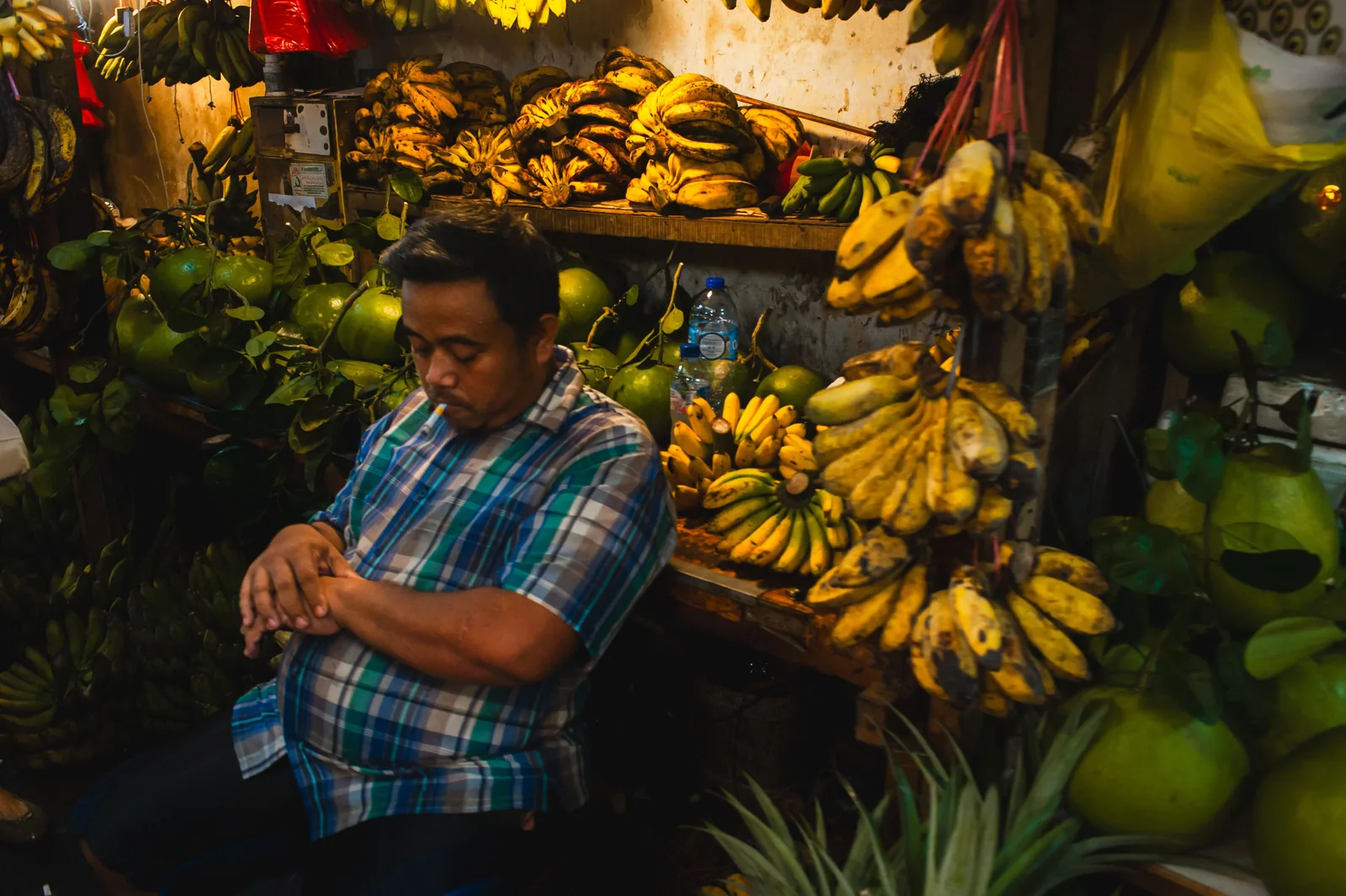
A cart that specializes in one or two dishes may have fewer ingredients and a simpler process than a stall offering many dishes and sauces. That can make questions easier to answer, but it is not proof of allergen-free preparation. Ask about the ingredients and the equipment either way.
Dishes with visible, simple ingredients
Some foods have fewer components, such as plain rice or fruit, but even simple items can involve shared knives, tongs, boards, butter, sauces, or seasoning. Grilled meats may be marinated before they reach the grill. Use simplicity as a reason to ask a shorter set of questions—not as a guarantee.
When the vendor responds with specifics, not just reassurance
A confident "no problem" is not the same as an answer. Look for a vendor who can identify the ingredients and explain what touches the food. If they are unsure, rushed, or only remove a visible garnish, treat that as a reason to leave.
When to avoid street food entirely
If you have had a severe reaction or have been prescribed epinephrine, take shared equipment and unclear answers seriously. A vendor may be able to remove an ingredient but still be unable to prevent contact through a wok, grill, knife, oil, or sauce. Walking away is a valid safety decision.
High-risk scenarios worth skipping:
- Any dish known to contain your allergen, such as standard pad thai for someone with a peanut allergy
- Busy stalls where one wok, grill, fryer, or set of utensils serves many dishes
- Dishes with premixed sauces, curry pastes, or marinades you cannot verify
- Situations where the vendor cannot understand or answer your allergy questions
How to communicate food allergies at Thai street stalls
- Use written Thai before ordering. A card or phone screen gives the vendor time to read the request instead of relying on a rushed spoken exchange.
- Name the ingredients and the seriousness. List shrimp, crab, shrimp paste, fish sauce, peanuts, or any other relevant ingredient. “No peanuts on top” is not the same as avoiding peanut contact.
- Show the card before you order, not after. This gives the vendor the chance to tell you whether your dish is actually possible.
- Ask about the preparation. Check the oil, wok, grill, knives, tongs, ladles, and premixed sauces—not just the visible ingredients.
- Leave if the answer is unclear. “Probably fine” is not a reliable answer for a serious allergy.
Build a bilingual Thai-English allergy card to show at any stall
Build your Thai allergy cardPractical decision framework before ordering
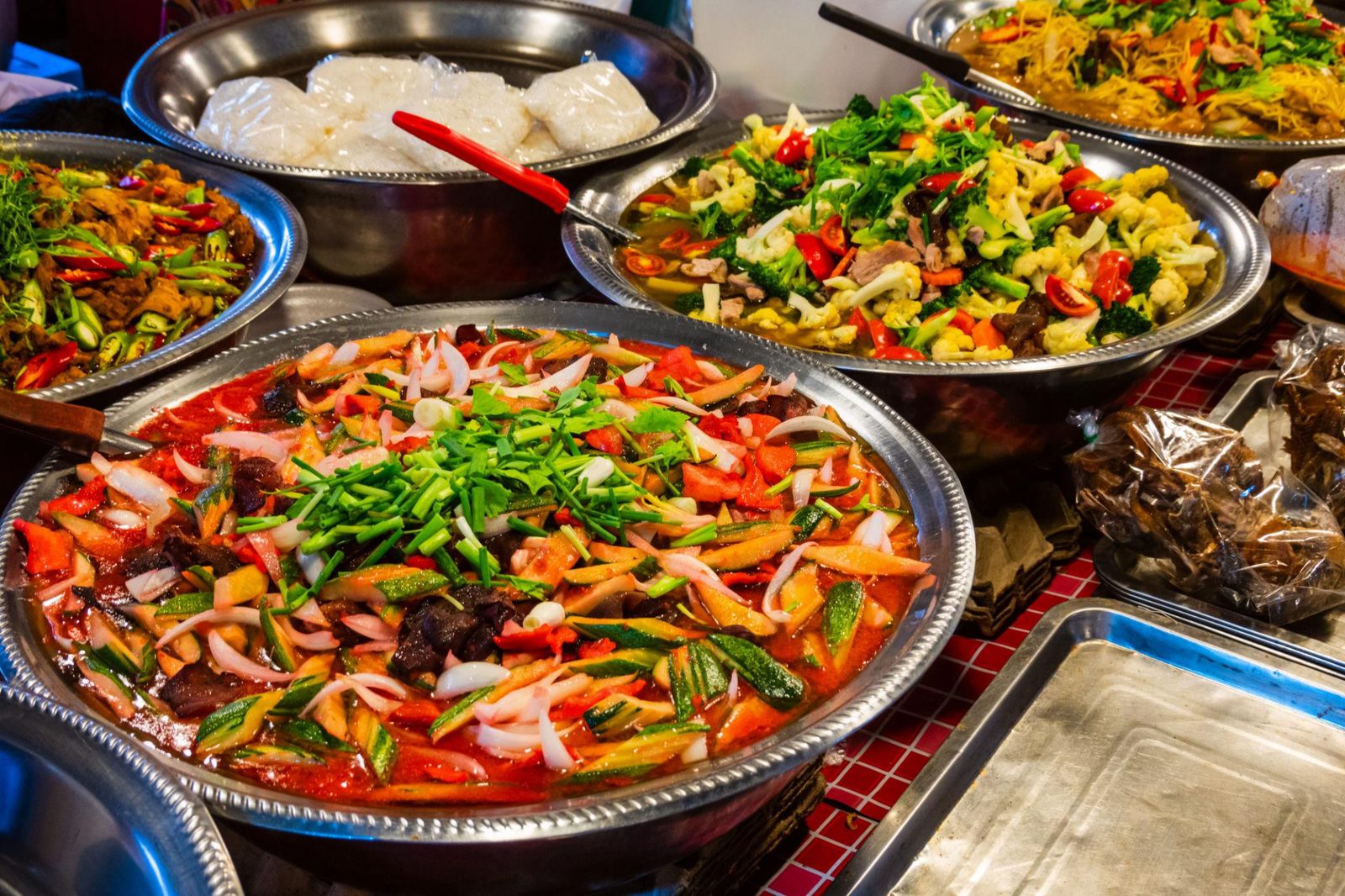
Ask yourself three questions before approaching any stall:
- Does this dish commonly contain my allergen? If pad thai is a known peanut risk for you, do not use a busy cart to test whether this particular version is different.
- Can the vendor understand and answer my questions? A written card helps, but the answers should still be specific enough for you to make a decision.
- Can the stall control cross-contact? A single-dish cart may be simpler, but ask about its wok, grill, fryer, utensils, and sauces.
If the dish, communication, and preparation setup all make sense for your allergy plan, you can decide whether to proceed. If any answer is unclear, choose another meal. There will be another food option later.
Lower-risk street food by allergen
For peanut allergies
- Fruit or plain rice only after checking knives, boards, toppings, and shared containers
- Grilled corn after checking seasoning, butter, tongs, and the grill
- Grilled meats only after checking the marinade, grill, tongs, and dipping sauce
- Skip satay, peanut dipping sauces, and dishes where the vendor cannot verify the sauce or oil
For shellfish and fish allergies
- Fruit or plain rice after checking preparation and shared equipment
- Jay food stalls may reduce fish and shellfish ingredients, but still require questions about recipes and cross-contact
- Avoid dishes with curry paste, dipping sauces, or stir-fry seasoning unless verified
For gluten avoidance
- Rice or rice-based dishes only after checking sauces, marinades, seasoning, and shared utensils
- Ask about soy sauce and other wheat-containing seasonings, especially in stir-fries
- If you have celiac disease, treat shared woks, fryers, and utensils as part of the ingredient question
For dairy
- Ask whether the dish contains milk, butter, condensed milk, or dairy-based toppings
- Be especially careful with desserts and coffee drinks, which may use sweetened condensed milk
Emergency preparedness
Carry the medication prescribed in your allergy action plan, including epinephrine if you have been prescribed it. Keep it with you rather than in checked luggage. If a serious reaction starts, follow your action plan and call Thailand's emergency medical service at 1669; do not rely on a street vendor or try to manage a severe reaction with food or drink. Know the word for hospital: โรงพยาบาล (rohng paya-bahn). Bumrungrad's Bangkok number is +66 2 667 1000, but it is not a substitute for emergency services. Keep your emergency contact visible on your phone or card.
Frequently asked questions
Is Thai street food safe for people with peanut allergies?
Some Thai street food may be workable, but no stall is automatically safe. Peanuts appear in dishes such as pad thai, satay sauces, som tam, and some stir-fries. The bigger concern at street stalls is cross-contact from shared woks, grills, utensils, oils, and sauces.
How do you explain a food allergy to a Thai street food vendor?
Show a written Thai card or phone screen before ordering. List the specific ingredients to avoid and explain that removing a visible garnish is not enough; the vendor also needs to consider sauces, oil, equipment, utensils, and cross-contact. Saying “allergic to peanuts” in English is less useful than showing ถั่วลิสง in writing.
Does Thai food always contain fish sauce?
Not always, but fish sauce is common in many savory Thai dishes. Jay cooking may avoid fish sauce and shrimp paste, but individual recipes and shared equipment still need to be confirmed with the vendor.
Can I eat pad thai with a peanut allergy?
Many pad thai versions include crushed peanuts as a garnish, and recipes may also use peanut-containing sauce or shared-wok preparation. It is a higher-risk choice for a peanut allergy. Even if a restaurant removes the garnish, the risk is lower—not zero—unless the ingredients and preparation are understood.
Key takeaways
- Thai street food is not uniformly dangerous or safe: the stall, dish, allergen, and communication all matter.
- Peanuts, fish sauce, and shrimp paste are three common hidden allergen risks.
- Single-dish stalls may be easier to assess than multi-dish stalls with complex sauces, but neither is automatically safe.
- Cross-contact through busy stalls' equipment is a real concern for serious allergies regardless of what the vendor says about visible ingredients.
- Written Thai is more reliable than spoken English for allergy communication.
- Jay food stalls may offer lower fish-sauce and shrimp-paste exposure, but still require ingredient and cross-contact questions.
- Carry the emergency medication prescribed in your allergy action plan.