 AllergyPass
South Korea Food Allergy
Travel Guide
Eating your way through Seoul with a food allergy means knowing which dishes hide seafood. Kimchi is often made with salted shrimp or anchovy, though products and restaurants vary. Gochujang raises soy and wheat questions, while sesame, sauces, and shared grills can affect the rest of the meal. This hub explains what to ask, how packaged labels differ from restaurant communication, and how to carry it all in Korean.
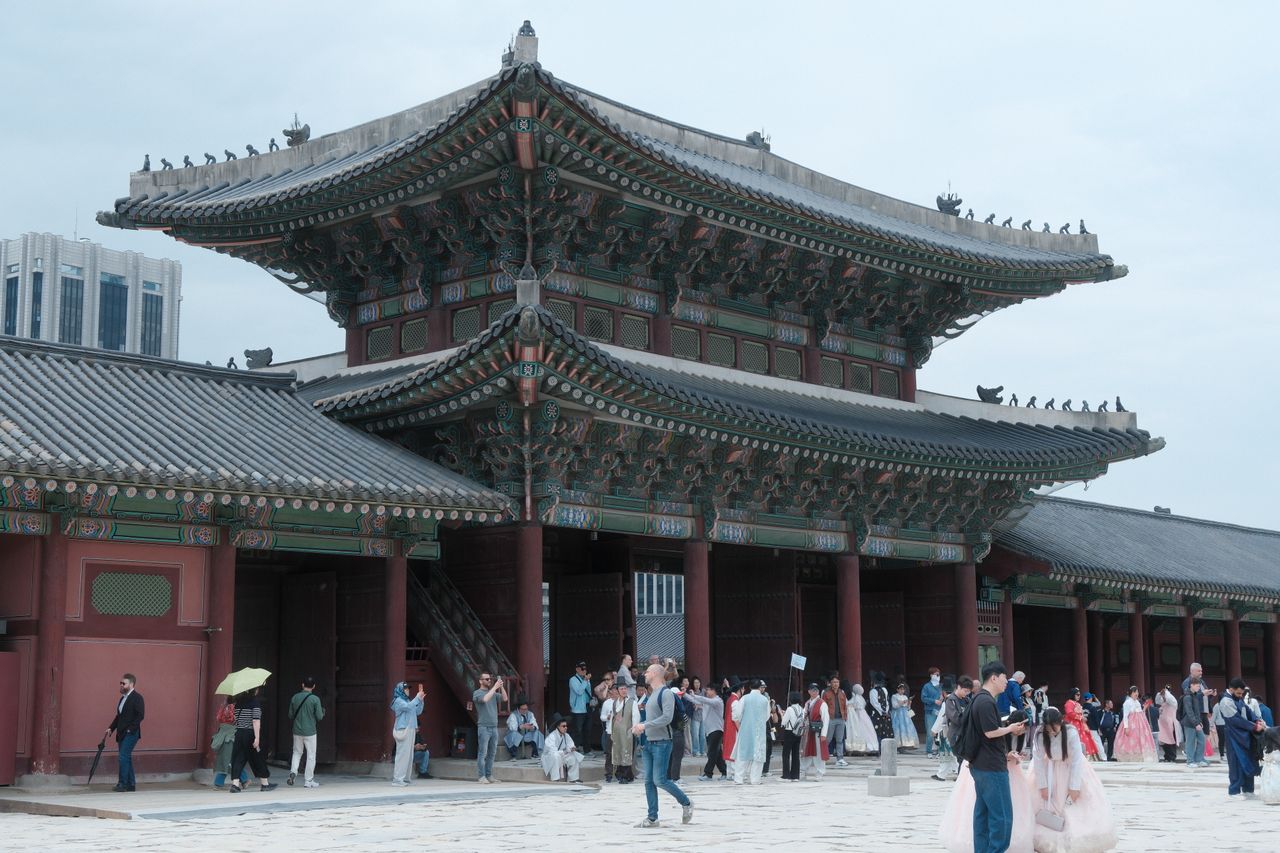 South Korea
In this hub
South Korea city guides
How to communicate food allergies at Seoul hotels, compare neighborhood food routines and transport, and brief hotel kitchen staff before arrival.
Experiences guideKorean BBQ with soy or sesame allergy, Gwangjang Market navigation, cooking classes (kimchi, tteok, bibimbap), pojangmacha, Han River picnics, and convenience store food culture.
Airport guidePharmacy and medical-service checks, emergency planning, and how to get from Incheon into Seoul.
City guideThe heavier shellfish and fish risk at Jagalchi Market and in Busan's fish cakes, plus the two hospitals that can help.
Key allergen questions in South Korea

Ganjang (soy sauce), doenjang (fermented soybean paste), and often gochujang raise soy questions. Ask about marinades, sauces, banchan, tofu, and shared tools rather than relying on an unmarinated main ingredient alone.
Sesame oil and seeds are common in banchan, namul, sauces, garnishes, and gimbap. Ask about the oil, toppings, shared utensils, and cooking surface at every meal.
Many kimchi recipes use jeot, such as saeujeot (salted shrimp) or myeolchi-jeot (fermented anchovy). Ask about the exact batch, fish sauce, shared serving tools, and whether a vegan version still contains soy or sesame.
Gochujang may contain wheat, and wheat also appears in ramyeon, fried chicken batter, snacks, and some sauces. Check the exact product or recipe; do not treat a glass-noodle dish as free from soy, sesame, or shared-wok contact.
Communicating your allergy in Korea
South Korea's allergen labeling system applies to packaged food, not restaurants. For restaurant communication, put it in writing rather than trying to say it. A Korean-language card reaches kitchen staff directly and uses the correct Korean terminology for each allergen.
Build a Korean-English allergy card covering soy, sesame, jeot, and your specific allergens in Korean script
Build My Korea CardWant to learn the Korean allergen words yourself, not just carry a card? See the full Korean food allergy phrasebook.
South Korea's packaged-food labeling
South Korea's Ministry of Food and Drug Safety provides current allergen-labeling information for packaged food. Use the label on the exact product in front of you; product formulas and label guidance can change, and a packaged-food label does not explain how a restaurant manages shared preparation.
This information is useful for packaged food sold in supermarkets, convenience stores, and online retail. Restaurants are a different setting: ask about the recipe, sauce, stock, oil, utensils, and shared surfaces directly. A written card helps communicate the allergen, but it is not proof that the kitchen can prevent cross-contact.
Note on sesame: sesame is not one of the 22 foods in the MFDS's dedicated allergen-labeling list. Read the full current ingredient list on packaged food, and ask separately about sesame oil, sesame seeds, garnishes, and shared tools for prepared food.
Korean dishes: what to ask before ordering
Korean BBQ with a food allergy
Korean BBQ (samgyeopsal, bulgogi, galbi) can make the main ingredient visible, but cooking at the table does not remove questions about marinades, grills, tongs, banchan, sauces, and other diners' food:
- Marinades: Bulgogi and galbi commonly use soy sauce and sesame, but ask about the exact recipe. If you order plain pork belly, confirm that it is unmarinated.
- Shared grills: If the restaurant serves seafood on the same grill, cross-contamination is a real risk. Ask for a clean grill plate (새 불판 주세요: sae bul-pan ju-se-yo: please give me a new grill pan).
- Banchan (side dishes): Ask about sesame oil, soy, kimchi, jeot, fish, and shared serving utensils for each dish.
- Dipping sauces: Ssamjang usually involves doenjang and gochujang, so ask about soy, wheat, sesame, and the serving utensil. Plain salt may still need a clean utensil.
Cross-destination and preparation guides
Extending your Asia trip into Southeast Asia? Vietnam's fish sauce and shrimp paste risk is a different, more pervasive structural problem than Korea's soy and sesame.
Country guideJapan's packaged-food labeling, the dashi problem, soy sauce, and how allergy communication differs from South Korea despite geographic proximity.
Tool guideWhy written allergy cards in the local language work better than verbal requests. How to use them effectively at Korean restaurants, BBQ joints, and cooking classes.
Preparation guideWhat to confirm before buying travel insurance if you have a food allergy. South Korea has strong hospital infrastructure in Seoul; insurance covering allergic reactions is still essential.
Preparation guideWhat changes when you leave home: language barriers, unfamiliar food cultures, different labeling laws, and new cross-contamination environments. Essential reading before any first international allergy trip.
Family travel guideCommunicating on your child's behalf at Seoul hotels, Korean BBQ restaurants, cooking classes, and activities. Briefing guides and knowing what to do if a reaction occurs.
Getting around South Korea
Managing an allergy on the move is easier when you control your own schedule rather than a shared group timetable, especially around meal timing and medication. Search trains, buses, and ferries between Korean cities below.
Emergency information for South Korea
- Emergency number: Call 119 for a medical emergency or ambulance in South Korea.
- Police: 112
- During a reaction: Follow your personal action plan and use prescribed emergency medication as directed. Do not delay care while trying to identify a particular hospital or pharmacy.
- Before travel: Save the address of the nearest emergency department, keep medication in your carry-on or day bag, and verify current hospital intake and language information before relying on it.
- Key emergency phrase: Show a written Korean-language card stating the allergen and seriousness. A card is more reliable than trying to pronounce a medical phrase during a reaction.
Travel insurance
Check three things before you buy a policy for a South Korea trip: does it cover emergency anaphylaxis treatment, does it exclude food allergies as a pre-existing condition, and does it include medical evacuation with a clear coverage limit if you're traveling to more remote areas.
Confirm that your chosen policy covers emergency treatment for an allergic reaction before purchase. Coverage for anaphylaxis, pre-existing conditions, evacuation, and other benefits depends on the current policy wording and your eligibility.
Pre-trip checklist
Get the full pre-trip checklist and destination guides in your inbox
Subscribe →Complete pre-trip checklist for food allergy travel is available in our free food allergy travel checklist guide.
Frequently asked questions
Is South Korea safe for travelers with food allergies?
South Korea requires allergen labeling for 22 specified foods and ingredients in packaged food, including egg, milk, buckwheat, peanut, soy, wheat, fish, crustaceans, walnuts, chicken, beef, squid, clams, and pine nut. That can make a current package label useful when you can read it, but it does not establish that a restaurant can accommodate an allergy or prevent cross-contact. At restaurants, ask about the exact recipe, sauces, stock, and preparation tools; soy-based seasonings, sesame, and fermented seafood are examples of ingredients worth checking in many Korean dishes.
What are the biggest allergen risks in Korean food?
Questions commonly worth asking in Korean food include soy in ganjang and doenjang, sesame oil or seeds in seasoned side dishes, fish or shellfish in kimchi seasoning and broth, and wheat in sauces or processed foods. Gochujang formulations vary, so check the specific product or restaurant sauce for soy and wheat rather than assuming one recipe. Glass noodles are commonly made from sweet-potato starch, but the finished dish can still contain other allergens through its sauce and preparation.
Does kimchi contain shellfish?
Many kimchi recipes use seafood seasoning, such as saeujeot (salted shrimp) or myeolchi-jeot (fermented anchovy), so kimchi may be unsuitable for a shellfish or fish allergy. Recipes vary by product, restaurant, and batch; ask what was used in the specific kimchi and do not assume that a vegan or seafood-free version is available. Ask specifically: 'Kimchi-e saeujeot deureo innayo?' (Does the kimchi contain salted shrimp?) The Korean term to carry in writing is 새우젓 (saeujeot).
Does kimchi contain peanuts or tree nuts?
Peanuts and tree nuts are not standard kimchi ingredients, but a specific product or restaurant recipe can vary. For packaged food, read the current ingredient and allergen information; for a restaurant, ask about the exact recipe and preparation. The Korean word for peanut is 땅콩 (ttangkong), which is best carried in writing on an allergy card.
Does gochujang contain shellfish?
Gochujang itself is not ordinarily a seafood paste, but its ingredients vary by brand and recipe. Check the specific paste or restaurant sauce for soy and wheat, and ask separately whether the finished sauce includes seafood stock, anchovy, or other additions. A dish containing gochujang is not automatically free of fish or shellfish.
How do I say food allergy in Korean?
The core phrase is 'Jeoneun [allergen]-e allereugi ga isseoyo' (저는 [allergen]에 알레르기가 있어요), I have an allergy to [allergen]. Carry the allergen word in writing and ask staff to confirm the ingredients and preparation. At a barbecue table, '새 불판 주세요' asks for a new grill plate. For severity, use the written phrase 이 알레르기는 생명을 위협할 수 있습니다 (This allergy can be life-threatening). In an emergency, 아나필락시스 증상이 있어요. 119 불러 주세요 means I have symptoms of anaphylaxis. Please call 119.
Can you eat Korean BBQ with a food allergy?
Korean BBQ can make the main ingredient easier to identify, but it does not make a meal safe by default. If pork is compatible with your own restrictions, ask whether a cut is unmarinated and whether the restaurant can provide a clean grill plate, tongs, and serving tools. Ask about every banchan and sauce, including soy-based pastes, sesame, and kimchi seasoning. Choose a different meal if the restaurant cannot explain the ingredients or separate preparation.