 AllergyPass
Chiang Mai Food Allergy
Travel Guide
Northern Thai cooking often features peanuts, tree nuts, and fermented shrimp paste in ways that differ from the central Thai food many travelers know from Bangkok. Here is what to check as a food allergy traveler in Chiang Mai, and where to go if something goes wrong.
 Chiang Mai, Thailand
My four-night Chiang Mai trip
I booked my flight through Trip.com and flew from Don Mueang (DMK) to Chiang Mai in October 2026. I rented a car at the airport, which I found convenient for this trip. If you would rather travel overland, you can compare buses and other transport from Bangkok to Chiang Mai on 12Go. I flew this time, so that is a planning option rather than a route I tested.
Affiliate disclosure: The booking links in my trip account are affiliate links. I may earn a commission if you book through them. The experiences described here are from my own visit.
Yesterday Hotel, coffee, and a breakfast worth going out for
I stayed at Yesterday Hotel for four nights and loved the hotel. There was amazing coffee at the cafe right outside, too. Breakfast at the hotel was less of a highlight for me, so I went out to places nearby. Clay Cafe was the standout: great coffee again, and a spectacular breakfast.
The hotel and cafes I visited asked about allergies and offered gluten-free options. None of them said how they keep gluten-free food separate, though, so if coeliac disease or cross-contact matters for you, ask the kitchen about ingredients, equipment and preparation before ordering.
A day at Grandma’s Home Cooking School
One of the experiences I adored was Grandma’s Home Cooking School. The setting was a beautiful farm, and we picked our own eggs before cooking. It made the day feel like more than following a recipe at a stove.
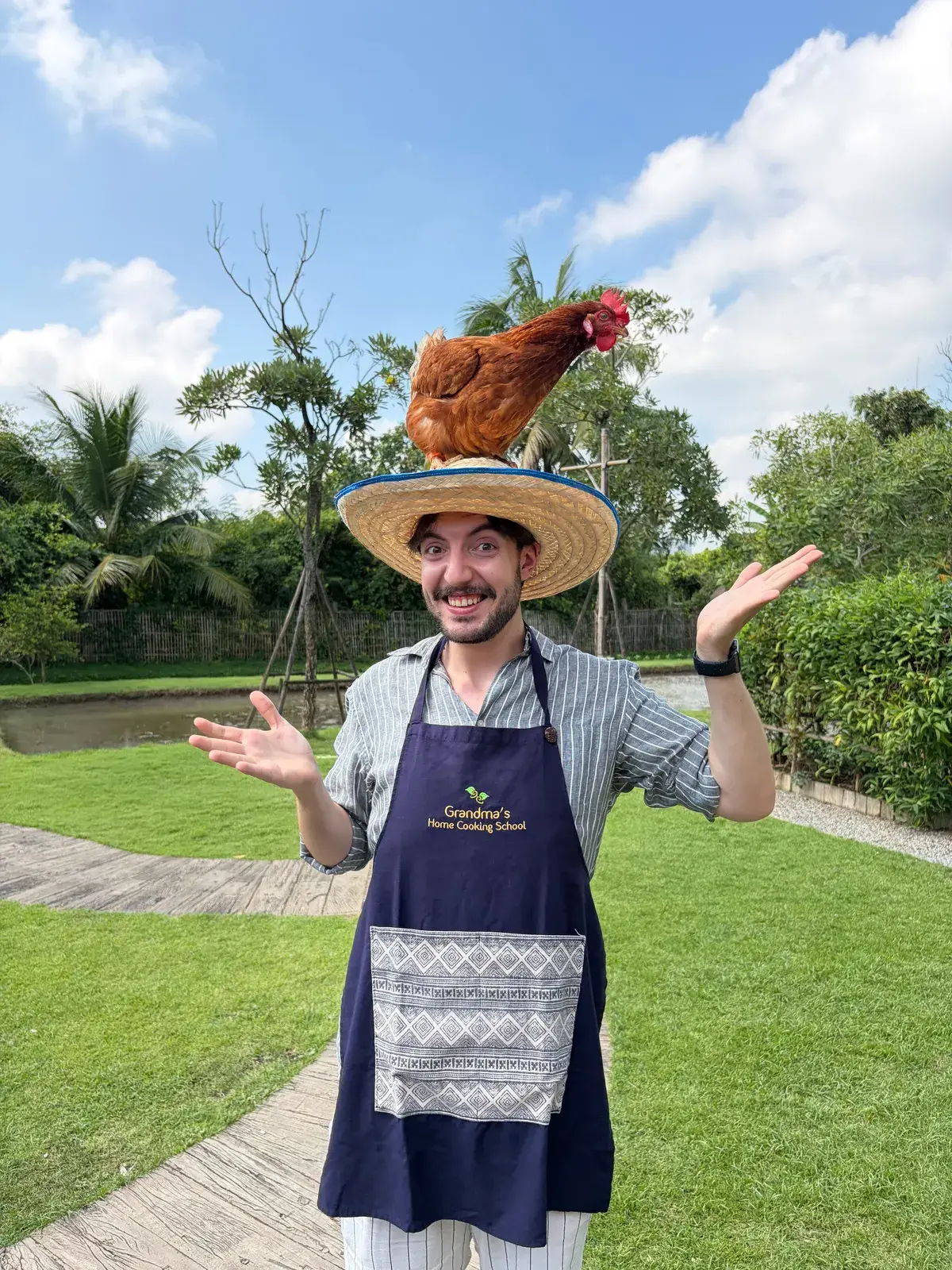
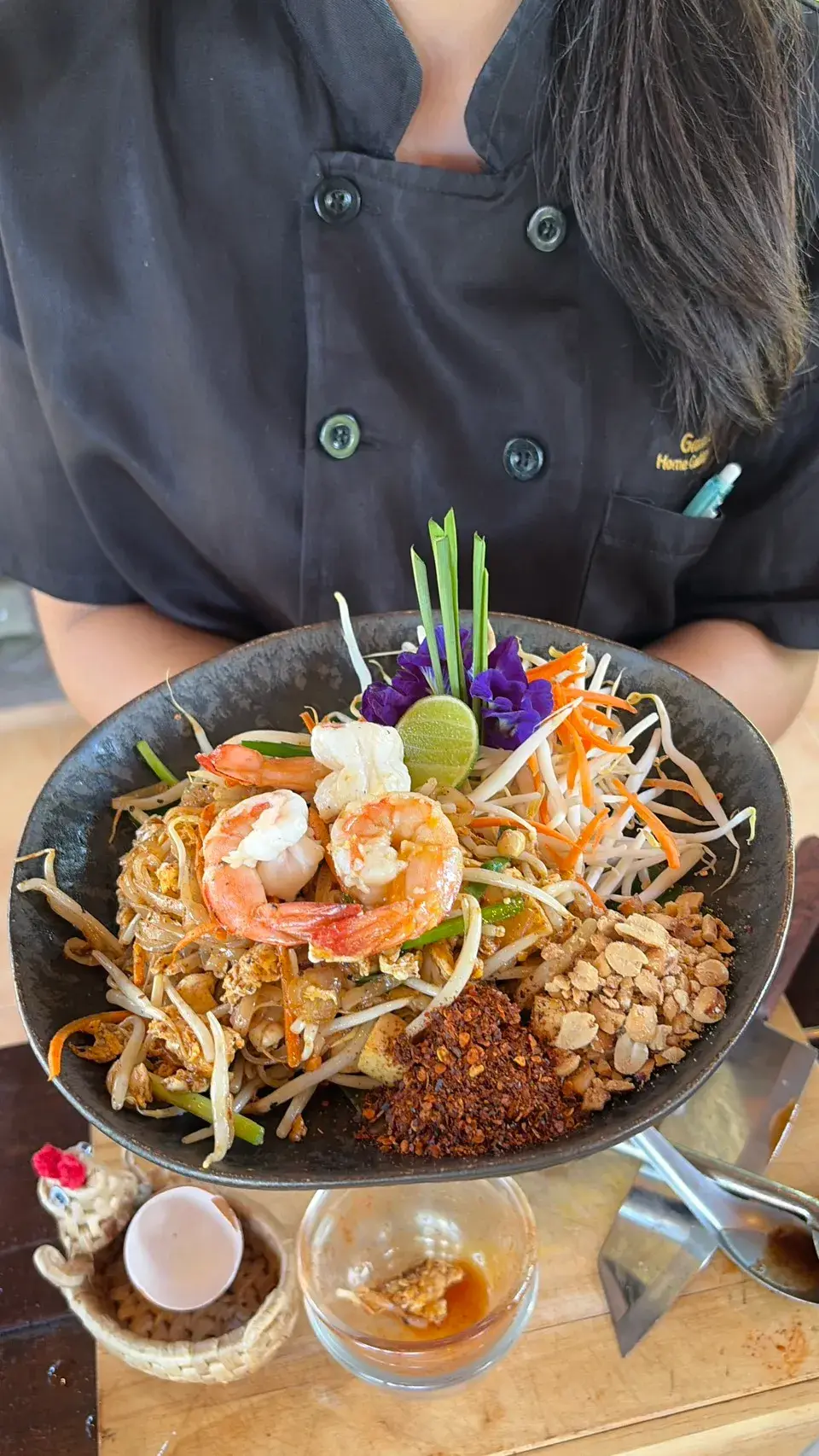
Before we cooked, the team asked about allergies so they could account for ingredients and help us choose suitable dishes. They showed us every ingredient and explained what went into each dish, which is exactly what you want when you’re checking for an allergen. I do not eat pork, and my dish choices reflected that. We made chicken pad thai and tom yum soup with shrimp, had Thai iced tea, and finished with mango sticky rice. I do not eat coconut either, so they prepared my dessert without it.
What I appreciated was being asked before we started, then seeing my restrictions reflected in what we made. Pork and coconut are dietary restrictions for me; this visit was not a test of how the school manages a severe food allergy. Contact the school before booking to discuss your specific allergens, prepared sauces, substitutions, and shared equipment.
Waterfalls, a retreat, and an evening in the Old City
I also visited Sticky Waterfalls, which was fantastic. This is the activity booking link from my trip; check the listing for the current itinerary and inclusions.
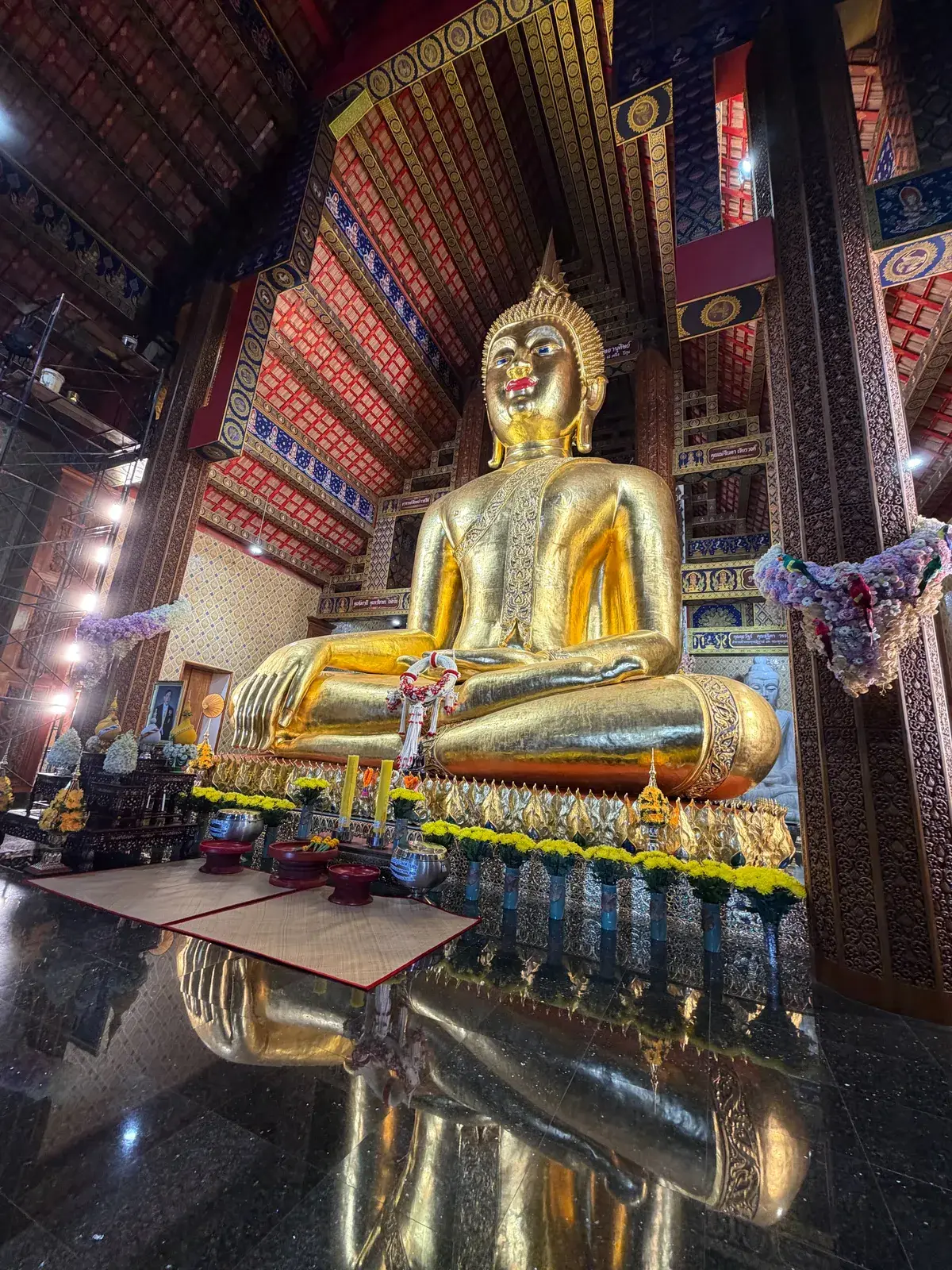
Another part of the trip was a retreat day pass with an ice bath, sauna, and swimming pool. I also joined an evening walking tour to learn some of Chiang Mai’s history. Visiting temples in the Old City gave that evening a different focus from the cooking and waterfall outings.
Those were the experiences that shaped my visit. The food questions below are still worth taking with you: a welcoming conversation and a good meal on one trip do not establish what a kitchen can accommodate on your own visit.
Northern Thai dishes and their ingredient questions
Chiang Mai's food identity is distinct from Bangkok's. Lanna cooking uses fewer coconut-milk curries and more herbal, fermented, and roasted flavors, which changes the allergen picture in specific ways. Khao soi, the city’s best-known dish, is the big exception.
- Khao soi, egg noodles in a curry broth usually made with coconut milk. Some versions include crushed peanuts as a topping or in the curry paste, and many pastes use shrimp paste (kapi). Ask for the actual recipe, whether peanuts or shrimp paste were cooked into the base, and whether the noodles, broth, garnish, and serving tools are separate. I skipped it on my trip: I avoid coconut, and the coconut milk is part of the broth, not something a vendor can leave out.
- Sai oua, northern-style herbed sausage. Recipes vary by vendor; some include ground peanuts or shrimp paste in the binding. Worth asking about directly rather than assuming.
- Nam prik ong, a tomato and pork chili dip. Ask whether it contains kapi or another shrimp product, peanuts, nuts, and shared serving utensils.
- Gaeng hang lay, a Burmese-influenced pork curry. Recipes vary; ask about curry paste, peanuts, nuts, shrimp products, and any ingredients relevant to your allergy.
- Khan toke dinners, traditional multi-dish set dinners aimed at tourists. Convenient culturally, harder to control for allergies since you're served a fixed spread rather than ordering individual dishes.
Where to eat: markets, restaurants, and cafes
The Sunday Walking Street and the Chiang Mai Night Bazaar are the two biggest food destinations for visitors, and both are stall-based, meaning every vendor is a separate kitchen with separate practices. That's higher variability than a single restaurant kitchen, in both directions: some stalls will happily customize, others won't have the English or the flexibility to.
Chiang Mai has many cafes, including around Nimman, but menus, staff knowledge, and kitchen procedures vary. A Western-style menu may make the conversation easier; it does not guarantee that sauces, bread, shared fryers, or preparation surfaces are suitable.
For packaged food, supermarkets and convenience stores may offer products with labels you can inspect. Stock changes, so read the product in front of you and keep a backup meal rather than relying on one named branch or a product you have not checked.
For old town and market dining, a written Thai-language allergy card does more work than English ever will, since it removes the language gap between you and the person actually cooking, not just the person taking your order.
Build a Thai-language allergy card before you eat your first meal in Chiang Mai.
Make your Thai allergy cardEmergency healthcare in Chiang Mai
The hospitals below are planning starting points, not a ranking or guarantee of current service. Confirm emergency access, language support, phone numbers, payment arrangements, and the route from your accommodation before relying on either facility.
Chiang Mai
88/8 Moo 6, Nong Pa Khrang, Muang Chiang Mai. Bangkok Hospital lists a 24-hour trauma and emergency service and international-patient support; confirm current access directly.
Emergency: +66 52 089 888 (hotline 1719)
8 Boonruangrit Road, Sri Phum. Long-established and commonly used by residents and expats. Confirm current emergency access and language support directly.
Emergency: +66 52 004 601 (main: +66 52 004 699)
For suspected anaphylaxis or difficulty breathing, follow your prescribed action plan, use prescribed epinephrine promptly, and call 1669 for emergency medical services. Do not delay care while choosing between named hospitals. Tell staff what happened, what medication you used, and when you used it; show your allergy card as a communication aid alongside your medication and action plan.
Frequently asked questions
Does khao soi contain peanuts?
It may. Some versions include crushed peanuts as a topping or in the curry paste. Ask about the actual recipe, whether peanuts were cooked into the base, and whether the noodles, broth, garnish, and serving tools are separate.
Does khao soi have shellfish or coconut?
Often, yes. Chiang Mai-style khao soi broth is usually made with coconut milk, which can't be left out of a bowl that's already made, and many curry pastes use shrimp paste (kapi), so it may contain shellfish even when no shrimp is visible. Peanuts can appear as a topping or in some pastes. Egg noodles and a crispy noodle topping add wheat and egg. Ask what is cooked into the paste and broth, not just what is on top.
How is northern Thai food different from Bangkok food for allergies?
The cuisines use different recipes, so the questions change from dish to dish. In Chiang Mai, ask about peanuts, kapi or other shrimp products, nuts, curry pastes, sauces, and shared equipment. No city-wide comparison can tell you whether a particular stall or restaurant can manage your allergy.
How should I plan emergency care in Chiang Mai?
Save the route to the nearest current emergency department from each accommodation, carry your prescribed medication and action plan, and check current contact details before travel. For a life-threatening reaction, follow your plan, use prescribed epinephrine promptly, and call 1669 for emergency medical services. Do not delay care while trying to reach a named private hospital.
This article is for informational and travel preparation purposes only and does not constitute medical advice. Always consult a qualified healthcare professional before traveling with a food allergy, and carry any prescribed emergency medication at all times. See our full medical disclaimer.