 AllergyPass
Hidden Allergens
in Taiwanese Food
Taiwanese dishes can hide peanuts, soy, sesame, shellfish, wheat, and egg in toppings, sauces, stocks, wrappers, and shared equipment. Here are the dishes that deserve a closer question before you order.
 Taiwan
Build a bilingual card before your Taiwan trip: Traditional Chinese plus English, listing your specific allergens.
Build My Taiwan CardIn this guide
Why Taiwanese food needs careful questions
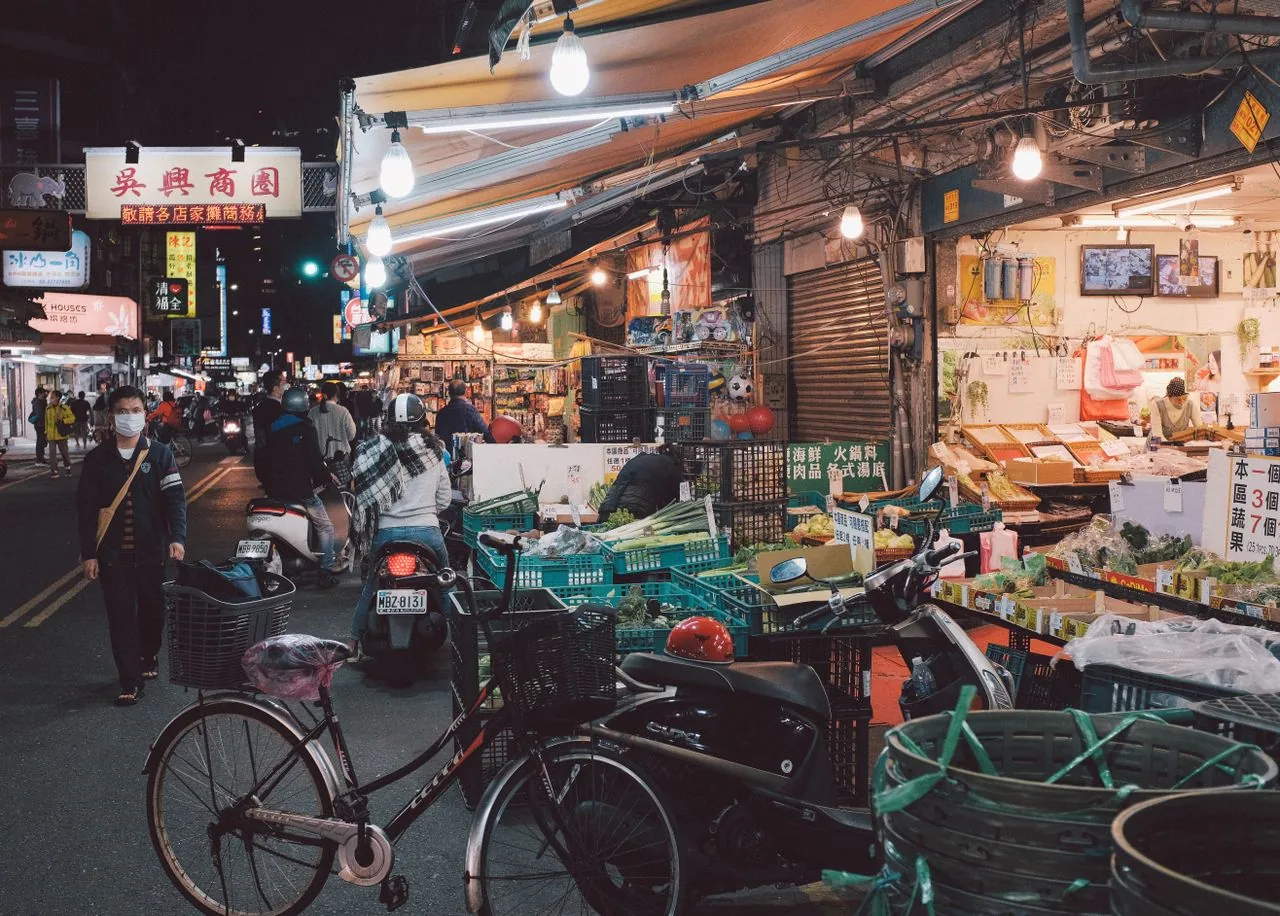
Night-market stalls may specialize in one or two dishes cooked to order in a shared fryer or wok. Orders move quickly, so ask before the food is started and show the card to the person preparing it. Peanut powder may be a topping or filling in some dishes, while sauces, stocks, oils, and equipment can add allergens that are not visible on the plate.
The practical approach is to ask about the recipe and preparation before you order rather than trying to spot an allergen after the food arrives. A card gives the vendor a written reference, but you still need a clear answer about the actual dish and equipment.
Peanuts: powder, sauce, and candy
Crushed peanut powder (huāshēng fěn) may be folded inside gua bao (braised pork buns), sprinkled over oyster vermicelli, or mixed into shaved ice with condensed milk and fruit. Peanut sauce may accompany skewered meat at some night markets. Ask about huāshēng, peanut candy, sauces, toppings, and shared utensils before ordering.
Soy: sauce, tofu, and soy milk
Soy sauce and soy products appear in many Taiwanese dishes, including braises, stir-fries, marinades, dipping sauces, tofu, and soy milk (dòujiāng). Ask about the sauce, stock, marinade, batter, and shared wok or fryer even when soy is not visible.
Sesame: oil and toppings
Sesame oil may be added to stir-fries, cold noodles, soups, and dipping sauces near the end of cooking. Sesame seeds may top breads and pastries. Ask whether the oil or seeds are used and whether the same brush, wok, or serving utensil is shared.
Shellfish: oyster omelet and seafood stalls
Oyster omelet (蚵仔煎) is built around fresh oysters cooked into an egg-and-starch batter with a sweet-savory sauce. It is not a suitable choice for someone avoiding shellfish; do not rely on a substitution request. At seafood stalls, ask about nearby equipment and shared oil before ordering another item.
Gluten and wheat: noodles, dumplings, buns
Beef noodle soup (niú ròu miàn) commonly uses wheat noodles in a soy-based broth. Dumplings and soup dumplings use wheat wrappers, and gua bao uses a wheat-based steamed bun. For wheat allergy or coeliac disease, ask about the noodle, wrapper, bun, broth, and preparation surface; a simple topping change will not answer the question.
Cross-contamination at night market stalls
A vendor may use the same fryer oil, wok, grill, mortar, brush, or serving utensils for several orders. Ask which equipment touches the dish and whether the sauce or stock is prepared separately. A sit-down restaurant or food court may give you more time to ask, but the setting is not proof of separate preparation.
Where each allergen appears
Sources and food-safety notes
- Taiwan Food and Drug Administration: Regulations Governing Food Allergen Labeling — Taiwan requires eleven allergens to be declared on prepackaged food, including crustacean shellfish, peanuts, sesame seeds, gluten-containing cereals and soybeans. It does not reach a night-market stall cooking to order, which is exactly why the questions in this guide matter.
Frequently asked questions
How should I check Taiwanese food for peanuts?
Ask about peanut powder, peanut candy, sauces, toppings, and shared equipment. Peanuts may appear in gua bao, oyster vermicelli, shaved ice, or sauces for skewered meat, and the powder may be hidden inside a folded bun or mixed into a dessert. Show a Traditional Chinese card and confirm the actual preparation before ordering.
Does oyster omelet contain shellfish?
The dish is built around oysters, so it is not a suitable choice for someone avoiding shellfish. Oyster omelet (蚵仔煎, ô-á-chian) also includes an egg-and-starch batter and a sauce; do not rely on a substitution request to make the dish appropriate.
What allergens are common in Taiwanese night market food?
Peanut powder may appear in gua bao, oyster vermicelli, and shaved ice; soy sauce and soy products are common in savory dishes; sesame oil is used in some stir-fries and noodle dishes; oyster omelet is built around shellfish; and wheat is common in beef noodle soup, dumplings, buns, and breads. Ask about the sauce, stock, topping, fryer, and utensils.