 AllergyPass
Taiwan Food Allergy
Travel Safety Hub
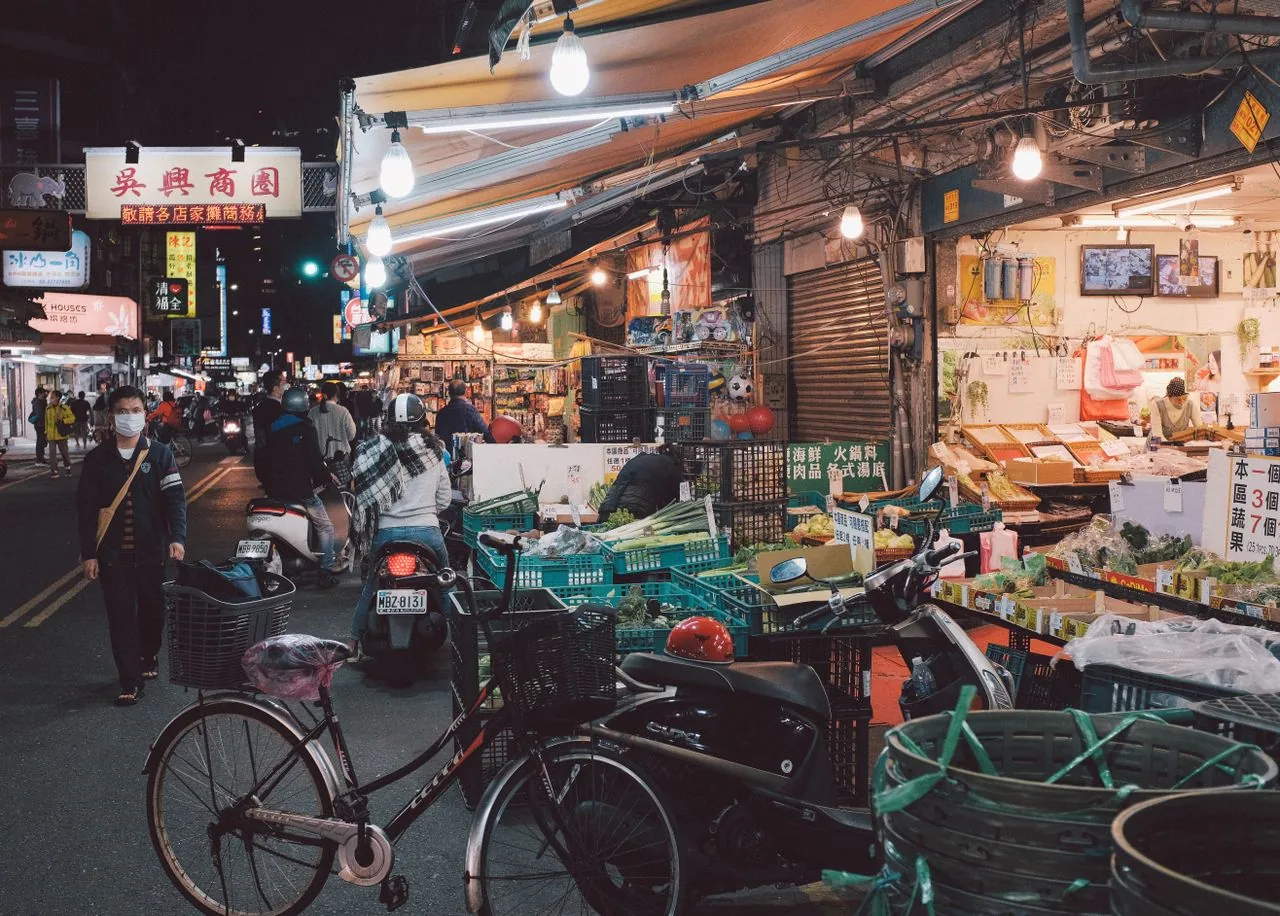
Taiwan's night markets bring together dishes where peanut powder, soy, sesame, wheat, egg, fish, and shellfish may be part of the sauce, topping, stock, or shared equipment. This hub gives you the questions to ask before ordering and the preparation steps to take before you travel.
 Taiwan
Before you board, prepare a Traditional Chinese card that names your allergens and the questions you need the vendor or kitchen to answer.
Build My Taiwan Allergy CardIn this hub
Understanding Taiwanese food allergens
Taiwan's food-allergy questions often start with peanuts, soy, and sesame. Peanut powder may appear on gua bao (braised pork buns), oyster vermicelli, and shaved ice; soy sauce and soy products appear in many savory dishes; and sesame oil is used in some stir-fries and noodle soups. Fish, shellfish, wheat, and egg also need dish-specific checks.
Night markets add preparation questions. A stall may use a shared fryer, wok, mortar, brush, or serving utensil, and the person taking the order may not be the person cooking. Show the Traditional Chinese card to the person preparing the food and ask what is in the dish and what equipment it uses.
Taiwan questions at a glance
- Peanuts: Ask about peanut powder, peanut candy, sauces, toppings, and shared utensils.
- Soy: Ask about soy sauce, tofu, soy milk, fermented sauces, stocks, and marinades.
- Sesame: Ask about sesame oil, seeds, paste, dressings, and shared woks or brushes.
- Shellfish: Ask about oysters, shrimp, crab, seafood stock, sauces, fryers, and utensils.
- Wheat/egg: Ask about noodles, dumpling wrappers, batters, coatings, and egg wash.
Key phrases in Mandarin Chinese
A written card carries the detail, while a short spoken phrase can open the conversation. "Wǒ duì huāshēng guòmǐn" (我對花生過敏, "I'm allergic to peanuts") names a peanut allergy. More generally, "Wǒ yǒu shíwù guòmǐn" (我有食物過敏, "I have a food allergy") signals that the request is medical. Point to the card and ask the person preparing the food to confirm the recipe and equipment.
Night markets and shared cooking equipment
Night market stalls may serve one or two dishes cooked to order in a fryer or wok shared with other orders. Ask whether the oil, wok, grill, mortar, brush, and serving utensils are shared, and whether the sauce or stock is prepared in advance. A sit-down restaurant or food court may give you more time to ask questions, but its menu or setting is not proof of safe preparation.
For packaged food, the Taiwan FDA's current rules require allergen labeling for 11 listed allergens, including crustacean shellfish, peanuts, sesame, milk, egg, tree nuts, gluten-containing cereals, soy, fish, mango, and qualifying sulfites. This applies to the specific packaged product; it does not tell you how a night-market dish was cooked. Read the label on the item itself and check the Taiwan FDA allergen-labeling guidance before relying on packaged food.
Food safety guides
A dish-by-dish breakdown of peanut, soy, sesame, shellfish, wheat, and egg questions in Taiwanese food.
Language guideEvery allergen in Simplified and Traditional Chinese with pinyin, plus the exact phrases to say and show at any restaurant.
City guides
City-specific guides for Taiwan are not yet available. Check back soon for detailed food allergy guides for Taipei, Taichung, and other major cities.
Accommodation
Before booking accommodation, ask whether it can store medication appropriately, explain meal ingredients, prepare food for your allergens, and help you reach current emergency care. Get the answer in writing when possible and keep a backup meal plan.
Experiences
For night markets and food tours, carry the card, ask each vendor about the actual preparation, and do not assume a tasting or cooking demonstration can be modified. Keep prescribed medication with you rather than leaving it at the hotel.
Getting around Taiwan
Moving between Taiwanese cities can make meal timing and medication planning harder. Keep medication accessible, carry a backup snack you can verify, and leave enough time to ask questions instead of making a rushed food decision. Search trains, buses, and ferries between Taiwanese cities below.
Showing your allergies in Traditional Chinese
A card written in Traditional Chinese is a communication aid. It can name your allergens and derivative ingredients in a format you can show at a busy counter, but it cannot confirm a recipe, prevent cross-contact, or replace your own decision about whether the answer is clear enough.
Build your Taiwan allergy card for travel in Traditional Chinese and English. Print one copy for your wallet, save a digital version on your phone, and show it before you order at every night market stall, restaurant, and food court.
Want to learn the allergen words yourself, not just carry a card? See the full Traditional Chinese food allergy phrasebook.
Emergency
119: Ambulance and fire
110: Police
Before travel: Save these numbers and your insurer's assistance line offline
For a serious allergic reaction, follow your clinician's action plan, use prescribed emergency medication promptly, and call 119 for an ambulance. Do not delay care while trying to reach a particular hospital. Use your written card to communicate the allergy while help is arranged. Check the Taiwan Tourism Administration's current emergency-number listing before travel because local details can change.
Travel insurance
Check three things before you buy a policy for a Taiwan trip: does it cover emergency anaphylaxis treatment, does it exclude food allergies as a pre-existing condition, and does it include medical evacuation with a clear coverage limit if you're traveling to more remote areas like Taroko Gorge or the east coast.
SafetyWing Nomad Insurance is one policy to compare, but its documentation does not name food allergies or anaphylaxis. Review the pre-existing-condition and evacuation terms and get written clarification before buying.
Pre-trip checklist
Get the full pre-trip checklist and destination guides in your inbox
Subscribe →Complete pre-trip checklist for food allergy travel is available in our free food allergy travel checklist guide.
Frequently asked questions
How should I plan a Taiwan trip with a food allergy?
Plan around the actual dish and the way it is prepared. Peanuts, soy, sesame, wheat, egg, fish, and shellfish may appear in night-market food, sauces, stocks, toppings, and shared equipment. Carry a Traditional Chinese card, ask the vendor to confirm the recipe and preparation area, carry your prescribed medication, and check insurance and current emergency guidance before travel.
What are the most common allergens in Taiwanese food?
Peanut powder may appear on gua bao, oyster vermicelli, and shaved ice; soy sauce and soy products appear in many savory dishes; sesame oil is used in some stir-fries and noodle dishes; shellfish appears in dishes such as oyster omelet; and wheat is common in beef noodle soup and dumplings. Ask about the actual recipe, sauce, stock, topping, fryer, and utensils.
Should a Taiwan allergy card use Traditional Chinese?
Traditional Chinese is the appropriate script for Taiwan. A card written in Traditional Chinese can show the allergen and the questions you need answered, but it does not remove the need to confirm the dish with the vendor. Add English for travel companions or accommodation staff when useful.
Does gua bao contain peanuts?
Gua bao may be served with peanut powder or another peanut topping, but recipes vary. Ask about the bun, braised pork, pickled vegetables, peanut powder, sauce, and shared preparation surfaces before ordering.