 AllergyPass
Kuala Lumpur Food Allergy
Travel Guide
Malay, Chinese-Malaysian, Indian-Malaysian, and Nyonya cooking sit side by side in KL, sometimes in the same food court. This guide focuses on the ingredients that need questions, how to screen hawker stalls and restaurants, and how to prepare a card in Malay before you arrive.
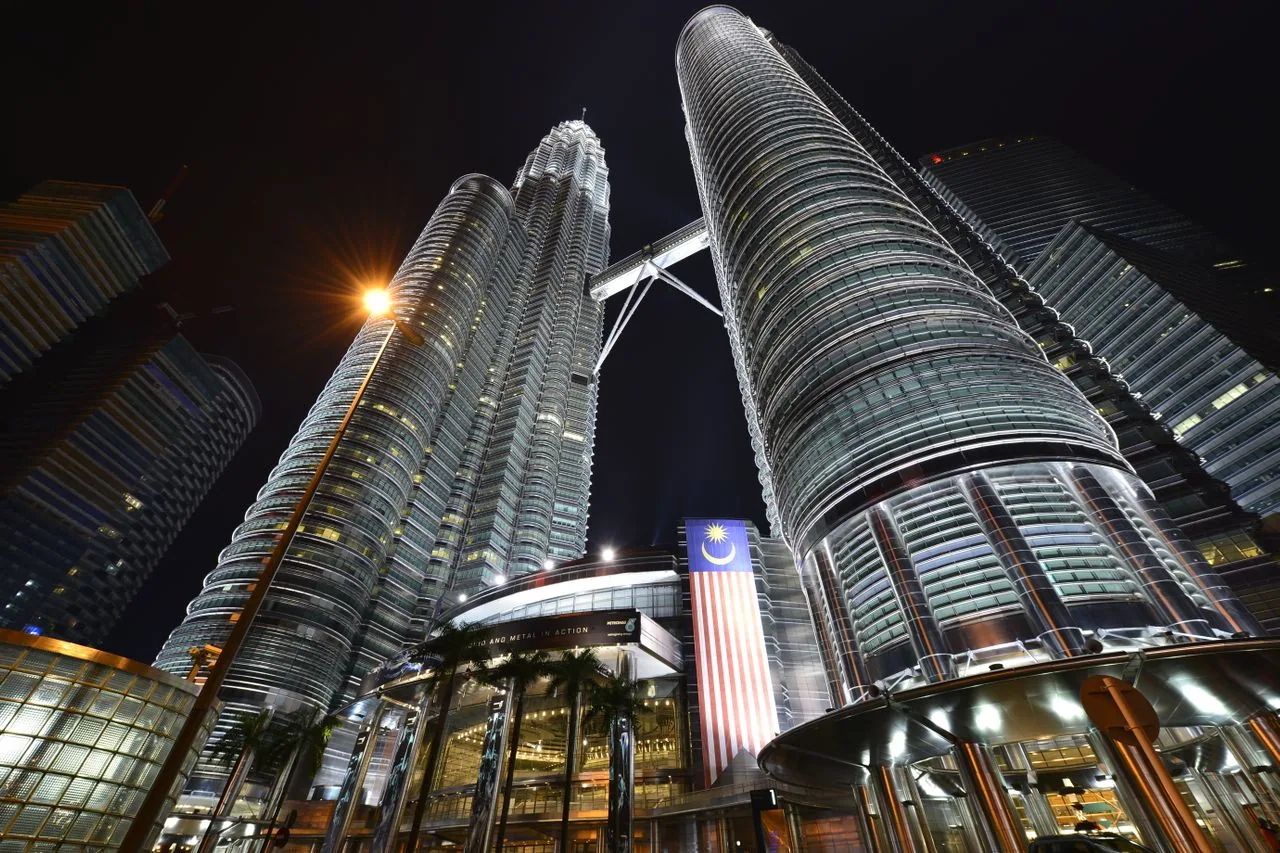 Kuala Lumpur, Malaysia
One useful preparation step for KL: build and save your Malay-language allergy card before you land.
Build My KL Allergy CardThe Kuala Lumpur allergen problem in plain terms
KL's food scene brings several traditions together, but none can be reduced to one allergen rule. Some Malay sambal and flavor bases use belacan or peanuts; some Chinese-Malaysian noodle dishes use shellfish, dried shrimp, soy, or oyster sauce; and Indian-Malaysian breads and curries may involve wheat, dairy, egg, mustard, or tree nuts. These are questions to ask about the recipe, not guarantees about every dish in a cuisine.
The practical result: the same allergen question can get a different answer at a Malay stall, a Chinese-Malaysian coffee shop, and a mamak restaurant, even in the same food court. A written Malay card can make the request clearer and name derivatives, but staff still need to confirm the dish and preparation.
KL's core hidden allergens by cuisine
- Belacan (shrimp paste): may be blended into sambal and other flavor bases; ask about the actual sauce
- Peanut sauce: commonly accompanies satay and may appear in rojak or other salads
- Dried shrimp / shellfish stock: may flavor char kway teow and other Chinese-Malaysian noodle dishes
- Ghee, dairy, wheat, egg, and tree nuts: ask about breads, curries, marinades, and desserts
Related guides
These guides cover the country-wide allergen picture, hawker centre risk, and where to stay across KL and the rest of Malaysia.
The full country-level breakdown: Malay, Chinese, and Indian cuisines, hidden allergens, and key phrases in Malay.
Hawker centres & toursHawker centre navigation, cooking classes, and food tours that accommodate dietary restrictions in KL and Penang.
Accommodation guideNeighborhood comparisons across KL and Penang by transport, food access, and practical planning questions.
Airport guidePharmacy locations, the on-site clinics, the nearest hospital, and how to get from KLIA into Kuala Lumpur.
Language guideEvery major allergen written in Malay with pronunciation, and the phrases to show at a hawker stall.
Sibling cityGeorge Town's hawker-dense street food scene has its own allergen and neighborhood profile. The Penang-specific guide.
Your Kuala Lumpur allergy card
A written Malay-language allergy card gives a food request a consistent starting point across stalls and restaurants. Include derivatives such as belacan, ghee, dried shrimp, peanut oil, or sauces when they matter to your allergy, then ask staff to confirm the actual dish.
Where to stay
Bukit Bintang and KLCC offer dense restaurant, mall, hotel, and transport options, but convenience does not guarantee allergy-aware kitchens. Bangsar is a quieter, more residential option with cafés and restaurants. Choose the base that makes your transport, food backups, medication storage, and route to current emergency care easiest; confirm hotel kitchen arrangements directly.
Frequently asked questions
Is Kuala Lumpur safe for food allergy travelers?
There is no destination-wide safety guarantee for food allergies in Kuala Lumpur. Malay, Chinese-Malaysian, Indian-Malaysian, and Nyonya dishes use different sauces and flavor bases, and each venue has its own preparation practices. Use a written Malay card, ask about the exact dish and equipment, keep prescribed medication accessible, and leave when staff cannot answer clearly.
What is the biggest hidden allergen risk in KL specifically?
Belacan, fermented shrimp paste, is an important question for shellfish-allergic travelers because it can be blended into sambal and other sauces. Peanuts in satay sauce and dried shrimp or shellfish flavor bases in some Chinese-Malaysian noodle dishes are other examples. Confirm the recipe, sauce, stock, oil, and garnish for the dish being prepared.
Which hospital serves KL's main tourist areas?
No single hospital serves every tourist area. Before arrival, save the nearest emergency department and its current direct number using a reliable map or hospital directory. In a serious reaction, follow your personal emergency plan and call Malaysia's 999 emergency service rather than relying on a restaurant or hotel to choose a hospital.