 AllergyPass
Penang Food Allergy
Travel Guide
Penang and George Town are known for hawker food, including dishes such as asam laksa and char kway teow where important ingredients may be blended into broth, paste, sauce, or wok seasoning. This guide focuses on the questions that help you evaluate the actual stall and dish.
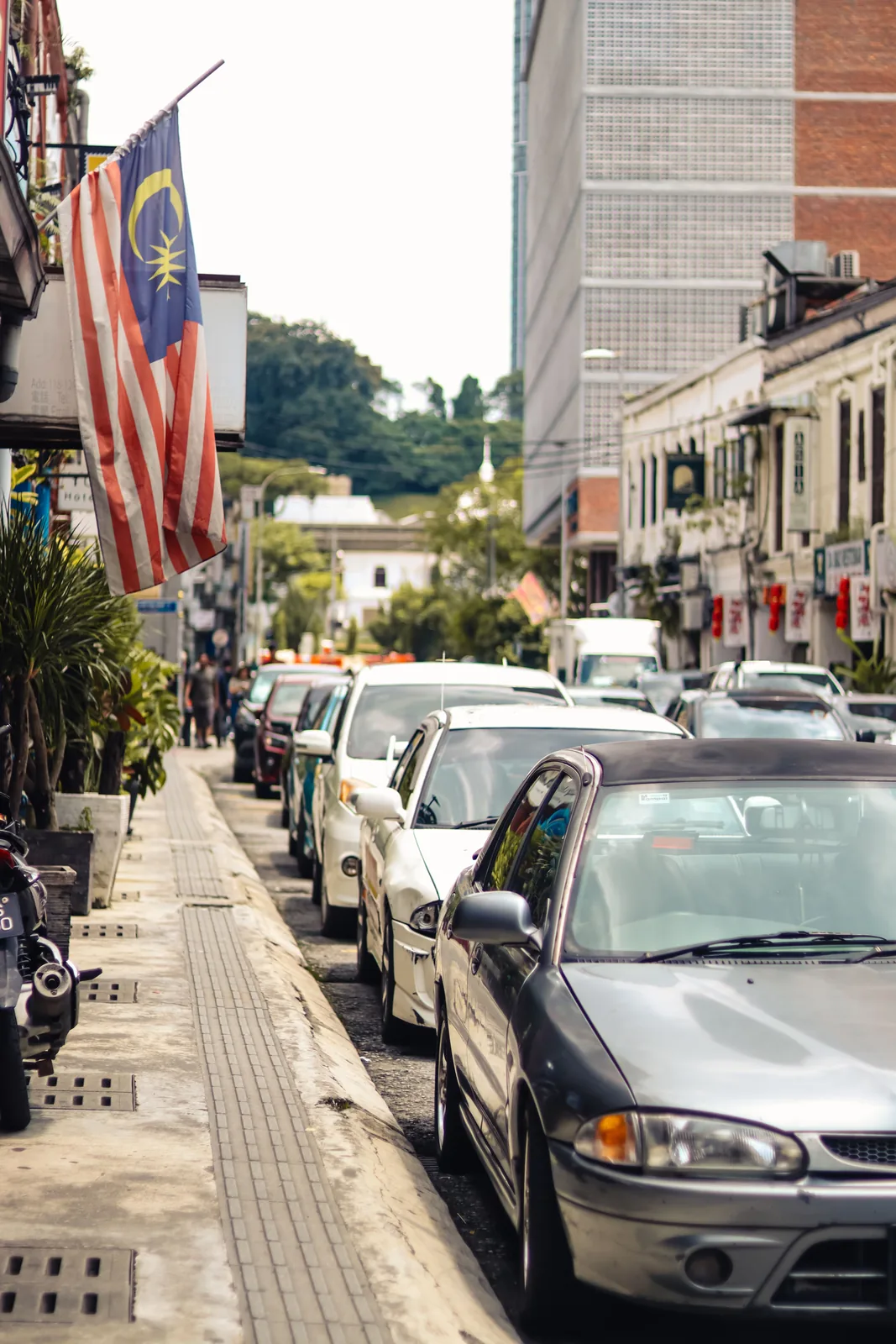 Penang, Malaysia
Shrimp paste doesn’t look like shrimp. A Malay card that names belacan, hae ko and dried shrimp asks about the ones you can’t see.
Make your Malay allergy cardThe Penang allergen problem in plain terms
Penang's signature dishes need recipe-specific questions. Asam laksa may use mackerel or other fish and shrimp paste, while char kway teow may use dried shrimp, shellfish, egg, soy, or shared wok equipment. The ingredients and preparation can vary by stall, so ask what is in the broth, paste, sauce, oil, garnish, and utensils for the order being prepared.
Hawker stalls can be harder to assess when orders turn over quickly, woks or grills are shared, and staff use different languages or levels of English. A written Malay card can make the request clearer and ask about shared cooking surfaces, but staff still need to confirm the actual dish. Leave if the answer is uncertain.
Penang's core hidden allergens
- Asam laksa broth: usually built on mackerel or other fish, and often finished with hae ko, a thick black prawn paste stirred in or drizzled on top
- Char kway teow: may use dried shrimp, shellfish, egg, soy, or shared wok and utensil equipment
- Belacan (shrimp paste): may be blended into sambal served with nasi kandar and other dishes
- Peanut sauce: commonly served with satay and may appear in rojak, which is also commonly dressed with hae ko (prawn paste)
What I noticed in Penang
I spent time in Penang in November 2025, staying near George Town and trying as much of the food as I could. Honestly, it wasn’t my favourite food city; I prefer Thailand’s. I don’t have a food allergy, but I don’t eat pork or coconut, so I was asking questions at most meals.
The shrimp I didn’t see. I had laksa without the coconut cream and thought I knew what was in it. I didn’t realise until later how much shrimp runs through Penang food: belacan in sambal, hae ko in asam laksa and rojak, dried shrimp in char kway teow. None of it looks like shrimp on the plate. If shellfish is your allergy, this is the thing to ask about first, at every stall.
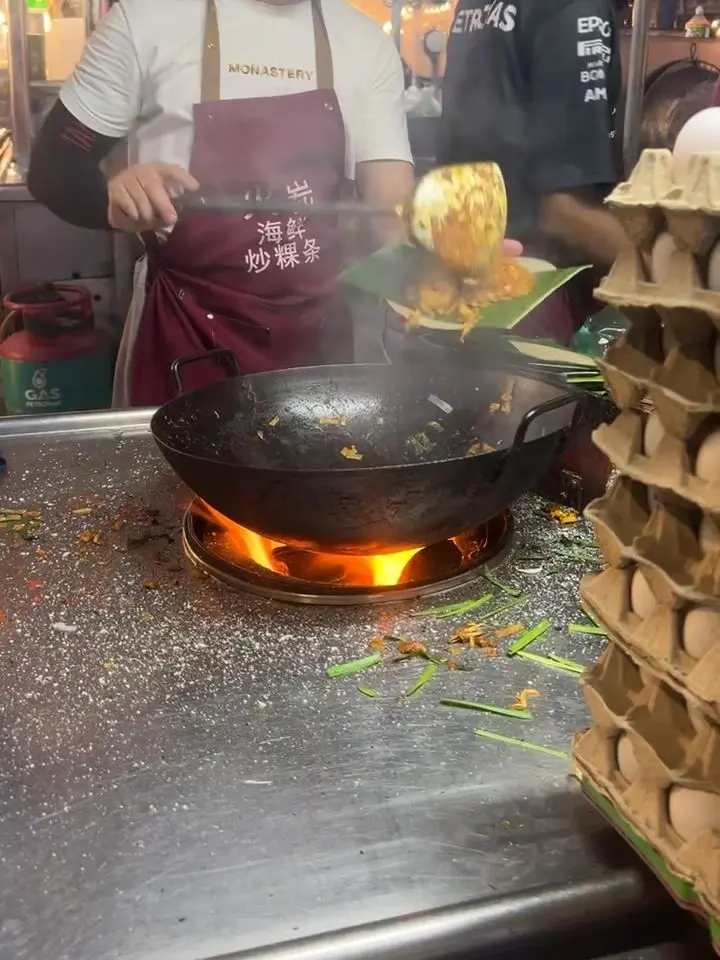
English depends on where you eat. Most restaurants and cafés spoke very good English. The hawker centres didn’t, and it was mostly Malay, some English and a fair amount of pointing. Hawker stalls are exactly where the hidden ingredients are, so that is where a written Malay card does the most work.
Having a fallback helps. No pork was easy to manage, and on the days when a hawker centre felt like too many unknowns, I went to a café instead. Several did pizza with beef pepperoni. It’s not the reason anyone flies to Penang, but a sit-down place with an English-speaking kitchen is a sensible backup when you can’t get clear answers at a stall.
Related guides
These guides cover the country-wide allergen picture, hawker centre navigation, and where to stay across Penang and the rest of Malaysia.
The full country-level breakdown: Malay, Chinese, and Indian cuisines, hidden allergens, and key phrases in Malay.
Hawker centres & toursHawker centre navigation, cooking classes, and food tours that accommodate dietary restrictions in Penang and KL.
Accommodation guideNeighborhood comparisons across Penang and KL by transport, food access, and practical planning questions.
Sibling cityKL's allergen profile leans more on Malay, Chinese, and Indian restaurant dining than hawker food. The KL-specific guide.
Your Penang allergy card
A written Malay-language allergy card gives your request a consistent starting point at Penang's stalls and restaurants. Include derivatives such as belacan, dried shrimp, fish stock, peanut oil, or sauces when they matter to your allergy, then ask staff to confirm the actual dish and equipment.
You can make a Malay-English allergy card with AllergyPass ($7.99 one-time for one language). It arrives by email, so save it to your phone before you land.
Where to stay
George Town's heritage core puts you near many hawker stalls and cafés, which may suit travelers who want to walk between venues but also requires careful screening. Gurney Drive and other hotel-dense areas may make transport and food planning easier for some itineraries. Choose based on transport, food backups, medication storage, and your route to current emergency care; confirm hotel kitchen arrangements directly.
Frequently asked questions
Is Penang street food safe for people with food allergies?
Penang's hawker stalls can be difficult to evaluate because dishes such as asam laksa and char kway teow may build fish, shellfish, or dried shrimp into a broth, paste, sauce, or wok. Show a written Malay card, ask about the exact recipe and shared surfaces, and confirm with each stall rather than assuming a whole hawker centre follows one rule.
Does Penang food contain hidden shrimp?
Often, yes. Belacan (fermented shrimp paste) is blended into many sambals, hae ko (a thick prawn paste) is stirred into asam laksa and dresses rojak, and dried shrimp goes into char kway teow and other fried noodles. None of these look like shrimp on the plate. If you have a shellfish allergy, ask about shrimp paste and dried shrimp by name at every stall, ideally with a written Malay card.
What is the biggest hidden allergen risk in Penang specifically?
Asam laksa may use mackerel or other fish and shrimp paste, while char kway teow may use dried shrimp, shellfish, egg, soy, or shared wok equipment. These are examples to ask about, not universal recipes; confirm the actual broth, paste, sauce, oil, and utensils.
Which hospital serves George Town's tourist areas?
No single hospital serves every visitor or neighborhood. Before arrival, save the nearest emergency department and its current direct number using a reliable map or hospital directory. In a serious reaction, follow your personal emergency plan and call Malaysia's 999 emergency service rather than relying on a restaurant or hotel to choose a hospital.
Eating in Penang with a food allergy?
Make a Malay-English card that names shrimp paste, dried shrimp and your other allergens, then show it at the hawker stall before you order.
Make your Malay allergy card- ✓ Malay + English
- ✓ Names hidden shrimp paste
- ✓ Works offline
This article is for informational and travel preparation purposes only and does not constitute medical advice. Always consult a qualified healthcare professional before traveling with a food allergy, and carry any prescribed emergency medication at all times. See our full medical disclaimer.