 AllergyPass
Bangkok Food Allergy
Travel Guide
Fish sauce is common in savory cooking. Shrimp paste appears in some curry pastes and dips. Peanuts and dried shrimp show up in particular dishes such as pad thai. Bangkok is challenging for allergy travelers, but the right questions and a written Thai card make a practical eating plan possible.
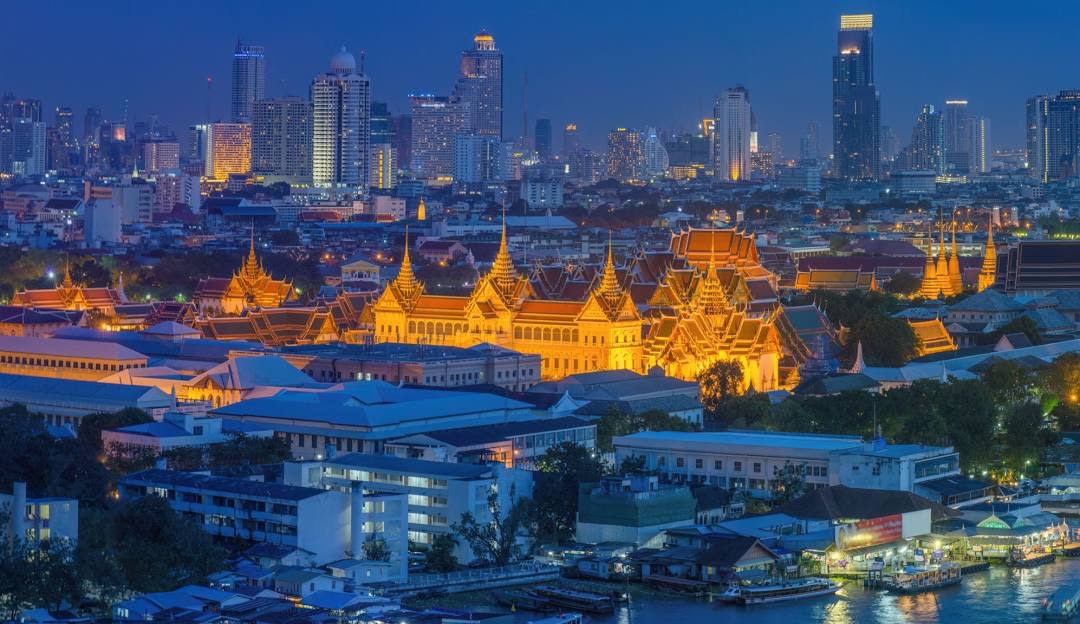 Bangkok, Thailand
The single most important preparation step for Bangkok: build your Thai-language allergy card before you land.
Build your Thai allergy cardIn this hub
The Bangkok allergen problem in plain terms
Thai cooking often hides allergen risk in sauces, pastes, garnishes, and shared equipment. Nam pla (fish sauce) is a common savory seasoning; kapi (shrimp paste) appears in some curry pastes, nam prik, and regional recipes; and peanuts or dried shrimp appear in dishes ranging from pad thai to larb. Ask about the actual recipe rather than assuming from a dish name.
The implication for travelers: a verbal "no peanuts please" at a Bangkok restaurant often fails not because the server is careless, but because the kitchen is simultaneously managing high volume, the server may not communicate derivative ingredients to the kitchen, and the baseline assumption is that ingredient modification is not the norm. A written Thai-language card that specifies exactly what your allergy covers, including derivatives, changes that dynamic.
Bangkok's three core hidden allergens
- Fish sauce (nam pla): fermented fish, common in savory Thai cooking and used in many sauces
- Shrimp paste (kapi): fermented shrimp, used in some curry pastes, nam prik, and regional dipping sauces
- Peanuts (thua lisong): garnish and base ingredient in pad thai, satay, larb, many salads
Food safety guides
These guides cover the specific allergen risks in Thai cooking and how to navigate them at restaurants and street food stalls.
A practical breakdown of fish sauce, shrimp paste, peanut oil, and derivatives across common Thai dishes.
Peanut allergyWhere peanuts hide in Thai cooking beyond the obvious. What to order, what to avoid, how to communicate.
Street food safetyHow to screen a stall, ask about shared equipment, and decide when the vendor cannot verify the preparation.
Complete referenceThailand-wide ingredient questions, Thai phrases, supermarket planning, restaurant scripts, and preparation checklists.
Your Bangkok allergy card
A written Thai-language allergy card is the single most effective tool you have in Bangkok. It removes the verbal translation layer between what you say in English and what the kitchen understands in Thai. It names derivative ingredients alongside the primary allergen. And it communicates severity in a way a verbal request often cannot.
AllergyPass builds multilingual allergy cards in Thai and English, formatted specifically for restaurant use. Generate yours before you land, print a copy, and save a digital version on your phone home screen.
Arriving at Suvarnabhumi Airport
What you eat, where the pharmacy is, and how you get into the city all get decided in the terminal before you've picked a neighborhood. It's worth planning that first hour separately from the rest of the trip.
Where to stay
Neighborhood choice affects your routine, but it does not certify a kitchen. Compare Lower Sukhumvit, Silom, Siam, and Riverside by the food you can arrange each day, the hotel's kitchen, transport, supermarket access, and the route to medical care.
Experiences
A food allergy does not mean sitting out Bangkok's food scene. Cooking classes put you in control of every ingredient before it goes into the wok, and food tour operators vary widely in how well they can accommodate a real allergy versus a general dislike.
Bangkok food tours for allergy travelers: how to screen tour formats and operators for recipe questions, shared equipment, and cross-contact.
Read the guide →Emergency healthcare in Bangkok
1669: National EMS (ambulance)
191: Police
1155: Tourist Police (English-speaking)
For a serious allergic reaction, use your prescribed epinephrine promptly, call 1669, and go to the nearest appropriate emergency department. Bangkok has private hospitals with international-patient services, but do not delay care while trying to reach a particular facility.
Bangkok
Sukhumvit Soi 3. Check the hospital's current emergency, contact, language, and payment information before relying on it in your plan.
New Phetchaburi Road. Review current emergency and international-patient information, and save the route from your accommodation.
Sukhumvit 49. Check current emergency, language, and contact details before departure; availability and procedures can change.
Emergency healthcare in Thailand: hospitals by city nationwide, what to say to staff, and how to prepare before you land.
Read the guide →Travel insurance
Before buying a policy, check the current wording for emergency anaphylaxis treatment, pre-existing conditions, exclusions, assistance requirements, evacuation, and payment or authorization procedures.
SafetyWing Nomad Insurance is one policy to compare. Read its current plan documents and ask the insurer in writing about food allergies, anaphylaxis, pre-existing conditions, and evacuation before buying; terms can change.
Pre-trip checklist
- Build your Thai-language allergy card and save both a digital and printed copy
- Save the 1669, 191, and 1155 emergency numbers offline
- Confirm your travel insurance covers anaphylaxis treatment and medical evacuation
- Pack two epinephrine auto-injectors in your carry-on, if prescribed
- Ask each hotel about the kitchen, shared curry bases, Thai card communication, and the medical route before booking
Read the full pre-trip checklist for a destination-agnostic version covering documents, medication, and packing.
Sources and current-contact notes
Recheck emergency numbers, hospital contact details, and transport conditions shortly before departure.
- Thailand's National Institute for Emergency Medicine: current 1669 emergency-service information.
Want the checklist as a printable download, plus new guides as they publish?
Free Food Allergy Travel Checklist →Frequently asked questions
How can I plan Bangkok travel with a food allergy?
Build a Thai-language allergy card, then ask about nam pla, kapi, dried shrimp, oyster sauce, peanuts, sauces, and shared equipment in the actual recipe. Choose accommodation by its kitchen, daily food routine, transport, and access-to-care plan rather than by a neighborhood ranking. Carry prescribed medication and save 1669 offline.
What are the main food allergy risks in Bangkok?
Ask whether the actual dish contains nam pla, kapi, dried shrimp, oyster sauce, peanuts, or peanut-containing sauces, and ask about shared woks and utensils. A written Thai-language allergy card is often more useful than verbal communication in a busy Bangkok restaurant.
How should I choose a Bangkok neighborhood with a food allergy?
Compare Lower Sukhumvit, Silom, Siam, and Riverside by your daily food routine, accommodation kitchen, transport, supermarket access, and route to medical care. Lower Sukhumvit may be convenient for some itineraries, but no neighborhood guarantees an allergy-capable kitchen or a fixed travel time to a hospital.