 AllergyPass
Da Nang Food Allergy
Travel Guide
Da Nang's central Vietnamese food includes seafood, fish sauce, shrimp paste, peanuts, sesame, and other ingredients that vary by dish and venue. This guide focuses on mi Quang, restaurant and market questions, accommodation choices, and practical preparation for short or long stays.
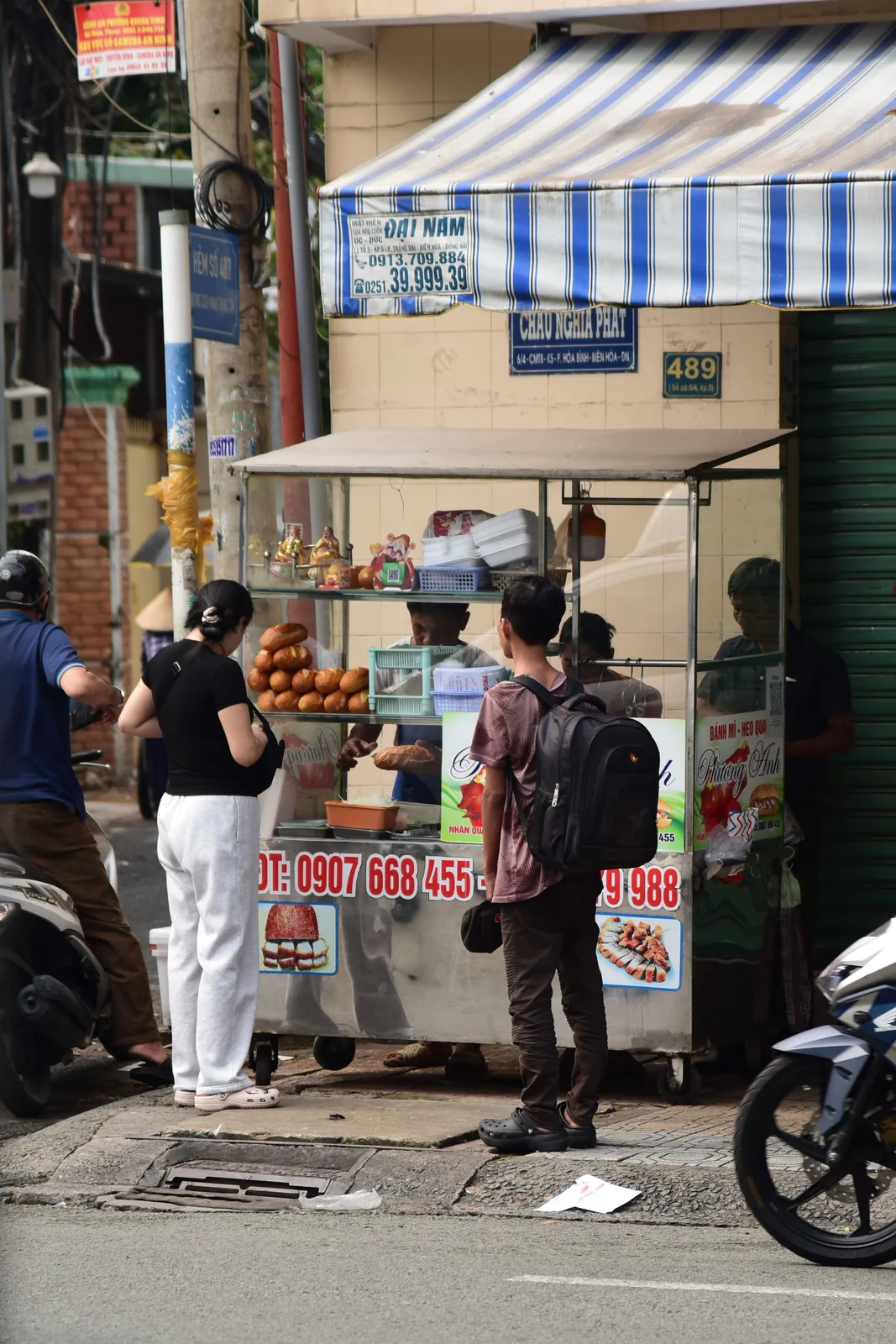 Da Nang, Vietnam
One useful preparation step for Da Nang: build and save your Vietnamese-language allergy card before you land.
Build My Da Nang Allergy CardThe Da Nang allergen problem in plain terms
Da Nang sits on Vietnam's central coast, and its local dishes often combine noodles, herbs, seafood, meat, broths, sauces, and crunchy toppings. Mi Quang may be served with shrimp, fish, pork, peanuts, herbs, and a small amount of broth. Ask what is in the toppings and seasoning for the bowl being prepared rather than assuming a standard recipe.
Other questions include nuoc mam (fish sauce), mam ruoc (a central Vietnamese shrimp paste), peanuts in noodle dishes and salads, sesame on grilled foods, and shared woks, grills, ladles, or chopping boards. These ingredients may be common examples, not universal rules; ask about the actual sauce, marinade, broth, garnish, and equipment.
Da Nang offers beach hotels, local markets, cafés, restaurants, and long-stay apartments. A tourist-facing venue may give you more time to ask questions, but a hotel name or international setting does not guarantee allergy controls. Screen the actual staff, kitchen, menu, and food-storage arrangements.
Da Nang's core hidden allergens
- Seafood and shrimp paste: may appear in mi Quang toppings, mam ruoc, dipping sauces, broths, and marinades
- Nuoc mam (fish sauce): may be used in marinades, broths, sauces, and dressings; ask where it was added
- Peanuts: may be used as a garnish or in sauces for noodles, salads, and snacks
- Sesame: may appear as a garnish or in seasoning for grilled dishes; confirm the oil and shared tools
Related guides
These guides cover the country-wide allergen picture, street food navigation, celiac travel, and Vietnam's northern capital guide.
Fish sauce, shrimp paste, peanuts, soy, wheat, and sesame: the full ingredient-by-ingredient breakdown with Vietnamese names.
Street foodHow to eat at Vietnamese stalls and markets with a food allergy, including shared-equipment risk and what to ask vendors.
CeliacSoy sauce, banh mi, and some noodles create gluten questions even in a rice-first cuisine, plus how to communicate celiac in Vietnamese.
Sibling cityThe Old Quarter's shrimp-paste-and-fish-sauce street food economy has its own allergen and neighborhood profile. The Hanoi-specific guide.
Sibling cityThe south leans on peanut sauce and shellfish more than fish sauce and shrimp paste. The Ho Chi Minh City-specific guide.
Your Da Nang allergy card
A written Vietnamese-language allergy card gives your request a consistent starting point in Da Nang's restaurants, markets, and hotels. Include derivatives such as mam ruoc, nuoc mam, peanut oil, or sesame when they matter to your allergy, then ask staff to confirm the actual dish and equipment.
Where to stay in Da Nang
The My Khe beach strip offers hotels, restaurants, cafés, and transport options, while other areas may suit travelers who want different food or apartment arrangements. Choose based on kitchen access, food storage, medication needs, daily routes, and access to current emergency care; do not treat a hotel corridor as a guarantee of allergy-aware service.
For longer stays, verify that a serviced apartment really has the kitchen equipment, refrigerator, cleaning arrangements, and shopping access you need. Cooking some meals may help you control ingredients, but it does not remove the need to check packaged labels or plan for restaurant meals and cross-contact.
Before arrival, save the nearest emergency department and its current direct number using a reliable map or hospital directory. Current Vietnam travel guidance lists 115 for ambulance services; follow your personal emergency plan and seek emergency care rather than relying on a restaurant or hotel to choose a hospital.
Frequently asked questions
Is Da Nang safe for food allergy travelers?
There is no destination-wide safety guarantee for food allergies in Da Nang. Mi Quang and other central Vietnamese dishes may involve fish, shellfish, shrimp paste, fish sauce, peanuts, sesame, or shared equipment, and recipes vary by venue. Use a written Vietnamese card, ask about the exact dish and preparation, keep prescribed medication accessible, and leave when staff cannot answer clearly.
What is the biggest hidden allergen risk in Da Nang specifically?
Mi Quang may be served with shrimp, fish, pork, peanuts, herbs, and a small amount of broth, but the toppings and seasoning vary. Fish sauce, shrimp paste, shellfish, peanuts, and sesame can also appear in other dishes. Confirm the actual toppings, broth, marinade, sauce, oil, garnish, and shared utensils.
Is Da Nang a good base for long-stay or remote-work food allergy travelers?
It can work for a long stay if you verify the accommodation, kitchen, food-storage, and shopping arrangements before booking. A kitchen may make it easier to prepare some meals, but it does not remove the need for ingredient checks or a plan for medication and emergency care. Compare the actual apartment, supermarket access, transport, and restaurant options rather than relying on Da Nang's long-stay reputation.