 AllergyPass
Hidden Allergens
in Vietnamese Food
Vietnamese dishes may look fresh and simple while still containing fish sauce, shrimp paste, peanuts, soy, or wheat-containing sauces. The ingredient list and preparation matter more than the appearance of the dish.
 Vietnam
In this guide
Why Vietnamese food catches travelers off guard
Vietnamese meals often include fresh herbs, rice-based noodles, grilled proteins, and light-tasting sauces. Those descriptions do not tell you whether a dish contains fish sauce, shrimp paste, peanuts, soy, or wheat.
One important layer is seasoning. Fish sauce and fermented shrimp products can be used in broths, marinades, dipping sauces, and condiments. Recipes vary by region and venue, and these ingredients may not appear in a short menu description. Ask about the actual preparation rather than assuming that a dish without visible seafood is seafood-free.
Peanuts may be added as a garnish or sauce, soy sauce appears in some Chinese-influenced dishes and marinades, and wheat is obvious in bread but less obvious in sauces and batters. A simple-looking dish still needs an ingredient and preparation check.
This guide covers where each allergen hides and the Vietnamese phrases to show when ordering. For a broader guide to celiac and gluten-free travel in Vietnam, see the Celiac Travel Guide to Vietnam. For general communication and safety planning across the region, see Backpacking Southeast Asia with Allergies.
Fish sauce: nước mắm
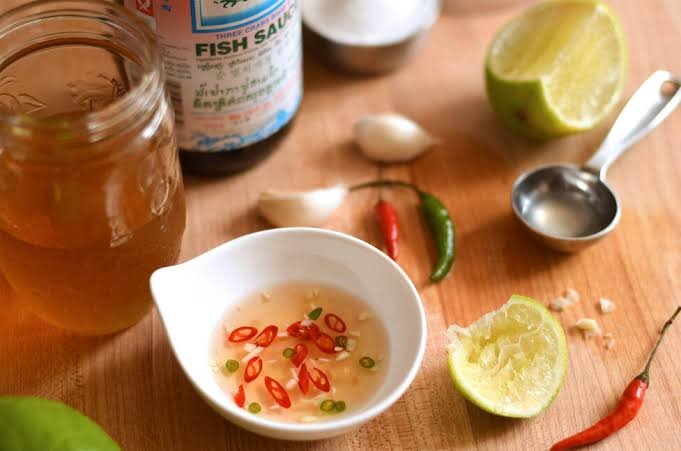
Nước mắm is a fermented fish sauce made from fish and salt. It is common in Vietnamese cooking, but not every dish, restaurant, or vegetarian kitchen uses it.
It may season broth, grilled-meat marinades, stir-fries, and dipping sauces such as nước chấm, and it may be served at the table. A dish with no visible fish can still contain fish sauce, but “usually” is not enough for a serious allergy—ask about this specific preparation.
For someone avoiding fish, the relevant question is not only whether the dish contains pieces of fish. Ask whether fish sauce, fish stock, dried fish, or fermented fish products are used anywhere in the recipe.
Shrimp paste: mắm tôm and mắm ruốc
Vietnam uses several varieties of fermented shrimp paste. Mắm tôm is a thick, pungent paste made from finely ground shrimp fermented with salt. Mắm ruốc is a similar product, slightly different in texture and regional variation. Both are used as condiments, dipping sauces, and cooking ingredients.
Mắm tôm and mắm ruốc may be used as condiments, dipping sauces, or cooking ingredients. They are associated with dishes such as bún đậu mắm tôm and some central-Vietnamese preparations, but recipes vary by region and vendor. Do not assume a dish contains or excludes shrimp paste from its name alone.
For someone with a shellfish allergy, ask about shrimp paste, dried shrimp, shrimp stock, and shared utensils. The paste may be served separately, mixed into a sauce, or used before the dish reaches the table.
Peanuts: lạc (miền Bắc) / đậu phộng (miền Nam)
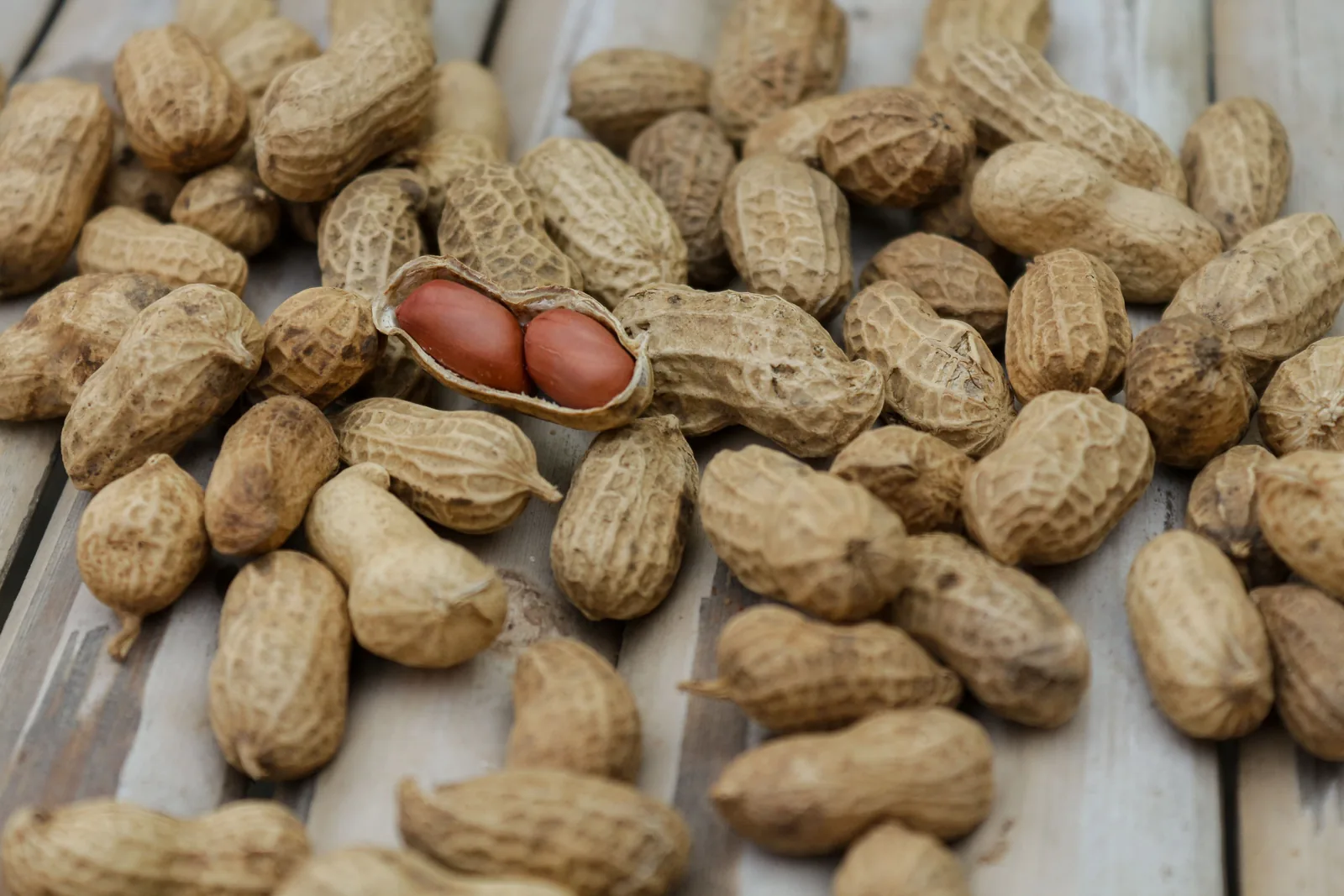
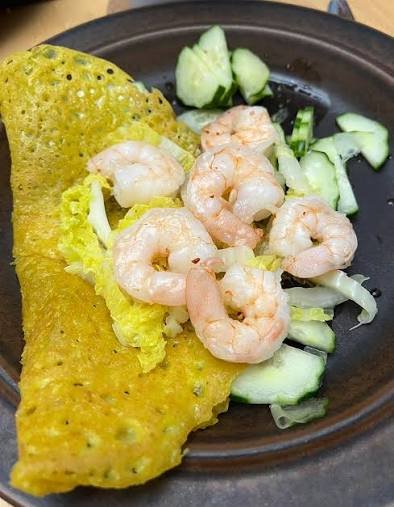
Peanuts are a recurring garnish and sauce ingredient, but not every Vietnamese dish contains them. Crushed or roasted peanuts may appear over bún dishes, in gỏi cuốn dipping sauces, in sauces for bánh xèo, or alongside rice and noodle dishes.
A visible garnish is easier to spot than a blended sauce. Peanut dipping sauces can look like other sauces, and the same serving spoon or preparation surface may be shared. Ask about the sauce and cross-contact, not just whether peanuts are sprinkled on top.
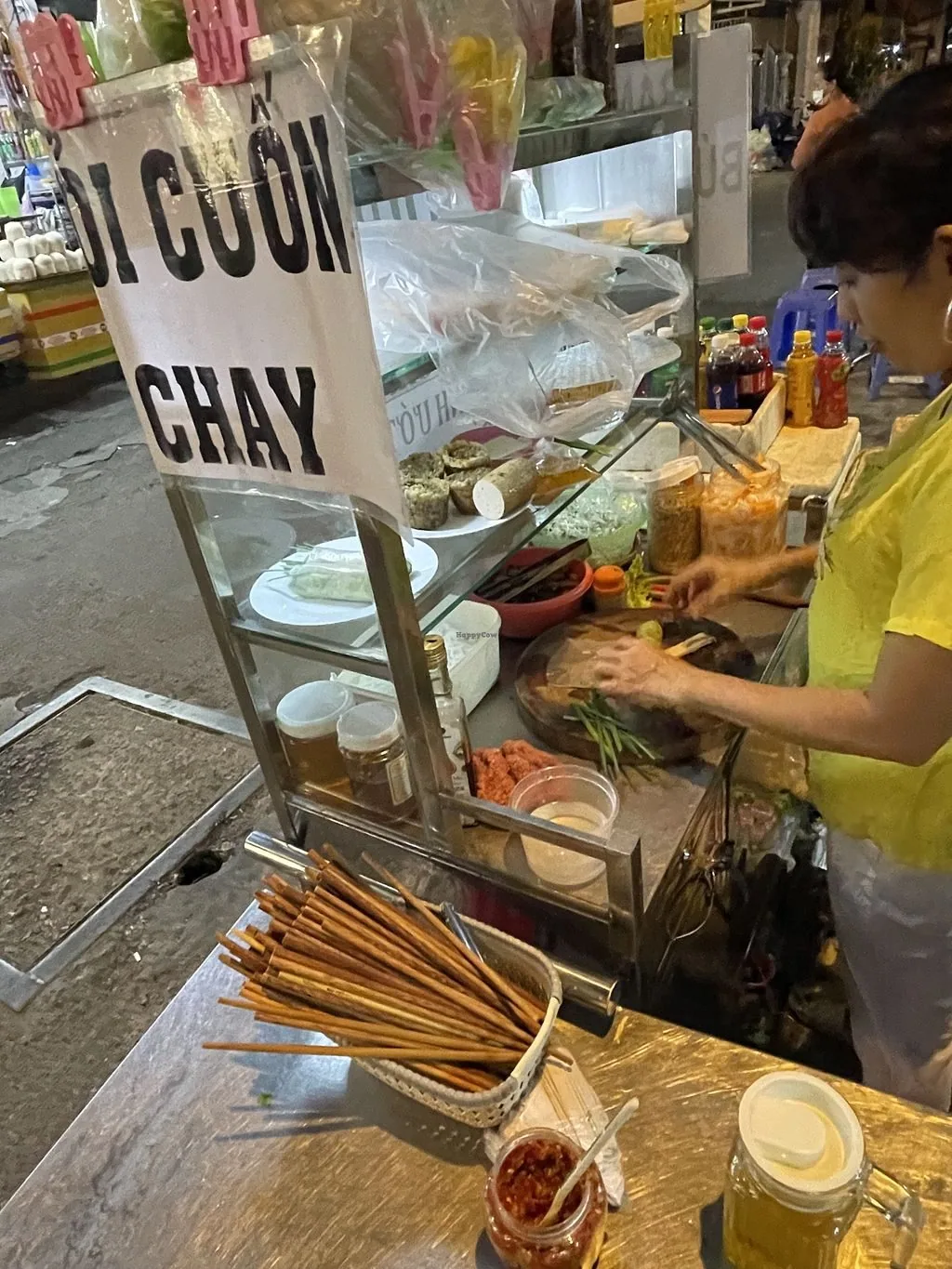
The cooking oil still needs checking, especially at a busy stall or fryer. Flag peanuts before every order and ask whether the oil, utensils, and sauce have contacted peanuts.
Your AllergyPass card covers all of these allergens with Vietnamese phrases included
Build My CardSoy sauce: nước tương / xì dầu
Soy sauce in Vietnam comes from two directions: Chinese-influenced cooking in urban restaurants and the condiment table in many establishments. It appears in marinades for grilled meats, in stir-fried dishes, and as a table condiment for dishes where fish sauce isn't used, or as an alternative offered to customers who avoid fish products.
For soy-allergic travelers, the main questions are about soy sauce, tofu, marinades, stir-fries, and dipping sauces. For wheat- or gluten-avoidant travelers, many conventional soy sauces also contain wheat, but brands and recipes vary. Ask about the bottle or sauce rather than assuming every soy sauce is identical.
Soy sauce can therefore be relevant to both soy and wheat avoidance. Name the specific ingredient you need to avoid, and ask about other sauces and flour-based ingredients as well.
Hidden wheat: gluten sources beyond bread
Vietnamese cuisine uses a lot of rice, but a rice-based dish is not automatically gluten-free. In pho, bún, cơm tấm, and bánh cuốn, check the noodles or wrapper, broth, sauces, fillings, utensils, and preparation surface.
The wheat risk is concentrated in three specific areas.
Soy sauce and hoisin: Many conventional versions contain wheat, but labels and recipes vary. Hoisin may be served alongside pho, used in marinades, or added to other sauces. Ask about the specific product or recipe.
Bánh mì bread: The baguette is made with wheat flour. Removing the bread does not automatically make the fillings suitable; pâté, marinades, sauces, and shared preparation surfaces still need checking.
Fried batters: Some fried dishes use wheat flour, breadcrumbs, or wheat noodles in the filling. Shared oil and utensils can also create cross-contact.
Sesame: mè / vừng
Sesame appears in some Vietnamese preparations as seeds, oil, or a dessert ingredient. It may be used as a garnish on noodle dishes, grilled meats, or sweets. Recipes vary, so ask about both the visible garnish and the oil or sauce.
A sesame allergy still requires explicit flagging. Ask whether sesame or sesame oil is used and whether the garnish spoon, board, or serving container is shared.
Cross-contact sources
Beyond ingredients, cross-contact can be difficult to control in busy Vietnamese food settings. Three situations deserve specific questions.
Shared dipping bowls: Condiment bottles, spoons, and dipping bowls may be shared at the table. Ask what is in the sauce and avoid shared containers if they may have contacted your allergen.
Single-wok stalls: One wok or grill may be used for several dishes. Ask whether the equipment and utensils are shared; removing a visible ingredient does not remove contact from earlier dishes.
Garnish handling: Peanuts, dried shrimp, and sesame may be added with a shared spoon or handled on the same board. Ask for a clean utensil and preparation area only if the vendor can actually provide one.
For a serious allergy, these conditions may make a dish unsuitable even when the recipe itself is free from the allergen. A restaurant with more space and advance notice may have more options, but it still needs to explain how it will prevent contact.
Dishes with hidden allergens
Restaurant communication tips
A few practical habits make the questions clearer when eating out in Vietnam with a food allergy.
Show a written card before ordering. A card in Vietnamese can preserve the specific ingredient names and cross-contact request. Show it before ordering and ask for it to be read by the person preparing the food. If the response is unclear, choose another dish or venue.
Be specific about condiments. Nước chấm, hoisin, soy sauce, and peanut sauces vary by recipe and may arrive automatically. Ask what each condiment contains and avoid shared bowls or bottles if they may have contacted your allergen.
Ask about this restaurant's version. Vietnamese cuisine varies by region and kitchen. Ask whether this specific dish uses your allergen, its derivatives, or shared equipment—not only whether the dish “usually” contains it.
Understand that "vegetarian" does not mean allergen-free. Vegetarian food may still use fish sauce, soy, peanuts, sesame, or shared equipment. Vegan or chay restaurants may avoid animal ingredients, but they still need to answer your specific allergy and cross-contact questions.
For a full guide to allergy cards and how to get one for Vietnam, see Do Food Allergy Translation Cards Actually Work? If you need medical planning for Vietnam, see Emergency Healthcare in Vietnam.
How AllergyPass helps
AllergyPass generates a Vietnamese-English allergy card listing your selected allergens and relevant ingredient forms. Show it to restaurant staff and ask for it to reach the person preparing the food.
The card can include derivative forms such as fish sauce, fermented fish products, shrimp paste, dried shrimp, and peanut-based sauces. Review the wording so it matches your actual allergy and the destination cuisine.
The card is a communication tool, not a safety guarantee. It reduces the risk of being misunderstood. It does not replace emergency medication or medical consultation about your specific allergy.
Sources and food-safety notes
- FAO/WHO Codex Alimentarius: General Standard for the Labelling of Prepackaged Foods (CXS 1-1985) — Section 4.2.1.4 lists the foods known to cause hypersensitivity that must always be declared: gluten-containing cereals, crustacea, eggs, fish, peanuts and soybeans, milk, tree nuts, and sulphite at 10 mg/kg or more. It governs prepackaged food, not a dish cooked to order at a stall.
Frequently asked questions
Does pho contain fish sauce?
Pho recipes vary. Fish sauce may be used in the broth, in a seasoning sauce, or at the table, while hoisin and soy-based condiments may contain other allergens. Ask how the broth and condiments were made instead of assuming the noodle soup is free from fish or wheat.
Is Vietnamese food safe for people with shellfish allergies?
Not without careful checking. Shrimp paste (mắm tôm or mắm ruốc), dried shrimp, and shrimp-based sauces appear in some Vietnamese dishes that do not look like seafood dishes. Bún bò Huế, bánh xèo, and dipping sauces vary by recipe. Show a Vietnamese card, ask about the dish and preparation, and leave if the answer is unclear.
Does Vietnamese food contain gluten?
Rice noodles and rice paper may be gluten-free as ingredients, but the finished dish still needs checking. Conventional soy sauce and some hoisin contain wheat, bánh mì contains wheat, and fried foods may use wheat flour or shared oil. Ask about sauces, broth, batter, utensils, and cross-contact rather than relying on the dish name.
Are peanuts common in Vietnamese food?
Peanuts appear in some bún dishes, bánh xèo, dipping sauces, and garnishes, but recipes vary. Ask about the garnish, sauce, marinade, oil, and shared utensils. Do not assume a fresh spring roll or noodle bowl includes—or excludes—peanuts without checking.
How do I say fish sauce allergy in Vietnamese?
The phrase to show in writing: Tôi dị ứng với nước mắm (I am allergic to fish sauce). For a full card covering your allergens in Vietnamese with the correct local ingredient names, AllergyPass's Vietnamese allergy card for travel generates it.
Is soy sauce in Vietnamese food wheat-based?
Many conventional soy sauces are brewed with wheat as well as soybeans, but brands and recipes vary. Ask about both soy sauce and flour-based ingredients if you avoid wheat or gluten, and do not assume a dark or light soy sauce is suitable without checking.
Key takeaways
- Fish sauce, fermented fish, and shrimp products can be hidden in broths, marinades, sauces, and condiments; recipes vary by dish and kitchen.
- Peanuts may appear as garnish or in sauces. Ask about the recipe, oil, utensils, and shared preparation.
- Many conventional soy sauces contain wheat, but labels and recipes vary. Check sauces if you avoid soy, wheat, or gluten.
- Rice noodles and rice paper do not certify the finished dish. Check broth, sauces, fillings, batter, and cross-contact.
- Vegetarian or “fresh” does not mean free from your allergen. Ask specific questions before ordering.
- Show a written Vietnamese card to the person preparing the food, and leave if the answer is unclear.